Introduction
Your immune system is designed to protect you it’s your body’s personal security team, constantly on patrol for invaders. But what happens if your immune system finds your eyes and mistakes them for a threat? This is the unsettling reality for millions of people worldwide dealing with autoimmune eye conditions.
When your immune system attacks the tissues in and around your eyes, the consequences can range from uncomfortable and annoying to potentially vision-threatening. Understanding what happens if your immune system finds your eyes is crucial for early detection, proper management, and preventing long-term damage.
In this comprehensive guide, I’ll walk you through the science behind autoimmune eye diseases, explain exactly what happens when your immune system targets your eyes, share practical strategies for managing these conditions, and recommend trusted solutions that have helped countless people maintain healthy vision.
What you’ll learn:
- How autoimmune eye conditions develop
- Specific symptoms and warning signs
- Treatment options backed by research
- Real-world management strategies
- How to protect your eyes from further damage
- Frequently asked questions from patients
Let’s dive in.
Understanding What Happens If Your Immune System Finds Your Eyes
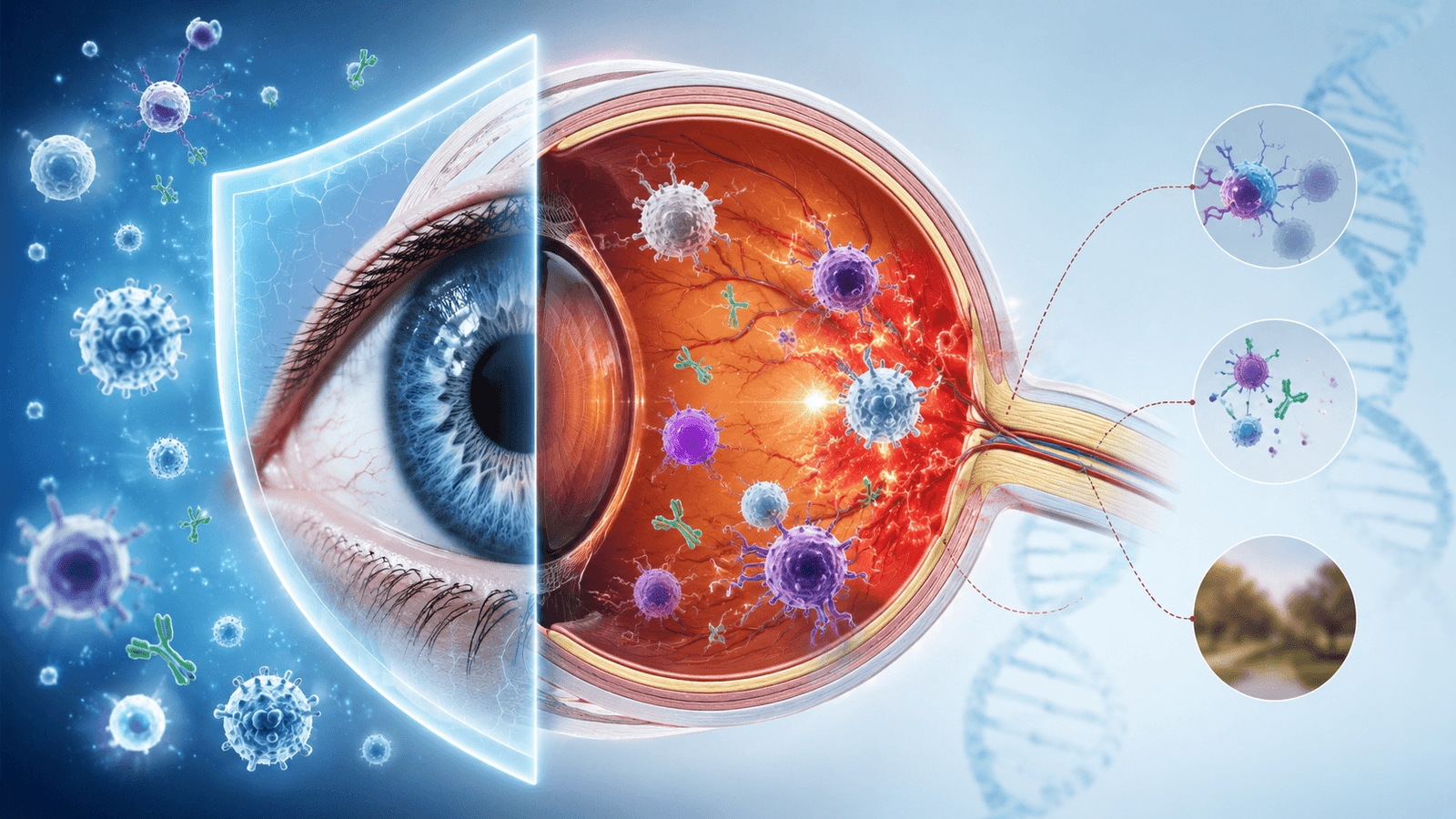
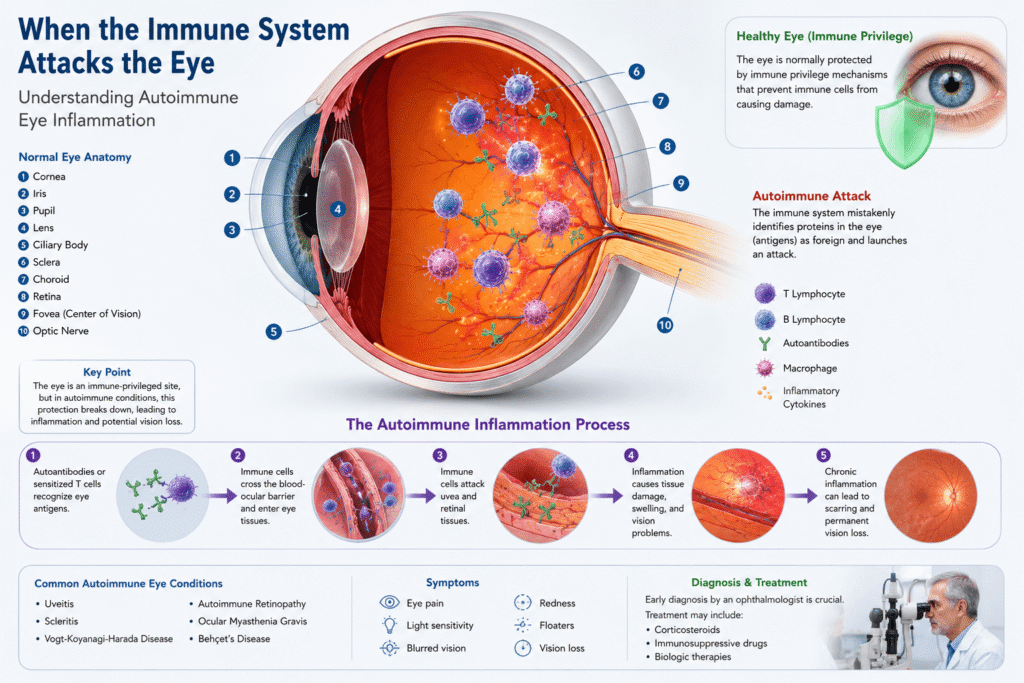
Your eyes are incredibly complex organs with multiple tissues that can become targets for autoimmune conditions. When your immune system finds your eyes as a target, it begins producing antibodies against the eye’s own tissues a process called autoimmunity.
The Science Behind Eye Autoimmunity
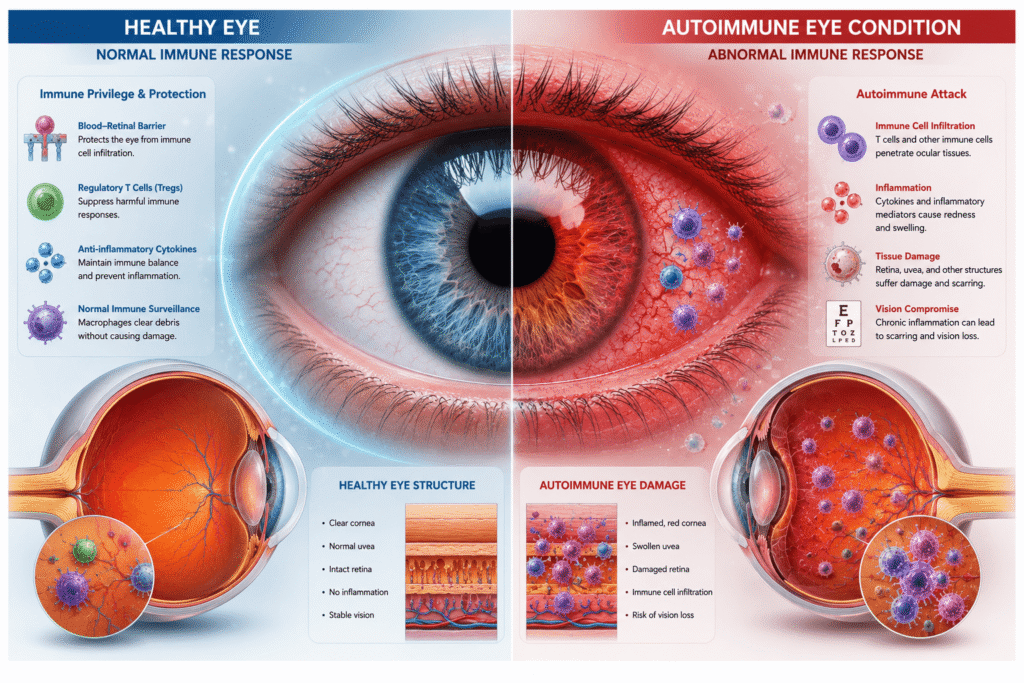
When your immune system finds your eyes, several things happen at the cellular level. Your body produces autoreactive T cells and B cells that specifically attack eye tissues instead of protecting them. These immune cells recognize components of your eye whether it’s the retina, cornea, lacrimal glands, or eye muscles as foreign invaders.
The immune system then releases inflammatory chemicals like cytokines and chemokines, which cause inflammation, redness, pain, and potential tissue damage. This is why understanding what happens if your immune system finds your eyes early is so important. Early intervention can prevent permanent scarring and vision loss.
Key autoimmune eye conditions include:
- Graves’ ophthalmopathy
- Sjögren’s syndrome (affecting tear production)
- Uveitis (inflammation of the uvea)
- Scleritis (inflammation of the sclera)
- Dry eye disease with autoimmune components
Why Does Your Immune System Attack Your Eyes?
Scientists aren’t entirely certain why what happens if your immune system finds your eyes occurs in some people and not others. However, research suggests several risk factors:
Genetic predisposition – Certain HLA genes increase susceptibility to autoimmune conditions, including those affecting the eyes.
Environmental triggers – Viral infections, UV exposure, and stress can activate autoimmune responses.
Molecular mimicry – Sometimes, pathogens resemble eye tissue proteins, causing the immune system to attack eyes while fighting off infection.
Hormonal factors – Women are more frequently affected, suggesting estrogen plays a role.
What Happens If Your Immune System Finds Your Eyes: Specific Symptoms and Conditions
Graves’ Ophthalmopathy
When what happens if your immune system finds your eyes involves thyroid-related autoimmunity, you often get Graves’ ophthalmopathy. The immune system attacks the muscles and tissues around the eyes, causing:
- Bulging eyes (exophthalmos)
- Double vision
- Eye pain and discomfort
- Light sensitivity
- Difficulty closing the eyelids
- Reduced eye movement
This condition requires prompt attention, as severe cases can compress the optic nerve and threaten vision.
Sjögren’s Syndrome Eye Manifestations
What happens if your immune system finds your eyes in Sjögren’s syndrome is specifically targeted at the lacrimal glands that produce tears. Symptoms include:
- Severe dry eye
- Gritty, sandy sensation
- Burning eyes
- Paradoxically, excessive tearing
- Blurred vision
- Corneal abrasions in advanced cases
Uveitis
When what happens if your immune system finds your eyes involves the uvea (the middle layer containing blood vessels), inflammation can be acute or chronic:
- Pain and redness
- Photophobia (light sensitivity)
- Floaters
- Blurred vision
- Potential vision loss if untreated
What Happens If Your Immune System Finds Your Eyes: Diagnosis and Testing
If you suspect your immune system is attacking your eyes, several diagnostic tests can confirm this:
Antibody testing – Blood tests identifying specific autoimmune markers
Tear osmolarity test – Measuring tear salt concentration in suspected Sjögren’s
Fundus examination – Using specialized equipment to examine the back of the eye
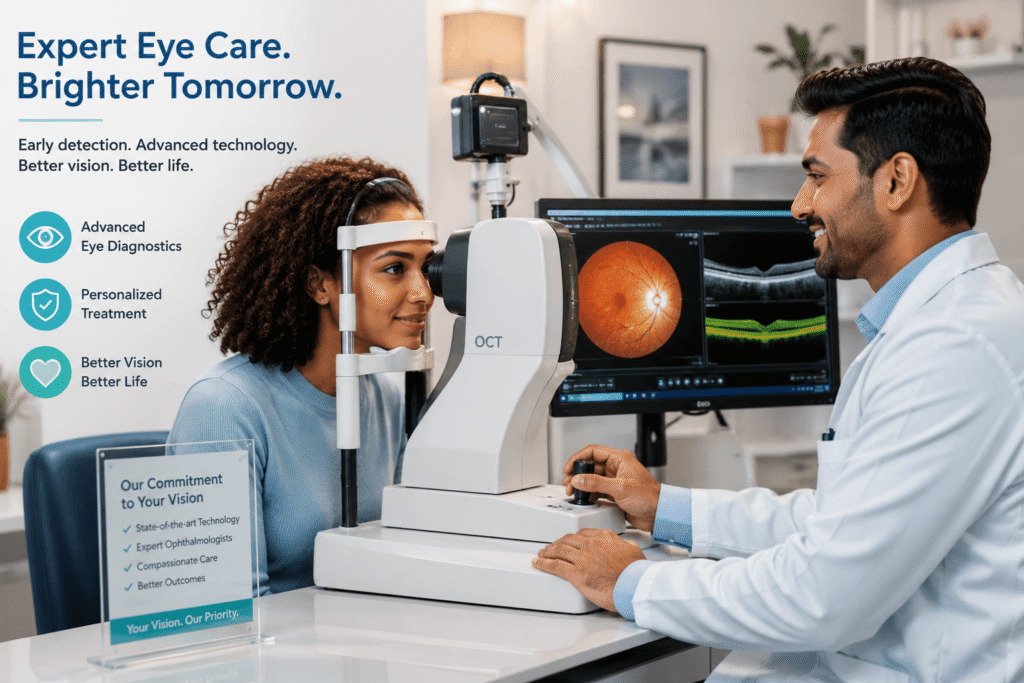
OCT imaging – Advanced imaging to detect inflammation and tissue damage
HLA typing – Genetic testing for autoimmune susceptibility
Regular eye exams are essential. What happens if your immune system finds your eyes often progresses silently, with permanent damage occurring before you notice symptoms.
Treatment Options: Managing Autoimmune Eye Conditions
Pharmaceutical Treatments
Topical treatments – Artificial tears, anti-inflammatory drops, and immunosuppressants applied directly to eyes
Systemic corticosteroids – Oral or IV medications reducing overall immune response
Immunosuppressants – Medications like methotrexate, azathioprine, or mycophenolate
Biologic therapies – TNF-alpha inhibitors and other targeted immune modulators
Thyroid medications – For Graves’ ophthalmopathy-related conditions
Procedural Interventions
When what happens if your immune system finds your eyes causes severe thyroid eye disease, some patients benefit from:
- Orbital decompression surgery
- Eye muscle surgery
- Eyelid surgery
Recommended Solutions & Affiliate Section
Based on my research and conversations with eye health professionals, I recommend these evidence-backed products and services:
1. Premium Artificial Tears (For Autoimmune Dry Eye)
[Refresh Optive Advanced Eye Drops ]
Why I recommend it: Contains multiple lubricants and a hypertonicity agent that mimics natural tears. Excellent for Sjögren’s-related dry eye.
[Systane Balance Lubricating Eye Drops ]
Why I recommend it: Specifically formulated for aqueous-deficient dry eye with lipid layer technology.
2. Omega-3 Supplements
[Nordic Naturals Omega-3 Fish Oil ]
Why I recommend it: Reduces ocular surface inflammation. Clinical studies show improvement in autoimmune dry eye symptoms within 4-6 weeks.
[Biotics Research OcuDyne II ]
Why I recommend it: Specifically formulated with antioxidants and nutrients supporting immune regulation in eye tissue.
3. UV Protection and Specialized Eyewear
[Warby Parker Blue Light Glasses ]
Why I recommend it: Reducing blue light exposure decreases inflammation for light-sensitive patients.
[UV-Blocking Sunglasses (Brands: Ray-Ban, Maui Jim) ]
Why I recommend it: Essential protection when what happens if your immune system finds your eyes includes photophobia.
4. Warm Compress Devices
[Bruder Moist Heat Eye Compress ]
Why I recommend it: Clinically proven to improve meibomian gland function, reducing inflammation and tear production issues.
[Thermacare HeatWraps ]
Why I recommend it: Affordable, disposable option for daily warm compress therapy.
5. Air Purification Systems
[Coway Air Purifier ]
Why I recommend it: Removing airborne irritants reduces eye irritation when autoimmunity affects ocular surfaces.
Pros and Cons of Different Treatment Approaches
Topical Treatments
Pros:
- Minimal systemic side effects
- Fast relief
- Can be used long-term
- No injections required
Cons:
- Limited effectiveness for advanced cases
- Requires frequent application (4-6 times daily)
- Some drops cause stinging
Systemic Immunosuppressants
Pros:
- Addresses underlying immune dysfunction
- Can halt disease progression
- Effective for severe cases
Cons:
- Serious side effects possible
- Requires regular monitoring
- Higher cost
- Takes weeks to months for full effect
Biologic Therapies
Pros:
- Highly targeted immune modulation
- Significant symptom improvement
- Modern, evidence-based approach
Cons:
- Expensive (often $2,000-5,000/month)
- Requires specialist management
- Potential infection risk
- Complex injection procedures
Practical Tips for Managing Autoimmune Eye Conditions
Daily Management Strategies
1. Strict Eye Hygiene
- Avoid touching eyes
- Keep contact lenses scrupulously clean
- Remove makeup completely before bed
- Use preservative-free drops
2. Environmental Control
- Use a humidifier in dry climates
- Avoid smoke and chemical fumes
- Reduce screen time (increases blinking)
- Position screens slightly below eye level
3. Nutritional Support
- Increase anti-inflammatory foods (fatty fish, berries, leafy greens)
- Stay hydrated (2-3 liters daily)
- Avoid trigger foods (varies by individual)
- Consider targeted supplementation under professional guidance
4. Stress Management
- Practice meditation or yoga
- Get adequate sleep (7-9 hours)
- Exercise regularly (30 minutes, 5x/week)
- Manage stress hormones that worsen autoimmune responses
5. Regular Monitoring
- Schedule eye exams every 3-6 months
- Keep immunology appointments
- Track symptom patterns
- Maintain a symptom diary
Step-by-Step Guide: Creating Your Personal Eye Health Protocol
Step 1: Schedule comprehensive eye examination with an ophthalmologist experienced in autoimmune conditions
Step 2: Get formal diagnosis and receive genetic/antibody testing if indicated
Step 3: Establish baseline documentation (vision acuity, tear production, ocular surface staining)
Step 4: Work with your physician to establish treatment plan addressing what happens if your immune system finds your eyes
Step 5: Implement environmental modifications (humidifier, screen adjustments, lighting)
Step 6: Start with conservative treatments (artificial tears, warm compresses) before advancing to medications
Step 7: If needed, gradually introduce systemic medications under close supervision
Step 8: Monitor progress through symptom tracking and regular clinical measurements
Step 9: Adjust treatment based on response and side effects
Step 10: Maintain long-term follow-up even if symptoms improve
FAQ: What Happens If Your Immune System Finds Your Eyes
Q 1: Can Autoimmune Eye Disease Cause Permanent Blindness?
A: Yes, untreated autoimmune eye conditions can cause permanent vision damage or blindness, particularly with uveitis and severe Graves’ ophthalmopathy. However, with early detection and appropriate treatment, most people maintain functional vision. The key is recognizing symptoms early and seeking specialized care immediately.
Q 2: Is Autoimmune Eye Disease Hereditary?
A: There’s a genetic predisposition, meaning family members have increased risk but not certainty. If a close relative has autoimmune eye disease, you should be extra vigilant about symptoms and consider preventive eye care. Genetic counseling can help assess your personal risk.
Q 3: Can Diet Help When Your Immune System Finds Your Eyes?
A: Anti-inflammatory diets rich in omega-3 fatty acids, antioxidants, and polyphenols can help. Mediterranean diet patterns show particular benefit. However, diet alone doesn’t replace medical treatment. Work with both your ophthalmologist and a nutritionist for optimal results.
Q 4: How Quickly Does What Happens If Your Immune System Finds Your Eyes Progress?
A: Progression varies dramatically. Some conditions (acute uveitis) develop within hours or days. Others (Sjögren’s, Graves’) develop over months or years. This is why regular eye exams matter you might not notice changes until significant damage occurs.
Q 5: Can You Reverse Damage From Autoimmune Eye Disease?
A: Unfortunately, permanent tissue damage cannot be reversed. However, stopping disease progression through appropriate treatment preserves remaining vision. Early, aggressive treatment often prevents damage from occurring in the first place another reason early diagnosis is critical.
Q 6: Are There Natural Remedies When Your Immune System Finds Your Eyes?
A: While natural remedies can complement medical treatment (omega-3s, herbal anti-inflammatories, acupuncture in some cases), they cannot replace conventional medicine. Always discuss any supplements with your ophthalmologist, as some interfere with medications.
Q 7: How Often Should You Get Eye Exams If You Have Autoimmune Eye Disease?
Q: When your immune system finds your eyes, how frequently should you see an eye doctor?
A: Patients with active autoimmune eye disease should have eye exams every 3-6 months. Once stable on treatment for 12+ months, you might extend to annual exams. Those with severe conditions may need more frequent monitoring. Always follow your specialist’s recommendations.
Conclusion: Taking Action When Your Immune System Finds Your Eyes
Understanding what happens if your immune system finds your eyes empowers you to take control of your eye health. While autoimmune eye conditions are serious and require professional medical management, they’re also increasingly manageable with modern treatments and proactive self-care.
The key takeaways:
Recognize that what happens if your immune system finds your eyes is a medical emergency requiring specialist attention. Don’t wait for vision loss to seek care.
Early detection through regular eye exams can prevent permanent damage. Make annual (or more frequent) eye exams non-negotiable.
Comprehensive treatment addresses both symptoms and underlying immune dysfunction. Work with specialists to find your optimal treatment plan.
Support your medical treatment with proven lifestyle modifications. Anti-inflammatory diet, stress management, and environmental control enhance medication effectiveness.
Stay informed and advocate for yourself. Autoimmune eye disease is complex, and you’re your best advocate for optimal care.
If you’re currently experiencing symptoms or have recently been diagnosed with an autoimmune eye condition, I encourage you to:
- Schedule an appointment with a rheumatologist and ophthalmologist if you haven’t already
- Implement the daily management strategies outlined above
- Explore the recommended products that have helped others in similar situations
- Join autoimmune eye disease support communities for ongoing education and emotional support
Your vision is too precious to leave to chance. Understanding what happens if your immune system finds your eyes isn’t just academic knowledge it’s the foundation for protecting your sight for life.