Introduction
Your body is basically a sophisticated delivery network. Right now, as you read this, your circulatory system is racing through your veins at breakneck speed, carrying oxygen, nutrients, and something equally important: immune warriors. But here’s the thing most people don’t realize how deeply how the immune system interacts with the circulatory system shapes everything from fighting a cold to recovering from a workout.
Understanding how the immune system interacts with the circulatory system isn’t just trivia for biology class. It’s the difference between getting sick three times a year and staying relatively healthy. It’s why some people bounce back from illness faster. It’s why inflammation matters more than you think.
In this guide, I’m breaking down the exact mechanics of how immune cells travel through your bloodstream, where they congregate, and how your body uses circulation to mount a defense against invaders. By the end, you’ll understand not just what happens, but why it matters for your health and what you can do to optimize both systems.
How the Immune System Interacts With the Circulatory System: The Basics
Let’s start with a reality check: your immune system can’t function without your circulatory system, and vice versa. They’re not separate departments they’re deeply interwoven partners.
Here’s the fundamental truth about how the immune system interacts with the circulatory system: The moment a pathogen enters your body, your immune cells need to get to the infected site fast. They can’t walk there. They can’t take a shortcut through tissue. They need your blood vessels to act as highways, delivering white blood cells precisely where they’re needed.
The circulatory system does the heavy lifting: it delivers immune cells to trouble spots. The immune system, in turn, signals the circulatory system when and where to send reinforcements. It’s a call-and-response mechanism that happens thousands of times per day usually without you noticing.
The Role of White Blood Cells in Circulation
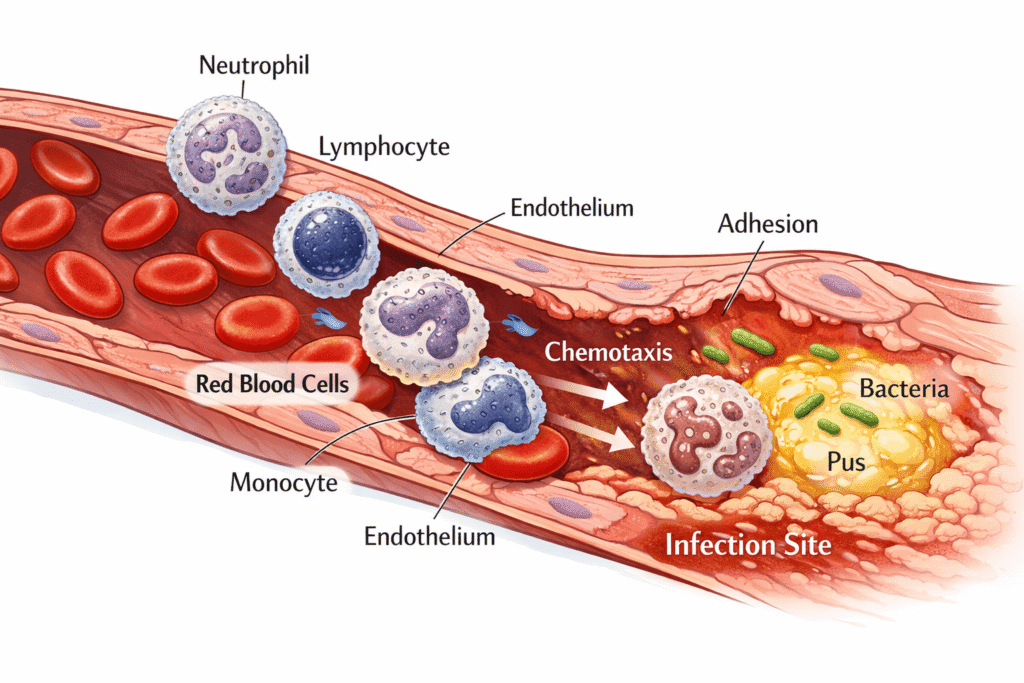
White blood cells are your body’s security team, and the circulatory system is their patrol car. Let me explain how the immune system interacts with the circulatory system through white blood cell movement.
Types of White Blood Cells and Their Circulatory Routes:
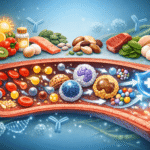
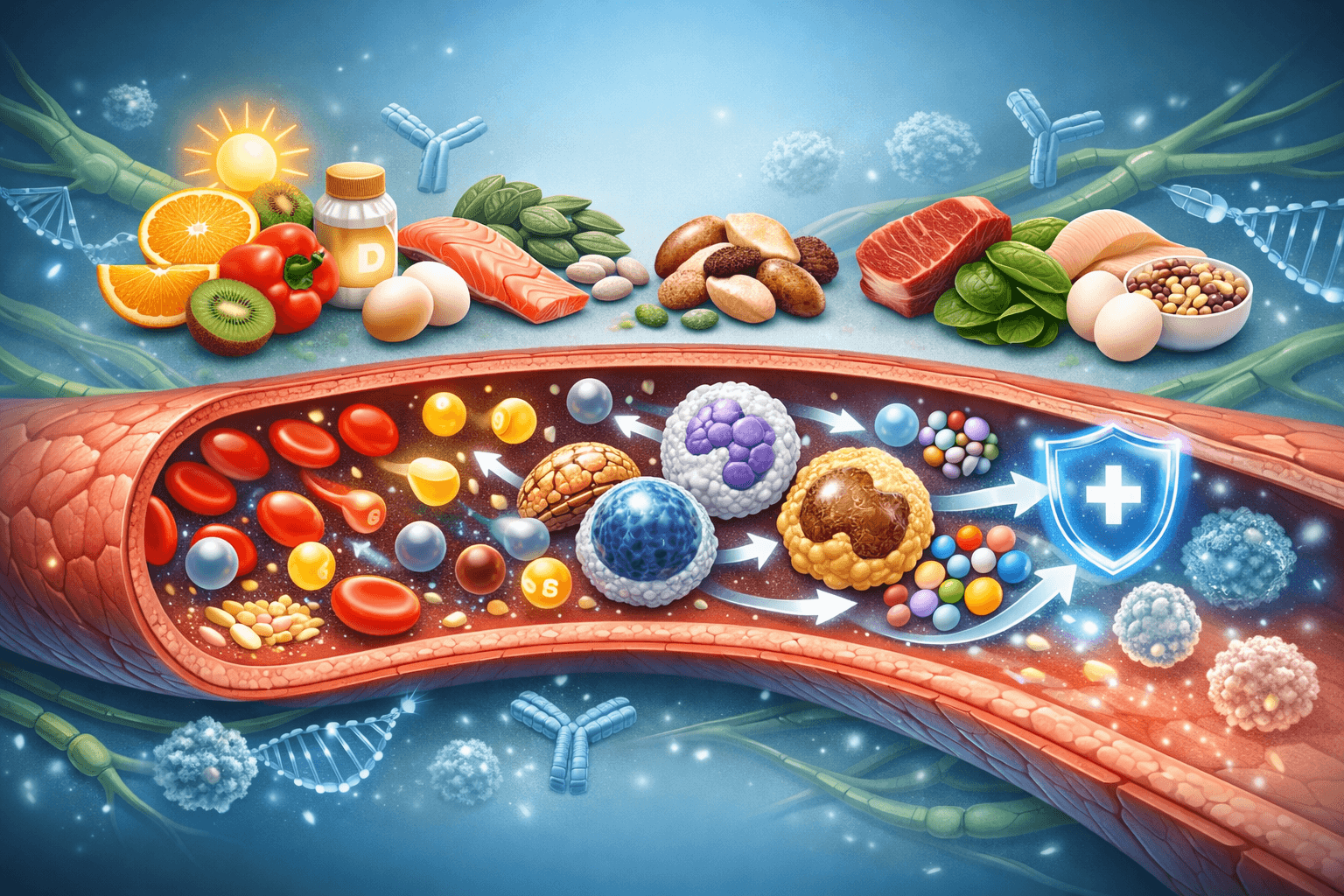
White blood cells spend most of their time traveling through blood vessels. They originate in bone marrow (the spongy tissue inside your bones) and get dispatched into the bloodstream, where they’re carried to every organ, tissue, and potentially infected area.
The major players include:
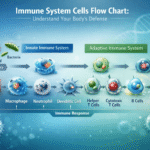
- Neutrophils – The first responders. They arrive at infection sites within minutes and are short-lived (hours to days). Your circulatory system transports billions of them daily.
- Lymphocytes – Specialized soldiers that remember past invaders and mount targeted responses. They spend significant time in lymph nodes, which connect directly to your circulatory system.
- Macrophages – The cleanup crew. They circulate, identify foreign invaders, and trigger immune responses throughout your body via bloodstream signaling.
- Dendritic cells – Information gatherers that travel through blood and lymphatic vessels, constantly sampling what’s happening in your body.
How the immune system interacts with the circulatory system here is elegant: these cells don’t just randomly float through blood. They have specific markers on their surface that blood vessel linings recognize. When a tissue signals “infection here,” vessel walls express adhesion molecules that immune cells lock onto like a train platform where cells know to get off.
The Lymphatic System: The Circulatory System’s Hidden Partner
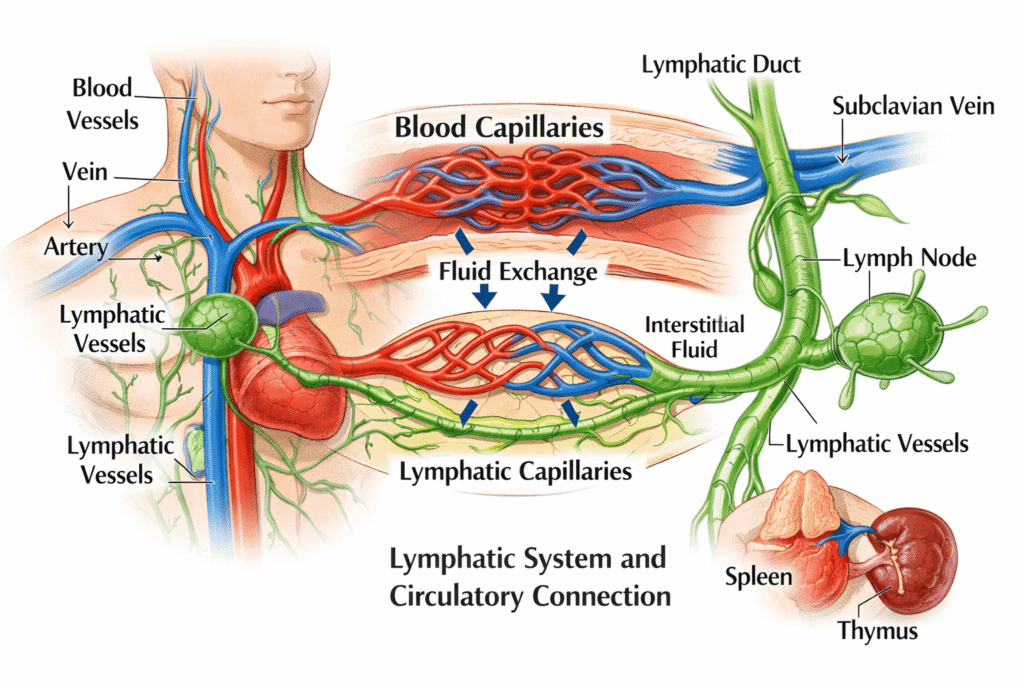
Here’s something most people overlook: how the immune system interacts with the circulatory system involves a third player—the lymphatic system. It’s basically a parallel circulatory network that only handles immune surveillance and drainage.
Lymph is the fluid that leaks out of blood capillaries into tissues. Your body produces about 2-3 liters of lymph daily. But it doesn’t return directly to the heart via blood vessels. Instead, lymph travels through lymphatic vessels, passing through lymph nodes—specialized filtering stations where immune cells mount responses against pathogens.
Here’s why this matters for understanding how the immune system interacts with the circulatory system:
Your lymph nodes are intelligence hubs. When dendritic cells (which travel both blood and lymph) pick up signs of infection, they report to lymph nodes. There, B cells and T cells activate, multiply, and prepare a counterattack. Then they re-enter the bloodstream through lymphatic ducts that connect back to major veins.
This is how the immune system interacts with the circulatory system on a tactical level: lymph nodes use the bloodstream as their distribution network. Activated immune cells exit the bloodstream, dock at tissues, investigate threats, then return to circulate again.
Cytokines: How Immune Cells Communicate Via Blood
Understanding how the immune system interacts with the circulatory system requires understanding chemical messengers called cytokines.
Cytokines are signaling molecules essentially texts that immune cells send each other through the bloodstream. When a macrophage detects an invader, it doesn’t just alert nearby cells. It releases cytokines into the blood, which spread throughout your body, telling other immune cells: “We have a problem. Here’s what we’re dealing with. Come help.”
This is where how the immune system interacts with the circulatory system becomes dynamic and responsive. The blood serves as a communication medium. Cytokines like interleukins and tumor necrosis factor (TNF) trigger systemic responses: fever, inflammation, increased immune cell production.
Your bone marrow responds to these signals by manufacturing more white blood cells. Blood vessel walls increase permeability, allowing more immune cells to exit into tissues. Metabolic pathways shift to fuel the immune response.
Crucially: How the immune system interacts with the circulatory system through cytokine signaling is why local infections sometimes trigger whole-body responses. A single infected tooth can raise your temperature and make you feel exhausted because immune signaling molecules travel everywhere your blood travels.
Inflammation and Vascular Response
When infection occurs, how the immune system interacts with the circulatory system becomes visibly obvious: inflammation.
That redness, swelling, and warmth you see around a wound? That’s the circulatory system responding to immune signals. Here’s the cascade:
- Damage detected – Immune cells sense pathogens or tissue damage
- Cytokine release – Immune cells flood the area with signaling molecules
- Vascular dilation – Blood vessels expand, increasing blood flow to the site
- Increased permeability – Vessel walls become leakier, allowing more immune cells to exit the bloodstream into tissue
- Recruitment – The combination of increased blood flow and chemical signals draws massive numbers of immune cells to the problem area
This is how the immune system interacts with the circulatory system dynamically. Blood vessel function directly determines immune response effectiveness. If your vessels don’t dilate properly, immune cells can’t reach infected tissue efficiently. If blood flow is compromised (from poor cardiovascular health), immunity suffers.
Nutrient Delivery and Immune Function
Here’s something rarely discussed: how the immune system interacts with the circulatory system depends heavily on what’s in the blood.
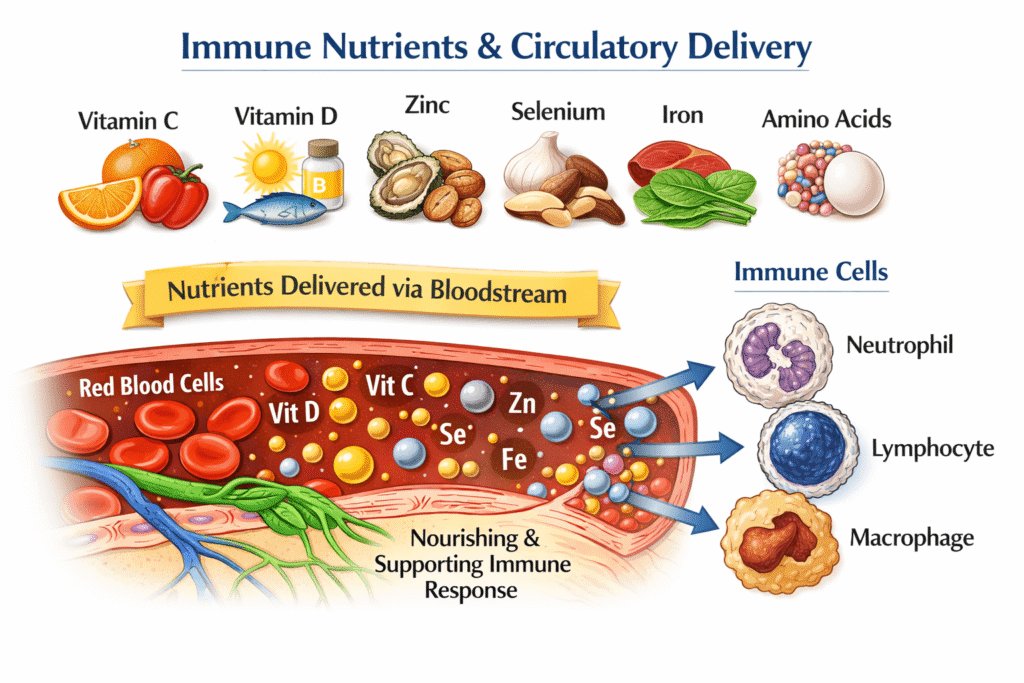
Your immune cells are metabolically expensive. They’re constantly patrolling, fighting, dividing, and dying. They need:
- Glucose – Fuel for white blood cells, especially during immune responses
- Amino acids – Building blocks for antibodies and immune proteins
- Vitamins – Particularly C, D, and A, which are essential for immune function
- Minerals – Zinc, selenium, and iron are critical for immune cell activation and function
- Oxygen – Required for immune cell metabolism
How the immune system interacts with the circulatory system is fundamentally about delivery. If your diet is deficient, if your digestive system isn’t absorbing nutrients well, if your circulatory system isn’t reaching cells efficiently—immune function declines.
This is why cardiovascular fitness matters for immunity. Better circulation means more oxygen to white blood cells, faster nutrient delivery to lymph nodes, more efficient removal of waste products. Conversely, poor circulation (from sedentary lifestyle, hypertension, or chronic disease) dampens immune response.
How Blood Clotting Relates to Immune Function
There’s an overlooked connection here: how the immune system interacts with the circulatory system includes blood clotting.
Your platelets aren’t just for preventing bleeding. They release chemicals that recruit immune cells. When you cut yourself, platelets not only form a clot they release factors that call white blood cells to the scene, preventing infection before it starts.
This bidirectional relationship means that immune activation actually affects clotting. During strong immune responses, your body increases clotting factors. This is partly protective (prevents pathogens from spreading via blood) but explains why severe infections sometimes trigger inappropriate clotting a dangerous complication.
Understanding how the immune system interacts with the circulatory system here matters: certain conditions that affect blood clotting (like antiphospholipid syndrome) have immune components. Conversely, immune overactivation can trigger clotting disorders.
Spleen and Bone Marrow: The Immune-Circulatory Factory
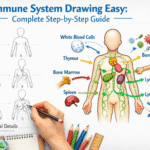
The spleen sits beside your stomach and serves as a blood-filtering station and immune cell production hub. The bone marrow manufactures most white blood cells. Both organs are deeply integrated with circulation—they are, essentially, where the relationship between immune and circulatory systems originates.
The spleen:
- Filters blood, removing pathogens and damaged cells
- Stores platelets and red blood cells
- Houses B cells and T cells that react to blood-borne pathogens
- Produces antibodies and activates immune responses
- Clears senescent (aged) blood cells efficiently
The bone marrow:
- Manufactures white blood cells continuously (billions per day)
- Responds to cytokine signals by ramping up production during infection
- Maintains immune cell reserves
How the immune system interacts with the circulatory system at this level is foundational: these organs don’t just passively sit there. They’re actively monitoring blood, updating immune cell designs based on circulating signals, and releasing newly trained immune cells into circulation constantly.
When you’re stressed or sleep-deprived, these organs slow their production. When you’re fighting infection, they shift into overdrive. This is why rest and sleep are so important for immunity your bone marrow works better when you’re rested.
Common Barriers to Healthy Immune-Circulatory Interaction
Several factors disrupt how the immune system interacts with the circulatory system:
1. Chronic Inflammation Persistent low-level immune activation keeps blood vessels inflamed, damaging them over time. This increases risk of atherosclerosis, hypertension, and paradoxically, impaired immune response to actual threats.
2. Poor Cardiovascular Fitness Sedentary lifestyle reduces oxygen delivery to immune cells, impairs nutrient transport, and increases systemic inflammation.
3. Nutritional Deficiencies Without vitamin D, zinc, iron, or vitamin C, white blood cells can’t function properly, and the circulatory system can’t deliver what’s needed.
4. Chronic Stress Stress hormones suppress immune function and increase inflammation disrupting how the immune system interacts with the circulatory system.
5. Sleep Deprivation During sleep, bone marrow steps up immune cell production. Without adequate sleep, immune cell numbers and quality decline.
6. Poor Gut Health About 70% of immune cells live in gut-associated tissue. If your gut barrier is compromised, systemic inflammation increases and immune cells are diverted to manage intestinal issues rather than systemic threats.
Practical Tips to Optimize Immune-Circulatory Health
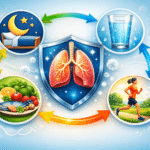
Here’s how you can enhance how the immune system interacts with the circulatory system:
1. Prioritize Cardiovascular Exercise
- Aerobic activity increases heart stroke volume, improving circulation efficiency
- Exercise reduces chronic inflammation and supports white blood cell function
- Aim for 150 minutes of moderate activity weekly
2. Manage Stress
- Meditation, yoga, and breathing exercises lower cortisol, reducing immune suppression
- Social connection strengthens immunity—isolation impairs it
3. Optimize Sleep
- Aim for 7-9 hours nightly
- Sleep is when bone marrow ramps up immune cell production
- Poor sleep correlates with increased susceptibility to infection
4. Maintain Proper Hydration
- Blood is 55% plasma (water)
- Dehydration impairs nutrient transport and immune cell circulation
- Aim for half your body weight in ounces of water daily
5. Support Gut Health
- Fermented foods and fiber feed beneficial bacteria
- Strong gut barrier reduces systemic inflammation
- Consider probiotics if you have GI issues
6. Get Sunlight Exposure
- Stimulates vitamin D production, essential for immunity
- Light exposure regulates circadian rhythms, improving immune function
- Aim for 15-30 minutes daily without sunscreen
7. Manage Dietary Choices
- Avoid excessive processed foods (they increase inflammation)
- Include nutrient-dense whole foods
- Emphasize antioxidants (berries, leafy greens, nuts)
Pros and Cons of Understanding Immune-Circulatory Health
Pros:
✅ Better health decisions – You know why exercise, sleep, and nutrition matter
✅ Illness prevention – Understanding the relationship helps you avoid behaviors that compromise immunity
✅ Faster recovery – You can support both systems during illness
✅ Reduced medication needs – Lifestyle optimization might reduce reliance on pharmaceuticals
✅ Longevity – Strong immunity and circulation reduce chronic disease risk
Cons:
❌ Information overload – Immune and circulatory science is complex; misinformation is common
❌ Requires sustained effort – Optimizing these systems demands lifestyle changes, not just supplements
❌ Individual variation – What works for one person might not work identically for another
❌ Takes time – Benefits from lifestyle changes might take weeks or months to manifest
❌ Genetic limitations – Some people have genetic factors affecting immune response despite optimal lifestyle
Recommended Products & Resources
Disclosure: The following contain affiliate links. I recommend these based on research and personal use.
1:Vitamin D3 Supplement How the immune system interacts with the circulatory system is significantly influenced by vitamin D. D3 activates immune cells and modulates inflammation. Look for 2,000-4,000 IU daily formulations.
2: Omega-3 Fatty Acids These reduce inflammatory cytokines and support blood vessel function. Fish oil or algae-based omega-3s (1,000-2,000mg daily) directly improve how the immune system interacts with the circulatory system by reducing chronic inflammation.
3: Comprehensive Mineral Complex Zinc, selenium, magnesium, and iron are critical for white blood cell function. A quality mineral supplement ensures these nutrients are available for immune response.
4: Heart Rate Variability Monitor Understanding your parasympathetic tone helps optimize stress response, which directly impacts how the immune system interacts with the circulatory system. Devices like Oura Ring track this.
5: Sleep Optimization Tool Sleep tracking via smartwatch helps ensure you’re getting adequate rest critical for bone marrow immune cell production.
FAQ: How Does the Immune System Interact With the Circulatory System?
Q1: Can you have strong immunity but weak circulation?
Partially. However, weak circulation impairs immune cell delivery and nutrient transport, so immunity becomes limited. Think of it this way: having strong soldiers (immune cells) doesn’t matter if you can’t transport them to the battlefield (tissues). How the immune system interacts with the circulatory system means both must be functional.
Q2: Why do infections sometimes cause fever if the body is trying to heal?
Fever is actually beneficial. How the immune system interacts with the circulatory system includes triggering fever through cytokine signaling. Heat slows pathogen replication, speeds up white blood cell reactions, and makes your body less hospitable to viruses. Don’t immediately suppress fever unless it’s dangerously high.
Q3: Does exercise immediately boost immunity?
Moderate exercise does, but excessive intense exercise without recovery can suppress immunity temporarily. How the immune system interacts with the circulatory system during exercise is complex—you need the right balance of stress and recovery.
Q4: How long does it take for lifestyle changes to improve immunity?
Generally 3-6 months for noticeable changes in infection frequency. How the immune system interacts with the circulatory system responds to consistent patterns, not one-off actions. Small daily habits compound over time.
Q5: Can poor circulation cause immune problems?
Yes. Chronic diseases that impair circulation (diabetes, hypertension, atherosclerosis) also impair immune function. How the immune system interacts with the circulatory system means circulatory health is foundational for immunity.
Q6: Why do people get sick more in winter?
Multiple factors: less sunlight (reduced vitamin D production), time spent indoors (more pathogen exposure), cold air (possibly impairs mucosal immunity). How the immune system interacts with the circulatory system is also affected by temperature changes, which can alter inflammation levels.
Q7: Can you strengthen immunity if you have a circulatory condition like high blood pressure?
Absolutely. Managing hypertension improves immune function. Medications that control blood pressure often reduce inflammation. How the immune system interacts with the circulatory system means treating one system supports the other.
Conclusion: Optimizing Your Immune-Circulatory Partnership
Understanding how the immune system interacts with the circulatory system isn’t just academic it’s practical wisdom that changes how you approach health.
Your immunity isn’t a separate entity from your cardiovascular system. They’re partners in a constant dialogue. White blood cells rely on your blood vessels as highways. Your vessels respond to immune signals. Both systems depend on proper nutrition, adequate sleep, stress management, and movement.
When you optimize how the immune system interacts with the circulatory system through lifestyle choices, you’re not just preventing colds. You’re reducing risk of chronic disease, accelerating recovery from illness, and building resilience that lasts decades.
Start today with one action: Add 15 minutes of brisk walking (cardiovascular exercise), prioritize one extra hour of sleep tonight, or add one antioxidant-rich meal to your day. Small consistent actions compound into profound improvements in how the immune system interacts with the circulatory system.
Your body has an incredible capacity to heal and defend itself when you give it what it needs.