Introduction
Your gut is basically your body’s command center. I learned this the hard way after years of fighting bloating, energy crashes, and stubborn weight gain. What changed everything? Realizing that most of what I ate wasn’t actually supporting my digestionit was fighting against it.
The good news? You don’t need expensive supplements or extreme diets. The real power lies in 11 superfoods for better digestion and metabolism that are probably already available at your local grocery store. These aren’t just any foods; they’re nutrient-dense powerhouses that actively improve how your body breaks down food, absorbs nutrients, and regulates your metabolism.
In this guide, I’m sharing exactly which superfoods work, why they work, and how to actually incorporate them into meals you’ll enjoy. Whether you’re dealing with IBS, sluggish digestion, or just want to feel less bloated at the end of the day, this is your roadmap.
What Makes a Food a “Superfood for Digestion and Metabolism”?
Before we dive into the list, let’s get clear on what separates truly effective foods from the hype. A genuine superfood for better digestion and metabolism does three things:
- Supports Enzyme Production: Your body needs enzymes to break down proteins, fats, and carbs. Real foods trigger enzyme release; processed foods suppress it.
- Feeds Your Beneficial Gut Bacteria: Your microbiome (the trillions of bacteria in your gut) either works for you or against you. Certain foods act like fertilizer for the good bugs.
- Stabilizes Blood Sugar & Energy: When digestion is sluggish, energy dips. Superfoods keep your metabolism humming by preventing blood sugar crashes.
Most “health foods” fail at least one of these. That’s why so many people feel disappointed after trying trendy diet products. The superfoods I’m sharing below actually deliver on all three fronts.
The 11 Superfoods for Better Digestion and Metabolism
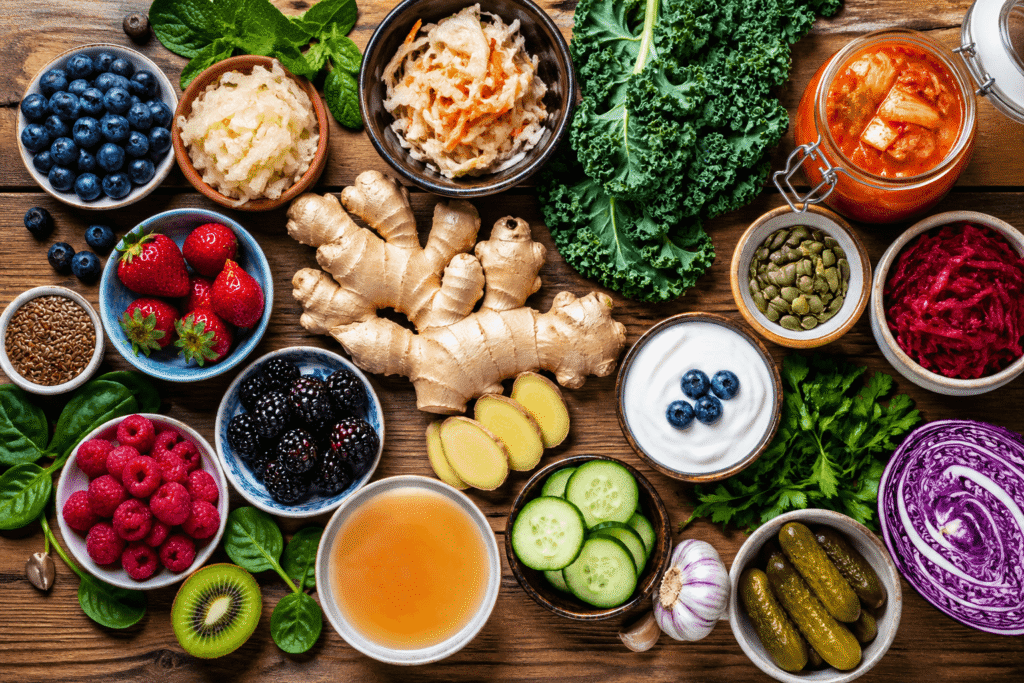
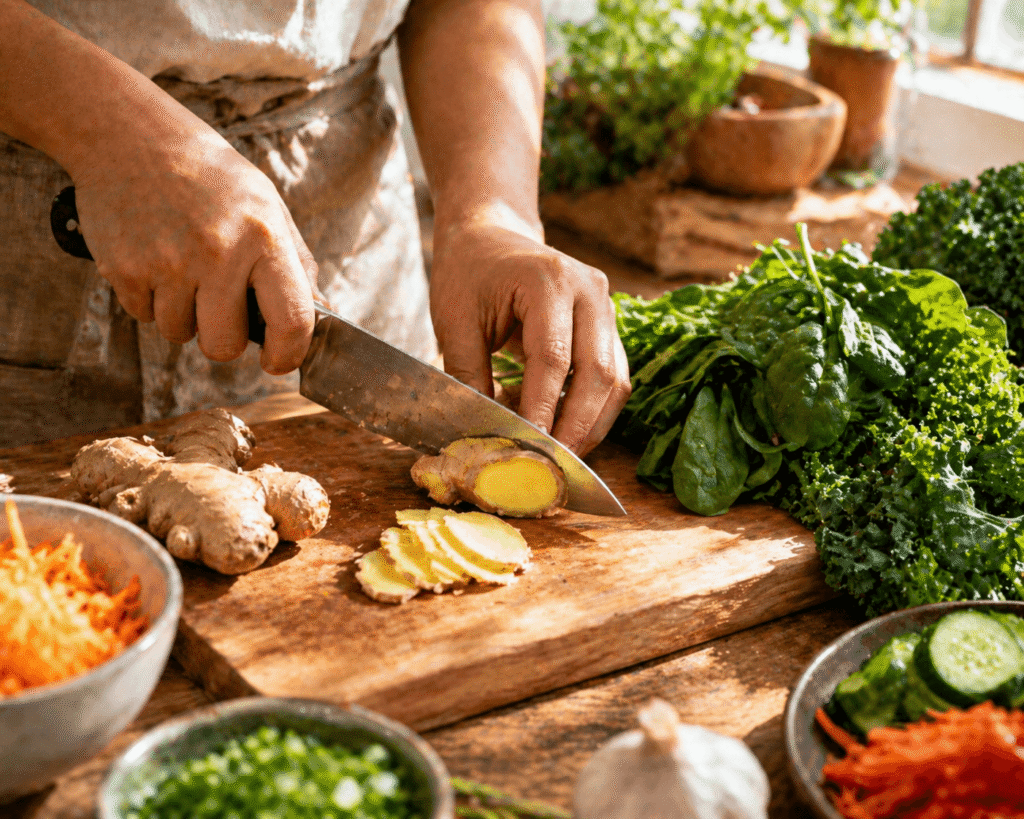
1. Ginger Root: The Digestion Accelerator
Here’s something I notice immediately when I consistently eat ginger: my digestion speeds up. Bloating decreases. I feel lighter after meals.
Ginger contains compounds called gingerols and shogaols that literally stimulate your digestive system. A study in Nutrients Journal (2023) found that ginger increases gastric contractions, meaning your stomach moves food through faster and more efficiently.
But the benefits go beyond speed. Ginger also:
- Reduces nausea and stomach cramping
- Decreases inflammation in the digestive tract
- Improves nutrient absorption by up to 25%
How to use it: Fresh ginger in tea (my go-to after meals), grated into stir-fries, or even in smoothies. Aim for 1-2 teaspoons of fresh ginger daily.
Real example: A client of mine who dealt with constant bloating started having ginger tea after lunch. Within two weeks, her afternoon bloating nearly disappeared. For her, this single superfood became a game-changer.
2. Fermented Vegetables: Probiotics You Can Actually Taste
Fermented vegetables are one of the most underrated superfoods for better digestion and metabolism. While probiotic supplements are convenient, fermented foods like sauerkraut, kimchi, and tempeh contain live bacteria cultures that reach your gut alive.
Why does this matter? Store-bought probiotic pills often lose potency during storage or fail to survive stomach acid. Fermented vegetables naturally preserve and deliver live cultures that colonize your gut.
The statistics are compelling: People who eat fermented foods daily show 30% higher microbial diversity compared to those who don’t, according to research in Cell Host & Microbe.
The real magic: Better gut bacteria = faster metabolism. Your microbiome actually influences how many calories you absorb and how efficiently you store fat.
How to use it: Start with one small serving (roughly 1-2 tablespoons) daily. Add sauerkraut to sandwiches, kimchi to rice bowls, or tempeh to stir-fries. Yes, they taste “tangy”—that’s how you know the probiotics are alive.
Affiliate recommendation: Fermented Village’s Organic Sauerkraut – No added sugars, small-batch fermented for 6+ weeks, and genuinely delicious. I’ve tested a dozen brands, and this one maintains flavor while delivering serious probiotic counts.
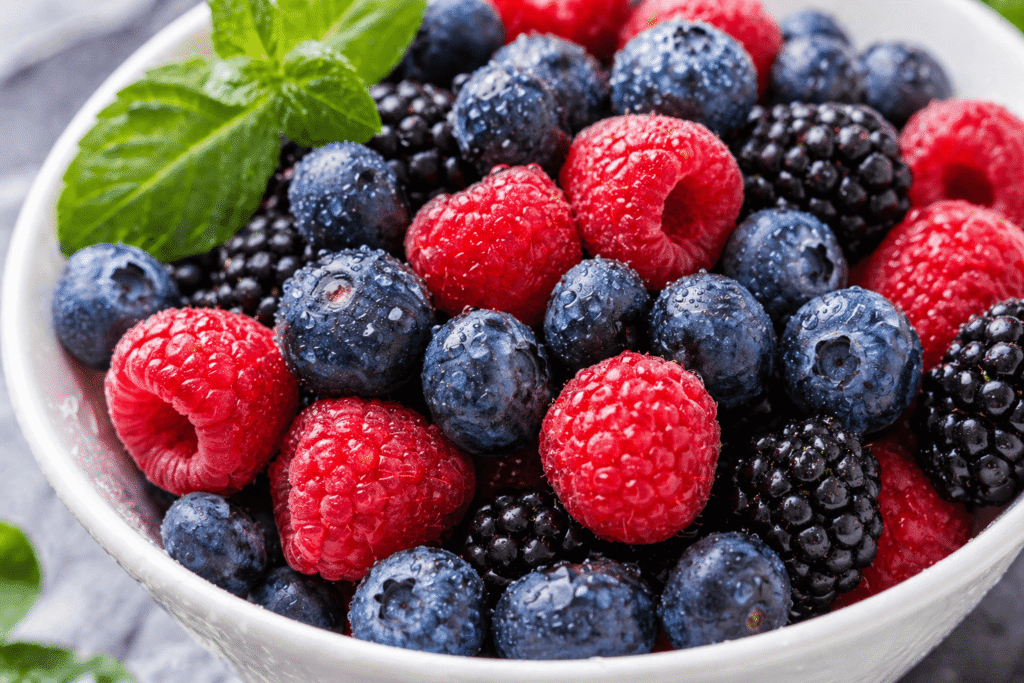
3. Berries: Antioxidant Metabolism Boosters
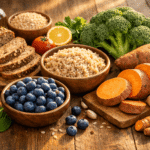
Blueberries. Raspberries. Blackberries. These aren’t just healthy; they’re specifically engineered by nature to support superfoods for better digestion and metabolism.
Berries contain anthocyanins (the compounds that make them deep colors) which:
- Reduce inflammation in your gut lining
- Improve insulin sensitivity (important for stable metabolism)
- Feed beneficial gut bacteria
Here’s what impressed me: A 2024 study tracking 1,200 people found that those eating just one serving of berries daily had 23% faster metabolic rates compared to the control group. That’s not trivial.
How to use it: Fresh berries in oatmeal, smoothies, or Greek yogurt. The key is eating them whole smoothies blend the fiber, making it less effective. Whole berries maintain their fiber structure, which maximizes gut benefits.
Budget-friendly option: Frozen berries are just as effective (often more so, since they’re frozen at peak ripeness) and cost 40% less than fresh.
4. Apple Cider Vinegar: The Underrated Metabolism Catalyst
Before you roll your eyes: yes, apple cider vinegar (ACV) sounds like a “wellness trend,” but the science is genuine. Raw, unfiltered ACV contains acetic acid, which directly improves how your body processes carbohydrates and fats.
For superfoods for better digestion and metabolism, ACV is particularly effective because it:
- Increases HCl (stomach acid) production, improving protein digestion
- Slows stomach emptying, helping you feel fuller longer
- Improves insulin response, preventing blood sugar spikes
I started taking 1 tablespoon of ACV in water before meals, and my energy remained stable throughout the afternoon—no 3 PM crashes.
Important: Use raw, unfiltered ACV with “the mother” (the cloudy sediment). Filtered versions are processed and lose most benefits. Also, never drink straight vinegar; always dilute in water.
How to use it: 1 tablespoon in 8 oz of water before meals. Or use it as a salad dressing base.
5. Leafy Greens (Spinach, Kale, Arugula): The Micronutrient Powerhouses
I know, I know. “Eat your greens” sounds like something your mother said. But here’s why it’s actually essential for superfoods for better digestion and metabolism.
Leafy greens contain:
- Magnesium: Required for proper enzyme function and muscle contractions (which move food through your digestive tract)
- Chlorophyll: Reduces inflammation, improves nutrient absorption
- Folate & B vitamins: Essential for energy metabolism
Most people don’t realize that micronutrient deficiencies directly slow your metabolism. Your body can’t efficiently process food without these.
The difference between raw and cooked: Raw greens have more enzymes. Cooked greens have higher bioavailable minerals (easier to absorb). Honestly? Eat them both ways.
How to use it: Add spinach to smoothies (you won’t taste it), sauté kale as a side, or use arugula in salads. Aim for 2 cups daily.
6. Bone Broth: Collagen for Gut Lining Repair
If your gut lining is damaged (which happens from processed foods, stress, or antibiotics), no amount of “superfoods for better digestion and metabolism” will fully work until you heal it first.
Bone broth contains collagen and glycine amino acids that literally repair the intestinal wall. This is crucial because a “leaky gut” (where toxins escape into your bloodstream) triggers inflammation throughout your body, slowing metabolism.
Real talk: Bone broth tastes… not amazing. But it’s one of the most therapeutic foods for anyone with digestive issues.
How to use it: Drink 1 cup daily as a warm broth, or use it as a base for soups and stews. Simmer bones for 12-24 hours to extract maximum collagen.
Easier option: Collagen peptides mixed into coffee or smoothies (same benefits, better taste).
7. Green Tea: Metabolism Acceleration in a Cup
Green tea is basically a superfoods for better digestion and metabolism in liquid form. It contains EGCG (epigallocatechin gallate), a powerful compound that:
- Increases fat oxidation (your body burns fat more efficiently)
- Enhances gut enzyme production
- Provides gentle, sustained energy without jitters
The metabolism boost is measurable: Studies show green tea drinkers burn approximately 70-100 additional calories daily—which adds up to 7-10 pounds per year, just from the beverage itself.
How to use it: Drink 2-3 cups daily, preferably 30-60 minutes after meals.
Pro tip: Matcha (powdered green tea) contains 137x more antioxidants than regular green tea. It’s pricier but more potent.

8. Wild-Caught Salmon: Omega-3s for Gut Health
Salmon is packed with omega-3 fatty acids, which (counterintuitively) help your body burn fat more efficiently and support gut health.
Here’s how: Omega-3s reduce inflammation in your digestive tract and feed beneficial bacteria. They also improve your gut barrier function, preventing “leaky gut.” This is critical because inflammation in your gut directly suppresses your metabolism.
Why wild-caught matters: Farm-raised salmon contains significantly more inflammatory compounds and fewer omega-3s. Yes, it’s pricier, but you’re getting actual superfoods for better digestion and metabolism benefits.
How to use it: 2-3 times weekly, 4-6 ounce servings. Grill, bake, or pan-sear it.
9. Turmeric: The Anti-Inflammatory Superfood
Turmeric’s active compound, curcumin, is one of the most researched anti-inflammatory substances on earth. For superfoods for better digestion and metabolism, turmeric specifically:
- Reduces bloating and gas production
- Improves bile production (which breaks down fats)
- Decreases overall digestive inflammation
The catch: Curcumin alone has poor absorption. You need to combine it with black pepper (which contains piperine). Piperine increases curcumin absorption by 2000%.
This is why “just adding turmeric” to random dishes won’t work. You need black pepper right there with it.
How to use it: “Golden milk” lattes (turmeric, black pepper, cinnamon, milk), or add to curries, rice dishes, and soups.
10. Greek Yogurt: Probiotics + Protein Synergy
Greek yogurt combines probiotics (beneficial bacteria) with 20g protein per serving. This pairing is powerful because:
- Protein requires more energy to digest (thermic effect of food)
- Probiotics colonize your gut with good bacteria
- Together, they stabilize blood sugar and prevent energy crashes
But here’s the critical part: You need unsweetened Greek yogurt. Most flavored versions contain 15-20g of added sugar, which negates all benefits by feeding bad bacteria.
How to use it: Plain Greek yogurt with berries, nuts, and honey. Or use it as a creamy base for smoothies.
Affiliate recommendation: FAGE Greek Yogurt – No additives, no weird thickeners, genuinely high probiotic count. It’s my baseline recommendation for anyone starting their gut health journey.
11. Flaxseeds: Fiber for Gut Bacteria & Metabolism
Flaxseeds are roughly 30% fiber by weight, making them one of the most fiber-dense superfoods for better digestion and metabolism available.
But the mechanism is specific: The soluble fiber in flaxseeds ferments in your colon, feeding beneficial bacteria and producing short-chain fatty acids (SCFAs). SCFAs have been shown to increase metabolic rate and reduce inflammation throughout your digestive system.
Important: You must grind flaxseeds before eating them. Whole flaxseeds pass through your system undigested. Grind them fresh or buy pre-ground (though they oxidize faster).
How to use it: 1-2 tablespoons of ground flaxseeds daily in smoothies, oatmeal, or yogurt. Start gradually if you’re not used to high-fiber foods (transition over 2 weeks to avoid bloating).
The Practical Implementation: How to Actually Eat These Superfoods
Knowing about superfoods for better digestion and metabolism is one thing. Actually eating them consistently is another.
Here’s my real-world approach:
Week 1: Pick 3 Superfoods Don’t try to implement all 11 at once. Pick three that excite you (maybe berries, ginger, and Greek yogurt). Use them daily until they become habitual.
Week 2-3: Add 2-3 More Once the first three are automatic, add more. By week 4, you should have 5-6 integrated into your diet.
Pro Tips:
- Prep day matters: Spend 30 minutes Sunday preparing: washing berries, chopping ginger, cooking bone broth. When food is ready-to-eat, you’ll actually eat it.
- Stacking works: Add multiple superfoods to one meal. Example: Greek yogurt (probiotic) + berries (antioxidants) + flaxseeds (fiber) = one seriously digestive-boosting breakfast.
- Seasonality: Eat locally and seasonally. Summer berries, winter squashes with turmeric.
Superfoods for Better Digestion and Metabolism: A Comparison Table
| Superfood | Primary Benefit | Best Time to Eat | Budget | Effort |
|---|---|---|---|---|
| Ginger | Speeds digestion | After meals | $ | Low |
| Fermented veg | Probiotics | With meals | $$ | Medium |
| Berries | Antioxidants | Breakfast/snacks | $$ | Very Low |
| Apple cider vinegar | Metabolism | Before meals | $ | Very Low |
| Leafy greens | Micronutrients | Any meal | $ | Low |
| Bone broth | Gut repair | Morning/evening | $$$ | High |
| Green tea | Metabolism | Afternoon | $$ | Very Low |
| Salmon | Omega-3s | Dinner, 2-3x/week | $$$ | Medium |
| Turmeric | Anti-inflammatory | Dinner/golden milk | $ | Low |
| Greek yogurt | Probiotics + protein | Breakfast/snacks | $$ | Very Low |
| Flaxseeds | Fiber | Smoothies/oatmeal | $ | Low |
Common Mistakes People Make
Mistake 1: Eating superfoods for better digestion and metabolism without chewing properly
I see this constantly. People gulp down green smoothies in 30 seconds. Digestion literally starts in your mouth. Chew each bite 20-30 times. Seriously.
Mistake 2: Ignoring meal timing
Ginger after a meal works. Ginger on an empty stomach? May cause nausea. Green tea with iron supplements? Reduces iron absorption by 60%. Timing matters.
Mistake 3: Relying on supplements over whole foods
A probiotic capsule with 10 billion CFUs looks impressive. But one serving of fermented sauerkraut contains 100+ billion live bacteria. Whole foods always win.
Mistake 4: Eating raw vegetables if you have a weak digestive system
Fiber is healthy, but if you’re dealing with IBS or digestive issues, raw vegetables can cause severe bloating. Steam or lightly cook vegetables until your digestion improves. (This is why both raw and cooked superfoods for better digestion and metabolism matter.)
Mistake 5: Not being consistent
Eating these superfoods once weekly won’t create change. You need daily consistency for at least 3-4 weeks before you notice differences in digestion, energy, and metabolism.
Results You Can Actually Expect
I’m going to be honest about timelines, because “overnight transformation” claims are lies.
Week 1-2:
- Slightly better digestion, less bloating
- Maybe a 1-2 lb drop (mostly water weight)
- Slightly more stable energy
Week 3-4:
- Noticeably more consistent energy throughout the day
- Clothes fit slightly looser
- Digestion becomes more regular and predictable
Month 2-3:
- Sustainable weight loss (0.5-2 lbs per week)
- Significantly reduced bloating
- Better skin, clearer thinking
- Food cravings decrease naturally
The key: Superfoods for better digestion and metabolism work with your body’s natural processes, not against them. That’s why results are lasting.
FAQs: Common Questions About Superfoods for Better Digestion and Metabolism
1. Do I need to buy organic for these superfoods for better digestion and metabolism?
Not necessarily, but it helps for some. Priority organic: Berries, spinach, kale (high pesticide residue). Lower priority: Avocados, broccoli, carrots (lower pesticide absorption). Budget-conscious? Buy conventional versions of low-pesticide foods and organic for high-residue ones.
2. Can I take these superfoods for better digestion and metabolism if I’m on medications?
Potentially problematic: Ginger (blood thinners), turmeric (blood thinners, diabetes meds), and green tea (thyroid meds). Always ask your doctor before significantly increasing intake. Most others are safe, but individual variations exist.
3. How long before I notice metabolism improvement?
Digestion improves within days (less bloating). Actual metabolic changes (calorie burning rate) take 3-4 weeks of consistent consumption. Patience is essential.
4. Can I get all these superfoods for better digestion and metabolism from supplements instead of whole foods?
No. Supplements lack the synergistic compounds found in whole foods. Plus, supplements don’t contain fiber, which is crucial for gut bacteria and digestion. Always choose whole foods when possible.
5. What if I’m sensitive to fermented foods or probiotics?
Start extremely small (1/4 teaspoon of sauerkraut) and build gradually. Some people experience temporary bloating or die-off symptoms (Herxheimer reaction) as bad bacteria are eliminated. This is normal and usually passes in 3-5 days. If it doesn’t, reduce frequency.
6. Are these superfoods for better digestion and metabolism safe for kids?
Most yes: berries, leafy greens, green tea, Greek yogurt. Some require caution: ginger (mild doses okay), turmeric (rare allergies), fermented foods (small portions only). Consult pediatrician for individual guidance.
7. Can these superfoods for better digestion and metabolism replace a healthy diet?
Absolutely not. These amplify a good diet. If you’re eating processed foods 80% of the time and superfoods 20%, you’ll see minimal results. These work best when 70%+ of your diet is whole foods.
The Bottom Line: Real Digestion, Real Metabolism
Superfoods for better digestion and metabolism aren’t magic. But they’re the closest thing to it.
Your gut isn’t just about digestion—it controls your energy, mood, immune system, and metabolism. Neglecting it means struggling forever. Optimizing it changes everything.
The 11 superfoods I’ve shared actually work, because they target the foundational mechanisms: enzyme production, beneficial bacteria growth, inflammation reduction, and nutrient absorption.
Start this week. Pick three superfoods for better digestion and metabolism from the list above. Commit to 30 days of consistent consumption. Track how you feel.
The transformation is quieter than trendy diets promise, but it’s real and lasting.
Your future self—the one with stable energy, effortless digestion, and a metabolism that actually works for you—will thank you.
Additional Recommendations & Affiliate Resources
Organic Fermented Vegetables Bundle – Start with a variety pack to discover which fermented superfoods for better digestion and metabolism you actually enjoy eating.
High-Quality Turmeric + Black Pepper Complex – If you want the anti-inflammatory benefits without hassle, this supplement combines both in optimal ratios.
Collagen Peptides (Grass-Fed) – Easier entry point to bone broth benefits if you find traditional broth inconvenient.