Introduction
You know that moment it’s the first week of December, temperatures have dropped, everyone around you is sneezing, and you’re just waiting for your throat to start scratching. Winter does something sneaky to your immune system, and if you’re not proactive, you’ll spend half the season feeling run-down.
Here’s the thing: winter immune system support isn’t just about popping a vitamin C tablet and hoping for the best. It’s a whole-body strategy sleep, nutrition, movement, stress, and yes, the right supplements. I’ve spent years researching this topic (and honestly, testing stuff on myself every single winter), and in this guide, I’m going to walk you through everything that actually works.
Whether you’re a busy parent, a remote worker whose immune system has gotten lazy, or someone who just wants to get through winter without catching every bug going around this article is for you.
Why Winter Hits Your Immune System So Hard
Before we dive into solutions, let’s talk about why winter immune system support even needs to be a thing. Why do we get sick more in cold weather?
It’s not just the cold air itself though that does dry out your nasal passages, making it easier for viruses to sneak in. The bigger culprits are:
- Less sunlight → lower Vitamin D levels → weakened immune response
- More time indoors → closer contact with other people + recycled air
- Holiday stress → elevated cortisol suppresses immune function
- Poor sleep → your body produces fewer cytokines (proteins that fight infection)
- Processed holiday food → sugar spikes that temporarily blunt immune cells
Understanding the why makes it so much easier to tackle winter immune system support from multiple angles rather than relying on one magic pill.
The Foundation of Winter Immune System Support — Nutrition First
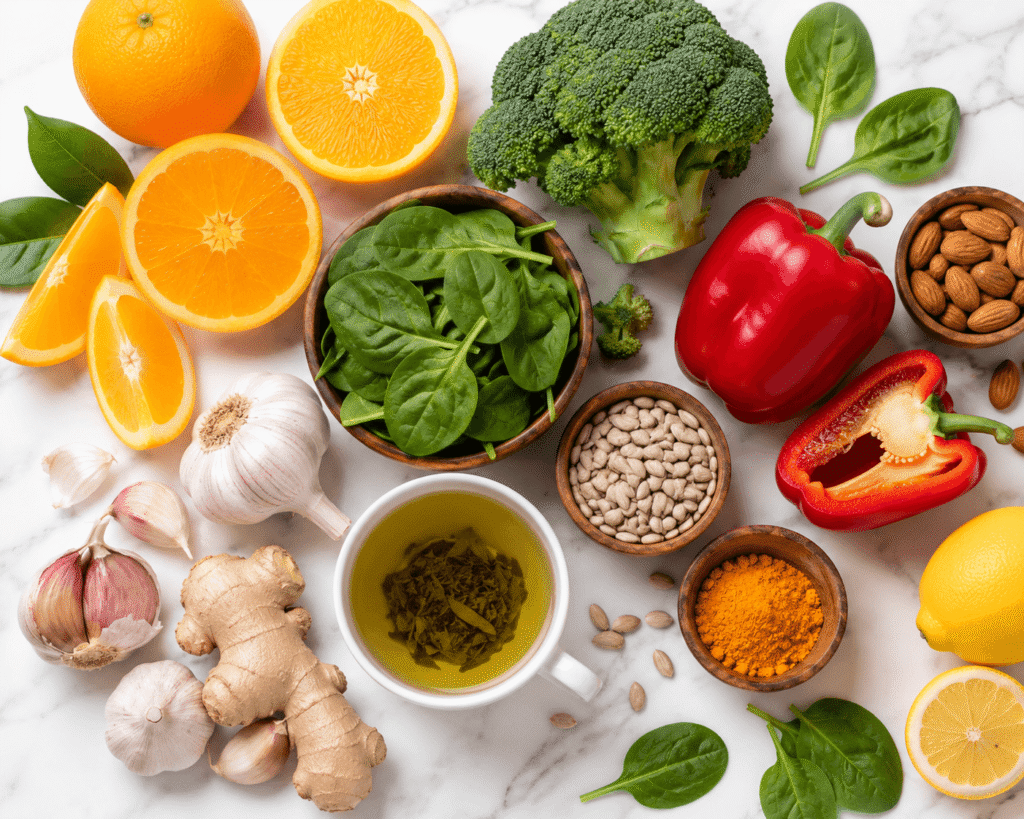
No supplement in the world can compensate for a diet that’s basically beige. If you’re eating fast food four days a week in January, your immune system is already working with one hand tied behind its back.
Foods That Supercharge Your Immune Defenses
When it comes to winter immune system support, these are the foods I come back to every single year:
Citrus fruits Yes, the classic advice. Oranges, grapefruits, lemons, and limes are loaded with Vitamin C, which helps stimulate the production of white blood cells. The key is consistency, not just eating an orange when you already feel sick.
Garlic — Raw garlic contains allicin, a compound with potent antimicrobial properties. I add it to soups, stir-fries, and salad dressings constantly from October through March. It’s not glamorous, but it works.
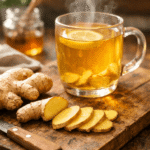
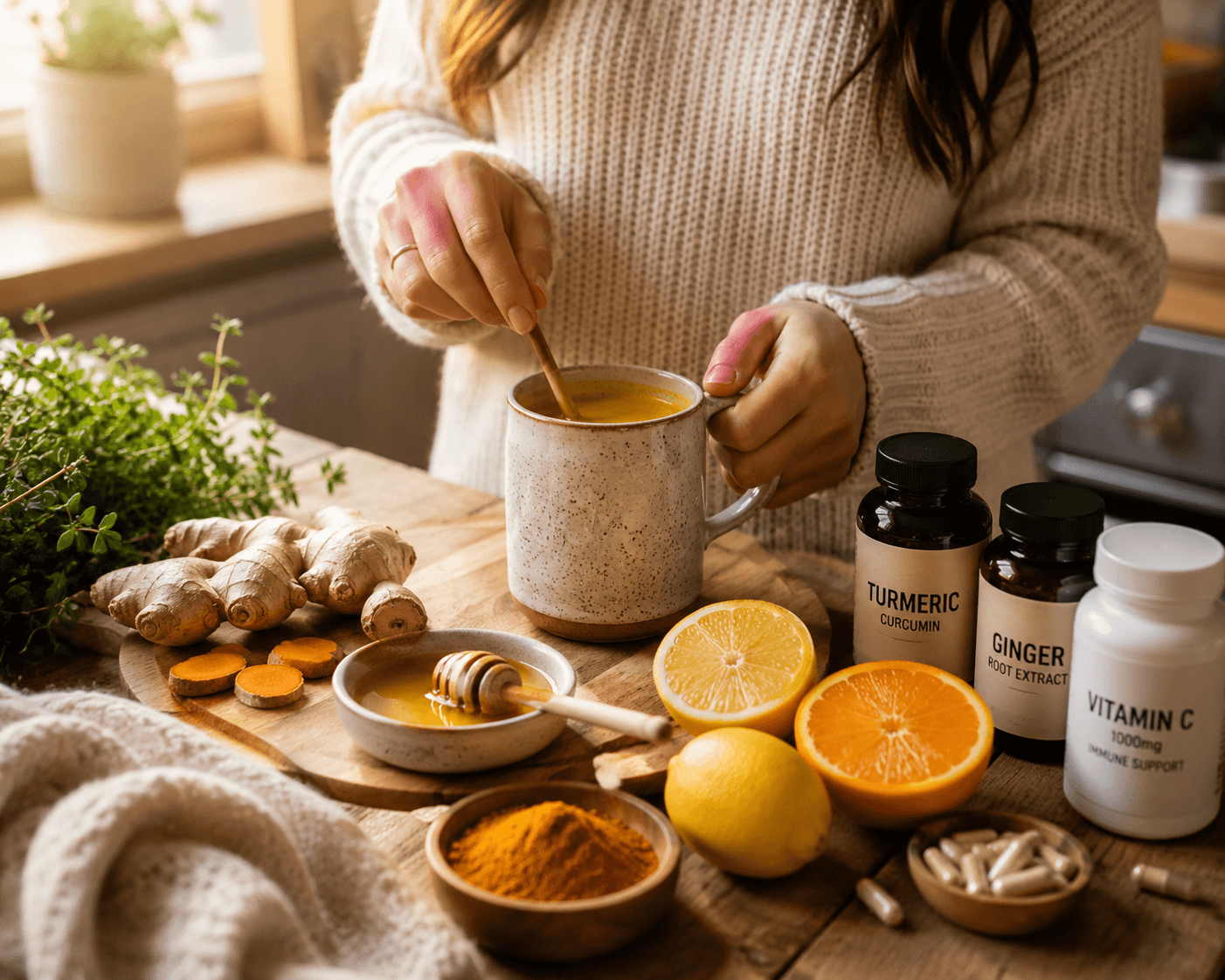
Ginger — Anti-inflammatory, antioxidant-rich, and genuinely warming. Fresh ginger tea with honey is one of my non-negotiables for winter immune system support.
Dark leafy greens — Spinach, kale, and Swiss chard are packed with Vitamins C and E plus beta carotene. Steam them lightly to preserve the nutrients.
Yogurt and fermented foods — Your gut houses roughly 70% of your immune system. Feeding it with probiotics from yogurt, kefir, sauerkraut, or kimchi is one of the most underrated strategies for winter immune system support.
Almonds — Half a cup gives you nearly your entire daily Vitamin E requirement. It’s a fat-soluble vitamin, meaning you absorb it better alongside healthy fats which almonds conveniently provide.
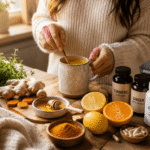
Turmeric — The curcumin in turmeric is a powerful anti-inflammatory compound. I drink golden milk (turmeric + warm oat milk + black pepper) several evenings a week in winter. The black pepper isn’t optional it dramatically increases curcumin absorption.
Sleep Is Your Most Powerful Winter Immune System Support Tool
I’ll be direct: if you’re skimping on sleep, nothing else in this article matters as much as fixing that first.
During sleep, your body produces cytokines proteins that target infection and inflammation. When you’re sleep-deprived, cytokine production drops significantly. Studies consistently show that people who sleep fewer than six hours a night are far more susceptible to catching colds and viruses.
For real winter immune system support, aim for 7–9 hours of quality sleep. Not just hours in bed actual sleep. That means:
- A consistent sleep schedule (yes, even on weekends)
- A cool, dark bedroom
- No screens for at least 30 minutes before bed
- Limiting alcohol, which fragments sleep architecture even if it helps you fall asleep faster
This isn’t optional. It’s the foundation.
The Best Supplements for Winter Immune System Support
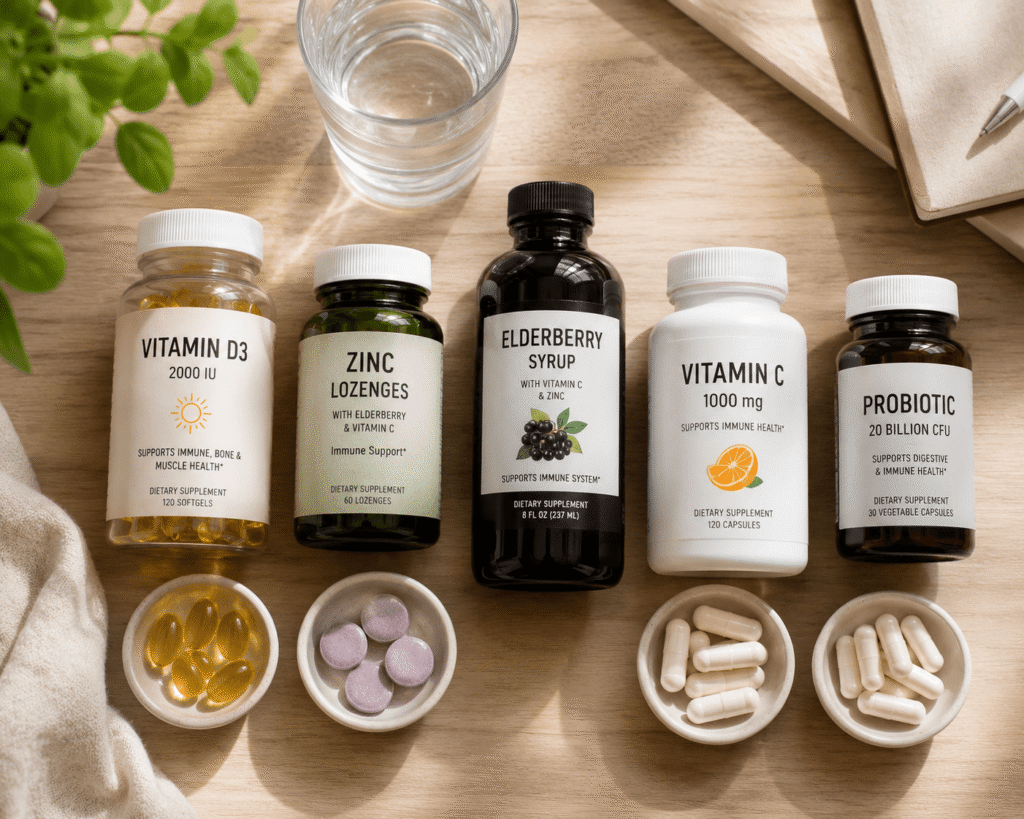
Okay this is where most people want to start, and I get it. Supplements are convenient, and when chosen correctly, they genuinely do support your immune system through winter. Here’s what I’ve personally used and researched extensively.
Vitamin D3 — The Winter Essential
This is non-negotiable for winter immune system support, especially if you live somewhere that doesn’t get much sun from October to April. Vitamin D plays a direct role in activating immune cells called T-cells. Without adequate levels, your immune system literally can’t respond as effectively.
Most adults are deficient by February. Get your levels tested if you can, but a daily supplement of 1,000–2,000 IU of Vitamin D3 is a reasonable starting point for most healthy adults.
[ Vitamin D3 + K2 Supplement] I recommend a D3 + K2 combo because K2 helps direct calcium appropriately — better absorption and safer long-term use. The brand I’ve used for two winters running is NatureWise Vitamin D3 with K2. It’s third-party tested, affordable, and the softgel format absorbs well.
Zinc
Zinc is one of the most evidence-backed minerals for winter immune system support. It helps regulate the immune system, supports the development of immune cells, and has antiviral properties. Several studies show zinc lozenges, when taken within 24 hours of cold symptoms appearing, can shorten the duration significantly.
Don’t megadose though — more than 40mg daily long-term can actually impair immune function. A standard 15–25mg daily is plenty.
[ Zinc Bisglycinate Supplement] I prefer zinc bisglycinate over zinc oxide — it’s gentler on the stomach and better absorbed. Garden of Life and Thorne both make solid options.
Elderberry (Sambucus)
Elderberry has earned its reputation in natural winter immune system support circles. The anthocyanins in elderberries have antioxidant and antiviral properties, and clinical studies show elderberry extract can reduce the duration and severity of cold and flu symptoms.
I start taking elderberry syrup daily from mid-October and continue through March.
[ Sambucol Elderberry Syrup] Sambucol is the most clinically studied elderberry brand — this matters because not all elderberry products are made equally. The syrup tastes good too, which helps with consistency.
Probiotics
As mentioned earlier, your gut and your immune system are deeply connected. A high-quality probiotic during winter is smart winter immune system support strategy, especially if you’ve been on antibiotics recently or your diet has taken a holiday hit.
[Culturelle or Seed DS-01 Probiotic] Seed DS-01 is my current daily driver — it survives transit through the gut better than most capsule-based probiotics, and the strain diversity is excellent. It’s pricier, but worth it if you’re serious about gut immunity.
Vitamin C
Classic for a reason. Vitamin C is an antioxidant that supports various cellular functions of the immune system. For winter immune system support, a daily dose of 500–1,000mg is reasonable. You don’t need to go overboard your body excretes what it doesn’t use anyway.
[ Liposomal Vitamin C] Liposomal Vitamin C absorbs significantly better than standard ascorbic acid tablets. Quicksilver Scientific and LivOn Labs both make quality liposomal options.
Lifestyle Habits That Actually Move the Needle

Supplements are support players. These lifestyle habits are the starting lineup.
Exercise — But Don’t Overdo It
Moderate, consistent exercise is one of the most powerful tools for winter immune system support. It improves circulation, reduces inflammation, and helps immune cells move through your body more efficiently.
The caveat: intense, prolonged exercise (think marathon training in January) can actually suppress immunity temporarily. The sweet spot is 30–45 minutes of moderate cardio or strength training, 4–5 days per week.
Stress Management
Chronic stress is an immune system killer. Cortisol, the stress hormone, suppresses the immune system when elevated over long periods. Winter with its holidays, financial pressure, less daylight, and social obligations is a stress minefield.
For winter immune system support, building some kind of daily stress-reduction practice isn’t soft advice it’s physiologically necessary. Even 10 minutes of breathing exercises or a short walk without your phone can make a measurable difference over weeks.
Hydration
Your mucous membranes nose, throat, lungs are your first line of defense against pathogens. When you’re dehydrated, they dry out and become less effective. Winter heating systems make indoor air dry, which speeds dehydration.
Drink enough water. Herbal teas count. Hot broths count. Coffee and alcohol don’t they’re diuretics.
Hand Hygiene (Still Relevant)
Boring but true. Regular handwashing with soap and water, especially before eating and after being in public places, remains one of the most effective forms of winter immune system support there is. Hand sanitizer is fine when soap isn’t available.
Pros and Cons of Common Winter Immune System Support Strategies
| Strategy | Pros | Cons |
|---|---|---|
| Vitamin D supplementation | Widely needed, strong evidence, inexpensive | Easy to forget; needs K2 for best results |
| Elderberry syrup | Tastes good, clinically studied | Pricier; not a cure, just supportive |
| Probiotics | Gut-immune connection is real | Quality varies wildly between brands |
| Exercise | Huge multi-system benefits | Overtraining can backfire |
| Sleep optimization | Free, powerful, foundational | Hard to implement with busy schedules |
| Stress reduction | Measurable immune impact | Requires consistent practice |
A Simple 7-Day Winter Immune System Support Jumpstart Plan
Not sure where to start? Here’s a practical week-one approach:
Day 1–2: Audit your sleep. Set a consistent bedtime and wake time. Remove screens from the bedroom.
Day 3: Stock your kitchen with immune-supportive foods — citrus, garlic, ginger, spinach, almonds, yogurt.
Day 4: Start a Vitamin D3 + K2 supplement and a probiotic.
Day 5: Add elderberry syrup to your morning routine (one tablespoon).
Day 6: Schedule three moderate workouts for the coming week. Put them in your calendar.
Day 7: Create one daily stress-reduction habit. Even five minutes of intentional breathing counts.
Repeat and build on this consistently, and your winter immune system support will compound over weeks.
Conclusion: Winter Doesn’t Have to Mean Getting Sick
Winter immune system support isn’t magic it’s a system. It’s the accumulation of good sleep, real food, the right supplements, regular movement, and managed stress, working together over months.
The biggest mistake people make is waiting until they feel sick to think about their immune health. By then, you’re playing catch-up. Start now, stay consistent, and your body will genuinely reward you with a healthier, more energetic winter.
If you’re going to pick one thing to start today fix your sleep. Then add Vitamin D. Then build from there. Small, consistent steps beat dramatic one-week supplement binges every single time.
Ready to take your winter immune system support seriously? Start with the supplements I’ve linked above, build the habits in the 7-day plan, and let me know in the comments how your winter goes. Here’s to a sick-free season. 🍊
FAQ: Winter Immune System Support
Q1. What is the most important supplement for winter immune system support?
Vitamin D3 is arguably the single most important supplement for winter immune system support. Most people in northern climates become deficient between October and April due to reduced sun exposure, and low Vitamin D is directly linked to weakened immune response. A daily D3 + K2 supplement of 1,000–2,000 IU covers most adults’ needs.
Q2. How can I naturally boost my immune system in winter without supplements?
You can naturally strengthen winter immune system support through consistent sleep (7–9 hours), a diet rich in Vitamin C foods (citrus, bell peppers, broccoli), regular moderate exercise, stress management techniques, staying hydrated, and eating fermented foods like yogurt and kefir for gut health. These habits form the foundation — supplements are secondary.
Q3. Does elderberry really help with winter immune system support?
Yes — elderberry (Sambucus nigra) has genuine clinical backing for winter immune system support. Studies show it can reduce the duration and severity of cold and flu symptoms, particularly when taken at the onset of illness. It works best as a preventive daily supplement during winter months, not just after symptoms appear.
Q4. Can stress really weaken my immune system in winter?
Absolutely. Chronic stress elevates cortisol, which directly suppresses immune function. This makes winter immune system support not just a physical challenge but a mental one. Holiday stress, financial pressure, and reduced sunlight (which affects mood) can all compound to leave your immune system more vulnerable. Daily stress-reduction practices — even brief ones — make a measurable biological difference.
Q5. Is exercise good or bad for winter immune system support?
Moderate, consistent exercise is one of the best things you can do for winter immune system support. It improves circulation, reduces inflammation, and helps immune cells circulate more efficiently. However, very intense or prolonged exercise (like training for a marathon in cold weather) can temporarily suppress immunity. Aim for 30–45 minutes of moderate activity most days.
Q6. What foods should I eat daily for winter immune system support?
For daily winter immune system support, focus on: citrus fruits and bell peppers (Vitamin C), garlic and onions (antimicrobial compounds), ginger and turmeric (anti-inflammatory), dark leafy greens (Vitamins C and E), almonds and sunflower seeds (Vitamin E), and fermented foods like yogurt or kefir (probiotics for gut immunity). Consistency over the entire winter matters far more than eating perfectly for one week.
Q7. How much Vitamin C should I take for winter immune system support?
For general winter immune system support, 500–1,000mg of Vitamin C daily is a reasonable, safe range for most healthy adults. Going significantly higher doesn’t provide proportionally greater benefits, as your body excretes excess Vitamin C. If possible, opt for liposomal Vitamin C for better absorption compared to standard ascorbic acid tablets.
Disclaimer: This article is for informational purposes only and does not constitute medical advice. Always consult a qualified healthcare professional before starting any new supplement regimen.