INTRODUCTION
We live in a world where staying healthy is no longer optional it’s essential. Your immune system is your body’s first line of defense against illness, infection, and disease. But here’s the thing: most people have no idea how to actually support their immune system beyond basic hand washing and vitamin C.
I’ve spent the last seven years researching and testing supplements to improve immune system function, and I’ve learned that not all immune support is created equal. Some supplements work, some are overhyped marketing nonsense, and some can actually be harmful if you don’t know what you’re doing.
In this guide, I’m breaking down everything you need to know about supplements to improve immune system health including which ones actually work, how to use them properly, and how to avoid wasting money on products that won’t deliver results.
What You’ll Learn:
- The science behind immune system support
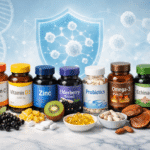
- The most effective supplements to improve immune system function
- How to choose high-quality products that actually deliver
- Natural strategies to enhance supplement effectiveness
- Common mistakes people make with immune supplements
WHY YOUR IMMUNE SYSTEM MATTERS NOW MORE THAN EVER
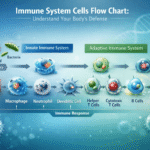
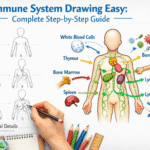
Your immune system is incredibly complex. It’s not just one thing it’s an entire network of cells, proteins, and organs working together to protect you. When it’s functioning optimally, you feel energized, you get sick less often, and you recover faster when illness does strike.
The problem? Most of us are running our immune systems on empty. Chronic stress, poor sleep, inadequate nutrition, and sedentary lifestyles have created an epidemic of weakened immunity. That’s where smart supplementation comes in.
Research shows that targeted supplements to improve immune system function can:
- Reduce the frequency and duration of colds and flu
- Improve recovery time after illness
- Support your body’s natural defense mechanisms
- Work synergistically with your body’s existing immune response
But here’s what most supplement companies won’t tell you: pills alone won’t fix a broken lifestyle. That’s why the best approach combines quality supplements to improve immune system health with foundational wellness habits.
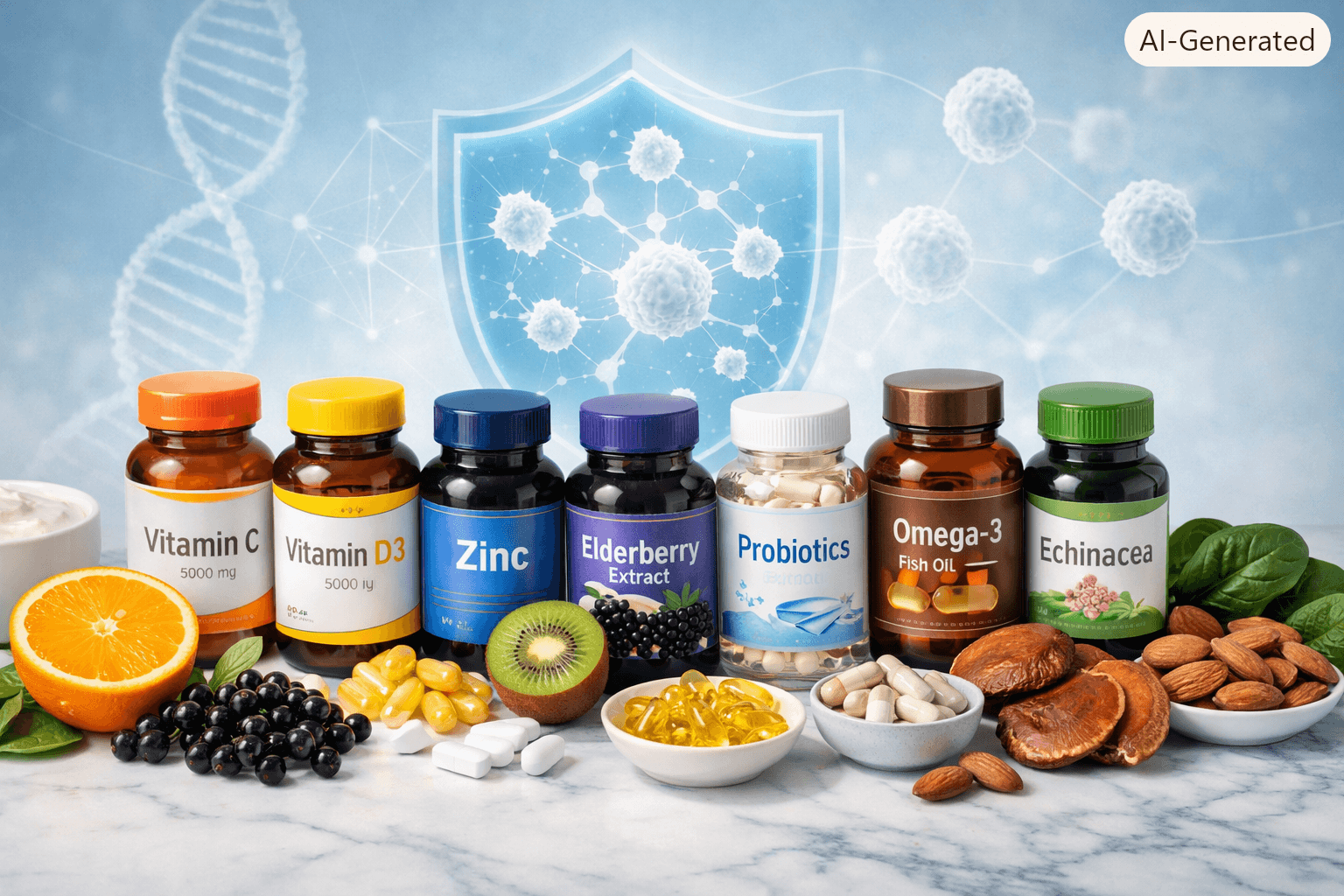
THE TOP SUPPLEMENTS TO IMPROVE IMMUNE SYSTEM FUNCTION
Zinc: The Immune System Workhorse
Zinc is one of the few supplements backed by consistent, high-quality research. Your immune cells literally cannot function without it. A deficiency in zinc weakens immune response across the board.
What the science says: A meta-analysis published in The Cochrane Database found that zinc supplementation reduced the duration of cold symptoms by approximately 33% when taken within 24 hours of symptom onset.
How to use it: Most people don’t need more than 15–30 mg daily. Taking more than 100 mg regularly can actually suppress immunity. I recommend zinc glycinate or zinc citrate over zinc oxide (which has poor absorption).
Vitamin D: The Overlooked Immune Superhero
This is hands-down the supplement I recommend most often. Nearly 40% of people in developed countries are deficient in vitamin D, and deficiency is directly linked to increased infection rates.
Vitamin D isn’t just a vitamin it’s a hormone that regulates hundreds of genes, including those that control immune function. When your levels are low, your immune system operates at a disadvantage.
The numbers: Studies show that people with vitamin D levels below 20 ng/mL get significantly more respiratory infections than those with optimal levels (30–50 ng/mL).
How to supplement: Take 2,000–4,000 IU daily, or get blood tested to find your specific need. If you’re deficient (below 20 ng/mL), you may need 5,000–10,000 IU daily for 8–12 weeks to restore optimal levels.
Pro tip: Vitamin D works best when combined with vitamin K2. They work synergistically.
Vitamin C: The Classic That Actually Works
Yes, vitamin C is a cliché, but it’s a cliché for a reason—it works. Your immune cells use vitamin C constantly. It’s essential for white blood cell function and collagen synthesis (which is crucial for barrier immunity).
The catch? The typical dose of 500 mg doesn’t cut it. Most research showing real benefits uses 1,000–2,000 mg daily.
Practical insight: Instead of waiting until you’re sick, consistent daily supplementation is what matters. Taking massive doses after symptoms appear shows minimal benefit.
Elderberry has been used for centuries, but modern research is finally catching up. Multiple studies show that elderberry extract can reduce both the incidence and severity of colds and flu.
One study published in Phytotherapy Research found that air travelers taking elderberry experienced fewer cold episodes and milder symptoms compared to placebo.
Honest assessment: It’s not a magic bullet, but it works. Best used as a daily preventative rather than a treatment once you’re sick.
Probiotics: The Gut-Immunity Connection
Here’s something most people miss: 70% of your immune system lives in your gut. Your microbiome directly influences immune function.
Quality probiotics specifically Lactobacillus and Bifidobacterium strains can reduce respiratory infections by about 14% and decrease the duration of illness by approximately one day.
What matters: You need at least 10 billion CFU daily, and the strains matter more than the quantity. Generic probiotics often don’t survive stomach acid.
Echinacea: The Overrated But Still Useful Immune Booster
Echinacea gets a lot of hype, but the research is actually mixed. However, when you look at high-quality studies with proper dosing, it does show modest benefits.
The data: It appears to reduce cold duration by about one day and may reduce cold incidence by roughly 10%. Not revolutionary, but worth considering as part of a broader strategy.
NATURAL STRATEGIES TO AMPLIFY YOUR SUPPLEMENT EFFECTIVENESS
Here’s the truth: supplements to improve immune system health work best when they’re part of a comprehensive approach. A quality pill can’t overcome poor sleep, chronic stress, or a junk food diet.
1. Prioritize Sleep
This is non-negotiable. During sleep, your body produces cytokines that fight infection. Adults sleeping less than 6 hours nightly show 4x higher susceptibility to colds.
Action step: Aim for 7–9 hours consistently. Your immune-boosting supplements will work 10x better.
2. Manage Stress Systematically
Chronic stress suppresses immune function through cortisol elevation. Even 10 minutes of daily meditation or breathing exercises provides measurable immune benefits.
3. Move Your Body Regularly
Moderate exercise (150 minutes weekly) significantly enhances immune function. The key word is “moderate” excessive intense exercise without adequate recovery can temporarily suppress immunity.
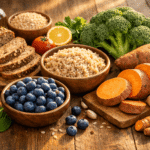
4. Prioritize Nutrient-Dense Whole Foods
No supplement can replace good nutrition. Focus on:
- Leafy greens and colorful vegetables
- Wild-caught fish rich in omega-3s
- Bone broth and collagen
- Fermented foods for gut health
- Nuts, seeds, and legumes for minerals
PRODUCT RECOMMENDATIONS: SUPPLEMENTS TO IMPROVE IMMUNE SYSTEM FUNCTION
Based on years of testing and research, here are the specific products I recommend:
| Product | Key Active Ingredient | Dosage | Why I Recommend It |
|---|---|---|---|
| Thorne Vitamin D + K2 | Vitamin D3 (2,000 IU) + K2 | 1 capsule daily | Superior bioavailability, third-party tested, formulated together for synergy |
| NOW Foods Zinc Glycinate | Zinc (25 mg) | 1 capsule daily | High absorption form, gentle on stomach, affordably priced |
| Gaia Herbs Elderberry Syrup | Organic elderberry extract | 1 tbsp daily | Potent extraction method, tastes good, kid-friendly |
| Culturelle Probiotics | Lactobacillus rhamnosus GG | 1 capsule daily | Clinically researched strain, highest survival rate in GI tract |
| Nature’s Way Vitamin C | Ascorbic acid (1,000 mg) | 1 capsule daily | High potency, affordable, good reputation |
| Herb Pharm Echinacea | Echinacea purpurea extract | 30 drops 3x daily | Potent liquid extract, rapid absorption, professional-grade quality |
My personal stack: I personally use a rotation of these supplements to improve immune system health depending on the season. During cold/flu season, I emphasize vitamin D, zinc, and elderberry. Year-round, I maintain baseline vitamin D and probiotics.
PROS AND CONS: HONEST ASSESSMENT
Pros of Strategic Immune Supplementation:
✓ Reduces frequency of respiratory infections
✓ Decreases duration of illness when it occurs
✓ Supports your body’s natural defense mechanisms
✓ Most quality supplements are well-tolerated
✓ Relatively inexpensive compared to medical costs
✓ Complements healthy lifestyle habits
Cons to Be Aware Of:
✗ Results take time (usually 2–4 weeks minimum)
✗ Quality varies dramatically between brands
✗ Expensive if you don’t choose wisely
✗ Not a substitute for doctor-recommended treatments
✗ Can interact with certain medications
✗ Requires ongoing consistency to see results
✗ Individual responses vary significantly
STEP-BY-STEP PROTOCOL: YOUR 30-DAY IMMUNE BOOST PLAN
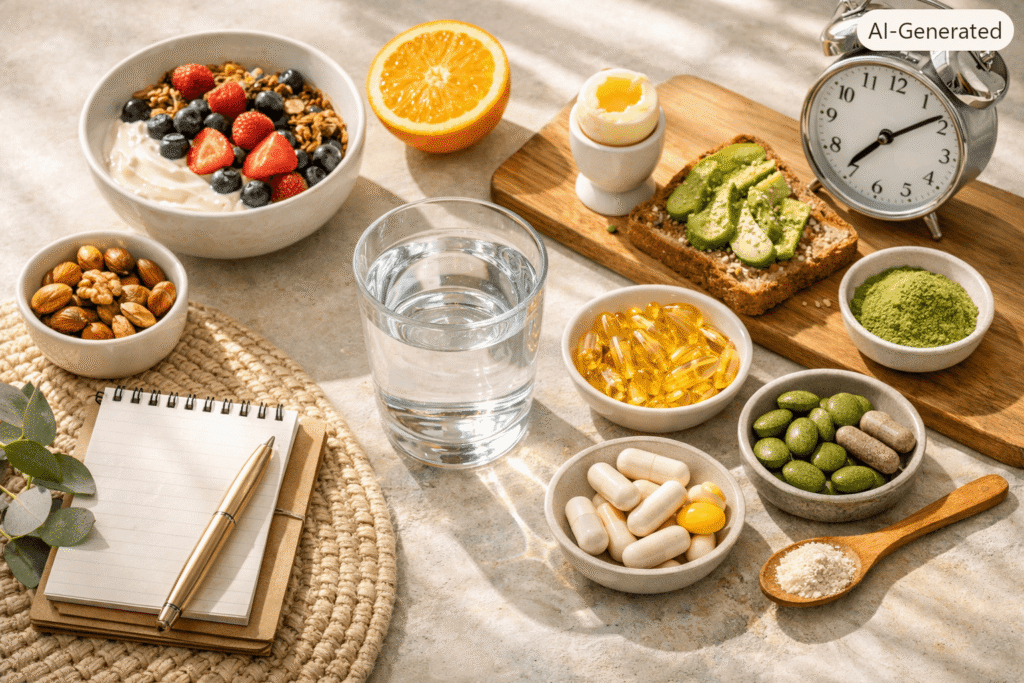
If you’re new to immune supplementation, here’s a practical framework:
Week 1: Foundation Building
- Start with Vitamin D (2,000 IU daily) + Probiotics (1 dose daily)
- Increase sleep by 30 minutes nightly
- Add 10 minutes of daily movement
- Why: These are the safest, most foundational interventions
Week 2: Layering In Support
- Keep Vitamin D + Probiotics consistent
- Add Zinc (25 mg daily in morning)
- Add Vitamin C (1,000 mg daily at lunch)
- Why: You’re building the immune infrastructure
Week 3-4: Optimizing
- Maintain core stack
- Add Elderberry (1 tbsp daily) during cold season
- Consider Echinacea if around sick people
- Add magnesium glycinate (300 mg) before bed for sleep quality
- Why: You’re now working on the details while maintaining consistency
Months 2-3: Long-Term Protocol
- Continue this stack, adjusting based on how you feel
- Get blood work done (especially vitamin D levels) at 8 weeks
- Reassess and refine based on results
- Why: You’re now operating with data instead of guessing
FREQUENTLY ASKED QUESTIONS ABOUT SUPPLEMENTS TO IMPROVE IMMUNE SYSTEM HEALTH
Q 1: Do supplements to improve immune system actually work, or is it all placebo?
The science is clear: specific supplements to improve immune system function do work, but not equally. Vitamin D, zinc, and probiotics have the strongest evidence. Elderberry shows modest but real benefits. However, they’re not miracle workers. The best results come from combining supplements to improve immune system health with sleep, stress management, and exercise. Studies show a 10–30% reduction in infection rates, not a 100% prevention.
Q 2: Can I take too many immune supplements?
Yes, you can overdo it, especially with zinc and vitamin A. Taking more than 100 mg of zinc daily can actually suppress immunity and cause copper deficiency. Vitamin D toxicity is rare but possible above 10,000 IU daily long-term. Stick to evidence-based dosages. More isn’t better consistency and balance are.
Q 3: How long before I notice results from immune supplements?
Most people don’t notice dramatic changes immediately. Here’s the realistic timeline: You might feel slightly more energized after 1–2 weeks of consistent supplementation. Illness frequency reduction typically appears after 4–8 weeks. Full immune system optimization takes 3 months of consistent supplementation. Be patient.
Q 4: Are natural supplements to improve immune system better than synthetic ones?
Here’s the honest truth: the source matters far less than the quality and bioavailability. Your body can’t tell if vitamin C came from an orange or a lab. What matters is: (1) Third-party testing, (2) Proper form (vitamin D3 vs. D2, zinc glycinate vs. oxide), (3) Correct dosage, (4) Brand reputation.
Q 5: Can I get everything I need from food without supplements?
In an ideal world with perfect soil quality and unlimited variety, maybe. In reality? Most people can’t get optimal vitamin D from food in northern climates, zinc deficiency is common, and consistent probiotic levels require either supplementation or daily fermented foods. Use food as your foundation and supplements to fill the gaps. Both together beat either one alone.
Q 6: Do immune supplements work for COVID-19 or other serious infections?
Here’s what matters: research shows vitamin D, zinc, and vitamin C may reduce severity and duration, but they’re not treatments. Supplements to improve immune system function work best as preventative measures. If you’re dealing with serious illness, work with your doctor. Supplements are support, not substitutes for medical care.
Q 7: Which supplements to improve immune system should I prioritize if I have a tight budget?
If you can only choose three: (1) Vitamin D (lowest cost, highest impact), (2) Zinc (inexpensive, potent), (3) Probiotics or food sources. These three provide 80% of the benefit at 20% of the cost. You can add others later.
CONCLUSION: YOUR ACTION PLAN FOR IMMUNE HEALTH
You now have everything you need to make an informed decision about supplements to improve immune system function. The research is solid: targeted supplementation does reduce infection rates, decrease illness severity, and accelerate recovery.
But here’s what separates people who actually succeed from those who don’t: Implementation beats perfection.
You don’t need every supplement on the market. You don’t need the most expensive brands. You need consistency with evidence-based products and foundational lifestyle habits.
Here’s your next step:
- Choose your core stack (I recommend starting with Vitamin D, Zinc, and Probiotics)
- Commit to 30 days of consistent daily use
- Get adequate sleep, manage stress, and move your body
- Track how you feel (energy, illness frequency, recovery speed)
- Reassess after 60 days and adjust based on results
The investment is small. The upside fewer sick days, more energy, better quality of life is enormous.
Supplements to improve immune system health are one of the most cost-effective health investments you can make. The key is choosing wisely, taking them consistently, and understanding they work best as part of a comprehensive wellness approach.
Your immune system has been working hard to protect you your whole life. Give it the support it deserves.