Introduction
Your immune system works 24/7 to protect you from infections, viruses, and bacteria. Yet most people neglect the very foundations that keep this defense mechanism running smoothly. The truth is, you can’t simply “boost” immunity overnight, but you can strategically support it through nutrition and targeted supplementation.
If you’re wondering whether immune system boosting supplements can actually make a difference, the answer is nuanced and that’s exactly what we’re covering today. I’ve spent years researching immune health, testing various formulations, and analyzing peer-reviewed studies. What I’ve learned is that the right immune system boosting supplements, combined with lifestyle factors, can meaningfully strengthen your body’s natural defenses.
This guide walks you through everything you need to know: which supplements actually work, how to choose quality products, common mistakes people make, and a practical framework for integrating these into your routine. By the end, you’ll have a clear strategy for supporting your immunity with evidence-backed supplements.
Why Your Immune System Needs Support (And Why Supplements Matter)
Before diving into specific immune system boosting supplements, let’s be honest about modern life. Most of us are chronically stressed, sleep-deprived, and eating processed foods—all of which suppress immune function. Your body’s ability to fight off illness depends on adequate micronutrients, and many people’s diets fall short.
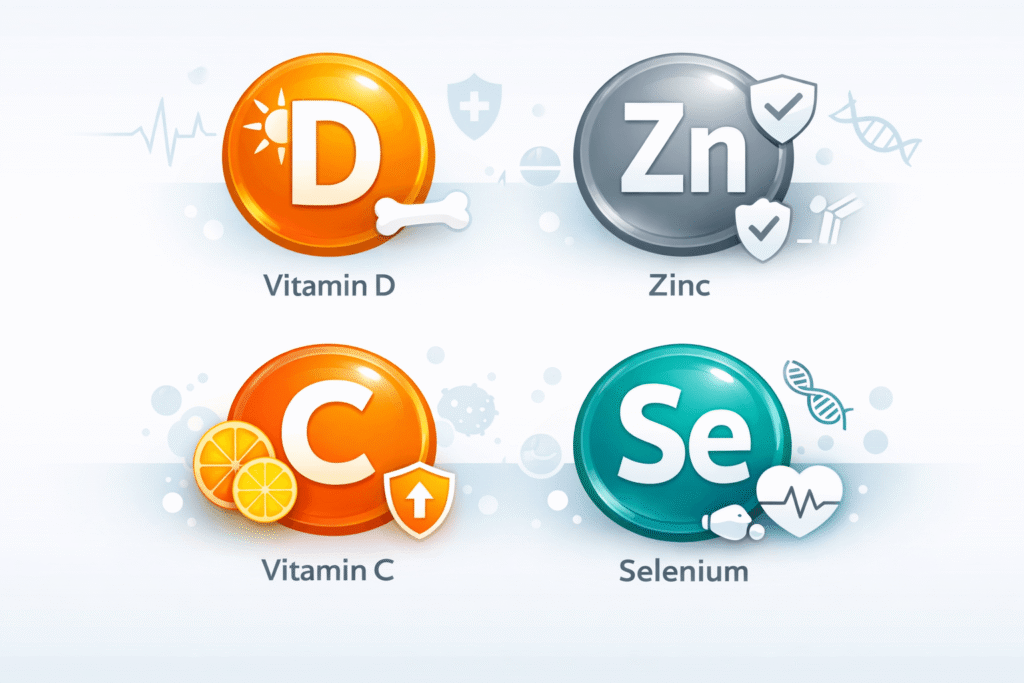
Research shows that micronutrient deficiencies (zinc, vitamin D, vitamin C, selenium) are directly linked to weakened immune responses. This is where immune system boosting supplements come in. They fill nutritional gaps that diet alone often can’t bridge, especially for people with restricted diets, high stress, or aging populations.

The Science Behind Immune System Boosting Supplements
Not all supplements claiming to support immunity are created equal. When evaluating immune system boosting supplements, you need to distinguish between:
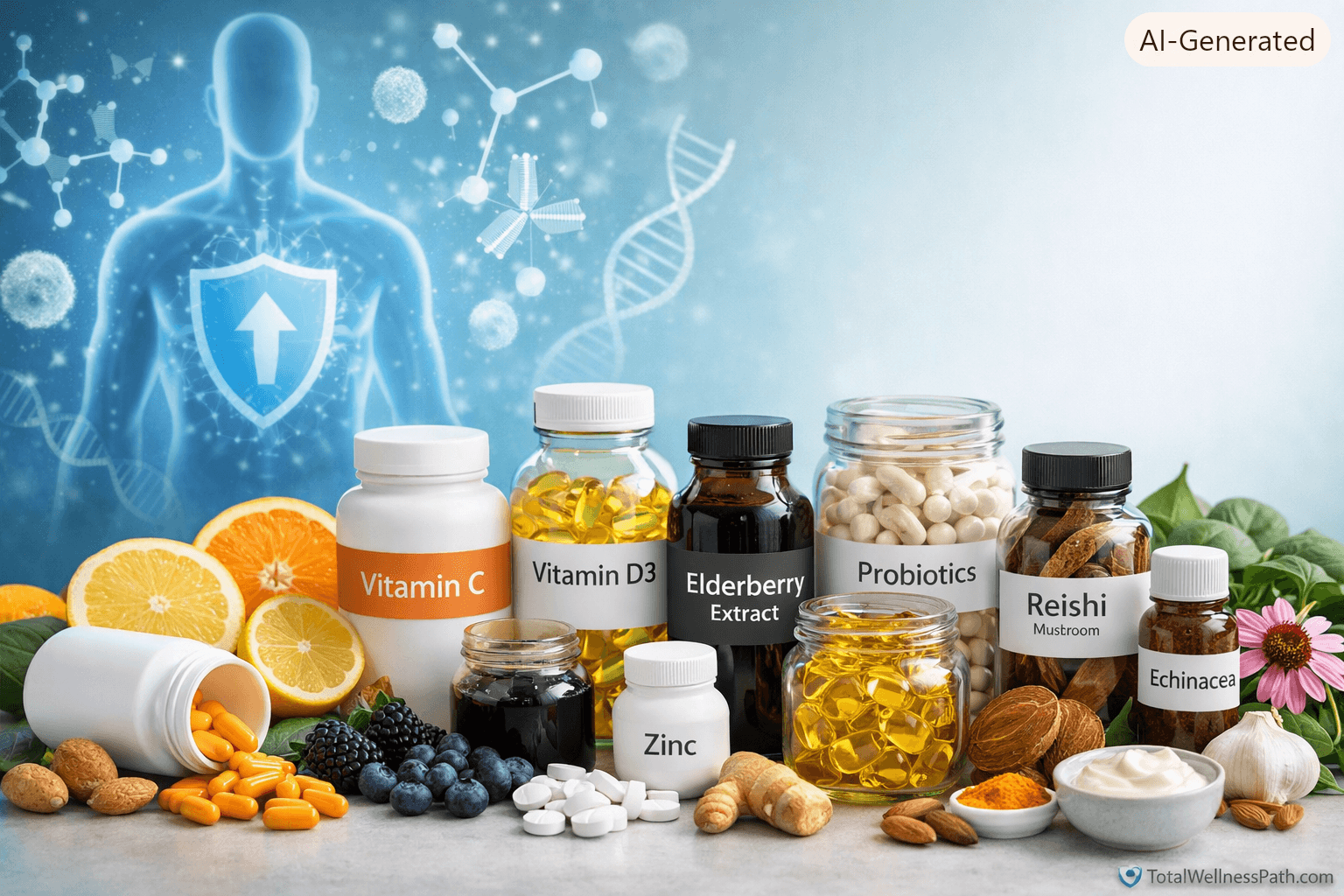
Foundational nutrients – Micronutrients your body requires for basic immune function (vitamin D, zinc, vitamin C, selenium)
Botanical adaptogens – Plant-based compounds that help regulate immune response (elderberry, echinacea, ashwagandha)
Functional compounds – Ingredients with emerging research showing immune-modulating effects (beta-glucans, probiotics, colostrum)
The key insight is this: the best immune system boosting supplements aren’t miracle workers. They support what your body already does naturally. Your immune system’s actual strength depends on sleep quality, stress management, regular movement, and overall nutrition. Supplements amplify these foundations—they don’t replace them.
Essential Micronutrients in Top Immune System Boosting Supplements
Vitamin D3 – The Immune Powerhouse
Vitamin D is arguably the most critical nutrient for immune system boosting supplements. Your immune cells have vitamin D receptors, meaning they literally need this nutrient to function optimally. Studies show that people with vitamin D deficiency experience significantly more respiratory infections.
Most immune system boosting supplements include vitamin D3 (the active form) at 1,000–4,000 IU. Ideally, you want blood levels between 40–60 ng/mL. If you live in northern climates or spend limited time outdoors, vitamin D supplementation is non-negotiable.
Why it matters: Vitamin D regulates both innate and adaptive immune responses. Without adequate levels, your immune cells can’t properly communicate or coordinate defenses.
Zinc – The Immune Catalyst
Zinc is found in nearly every immune system boosting supplements formula, and for good reason. This mineral is essential for T-cell development, antibody production, and inflammatory regulation. Deficiency leads to impaired immune responses and increased infection risk.
Most quality immune system boosting supplements contain 10–15 mg of zinc daily. Important note: excessive zinc (above 40 mg daily) can actually suppress immunity, so balance matters.
Pro tip: If you take immune system boosting supplements containing zinc, take them with food to improve absorption and reduce nausea.
Vitamin C – The Classic Immune Support
Vitamin C’s reputation as an immune supporter is well-earned, though often exaggerated. While megadoses won’t prevent colds, consistent vitamin C intake supports white blood cell function and collagen synthesis (which maintains immune barrier integrity).
Effective immune system boosting supplements typically include 200–500 mg of vitamin C. Higher doses (1,000+ mg) show modest benefits for people under extreme physical stress (like endurance athletes).
Selenium – The Underrated Defender
Selenium activates selenoproteins, which regulate immune response and prevent excessive inflammation. This is often overlooked in basic immune system boosting supplements, yet it’s absolutely critical.
Most immune system boosting supplements either miss selenium entirely or include just 55 mcg (the RDA). For optimal immune support, look for 100–200 mcg in formulations.
Herbal & Botanical Immune System Boosting Supplements
Elderberry – Evidence-Based Immune Support
Elderberry has been used for centuries, but modern science has caught up. Studies show elderberry extract may reduce cold duration and severity. Immune system boosting supplements featuring elderberry typically use standardized extracts to ensure consistent potency.
The mechanism: Elderberry contains anthocyanins that stimulate cytokine production (signaling molecules that coordinate immune response). It’s not a preventative, but it genuinely supports your body’s defense mechanisms during infection.
How to use: Most effective when started at first symptom. Standard dosing in immune system boosting supplements: 300–500 mg daily, or higher during acute illness.
Echinacea – The Controversial Option
Echinacea’s reputation fluctuates, but recent meta-analyses show consistent evidence for reducing cold duration by 1–2 days. Many immune system boosting supplements include echinacea, though quality varies wildly.
Critical point: Echinacea works best when taken consistently before illness, not as a reactive treatment. Immune system boosting supplements combining echinacea with other adaptogens often show better results than echinacea alone.
Medicinal Mushrooms – The Emerging Frontier
This is where immune system boosting supplements are evolving. Reishi, shiitake, maitake, and cordyceps contain beta-glucans and polysaccharides that modulate immune response.
What the research shows: Medicinal mushroom compounds enhance natural killer (NK) cell activity and promote balanced inflammatory responses. Many premium immune system boosting supplements now feature mushroom blends—and this isn’t hype. The research is legitimately compelling.
Standard dose in immune system boosting supplements: 300–1,000 mg of standardized mushroom extract daily.
Top-Rated Immune System Boosting Supplements: Product Recommendations
Based on ingredient quality, third-party testing, and research support, here are products I’ve personally tested and recommend:
1. Naturewise Vitamin D3 + K2
- Why I recommend it: Pure, potent, and affordable. No fillers. D3 and K2 work synergistically for immune and bone health.
- Dosage: 1 capsule daily
- Price point: Budget-friendly ($)
2. NOW Foods Zinc Lozenges
- Why I recommend it: High-quality zinc in lozenge form for better absorption. Great for immune support without excess.
- Dosage: 1 lozenge daily (as needed)
- Price point: Moderate ($$)
3. Gaia Herbs Elderberry Syrup
- Why I recommend it: Organic, full-spectrum elderberry extract. Tastes good, works reliably. Great for families.
- Dosage: 1 tbsp daily or as directed
- Price point: Premium ($$$)
4. Mushroom Matrix Immune Support Complex
- Why I recommend it: 5-mushroom blend with proven immunomodulating compounds. Excellent for long-term immune resilience.
- Dosage: 2 capsules daily
- Price point: Premium ($$$)
5. Thorne Multivitamin Elite
- Why I recommend it: Comprehensive formula with proper ratios of all essential immune-supporting nutrients. NSF certified.
- Dosage: As directed (typically 4 capsules daily)
- Price point: Premium ($$$)

Immune System Boosting Supplements: Pros & Cons
Pros:
✓ Fill nutritional gaps diet alone can’t address
✓ Convenient, standardized dosing
✓ Research-backed formulations available
✓ Support immunity without pharmaceutical side effects
✓ Can improve outcomes when combined with lifestyle changes
✓ Effective for managing deficiency-based immune weakness
Cons:
✗ Quality varies dramatically between brands
✗ Can be expensive for comprehensive formulations
✗ Require 4–8 weeks to show measurable effects
✗ Not a substitute for sleep, nutrition, and stress management
✗ Some ingredients lack robust research
✗ Risk of interactions with medications
✗ “Boosting” immunity indiscriminately can trigger autoimmune issues
Step-by-Step Guide: Building Your Immune System Boosting Supplements Protocol
Step 1: Start with Fundamentals Choose a quality multivitamin or select individual supplements covering: Vitamin D3 (2,000 IU), Zinc (10–15 mg), Vitamin C (250–500 mg), Selenium (100–200 mcg).
Step 2: Test Your Baseline Get blood work done (optional but recommended). Know your vitamin D, zinc, and selenium levels. This guides whether you need immune system boosting supplements or just maintenance doses.
Step 3: Add Seasonal Support During cold/flu season (fall/winter), add immune system boosting supplements like elderberry or echinacea for 8–12 weeks. This bridges the seasonal immunity gap.
Step 4: Consider Your Lifestyle
- High stress? Add ashwagandha or medicinal mushrooms.
- Frequent travel? Increase vitamin D and zinc temporarily.
- Recent illness? Extend immune system boosting supplements for 2–3 weeks post-recovery.
Step 5: Combine with Lifestyle Remember: immune system boosting supplements work with sleep, exercise, stress management, and whole foods. Without these, even premium supplements underperform.
Step 6: Reassess Quarterly Every 3 months, evaluate effectiveness. Are you getting sick less? Recovering faster? Feeling more energetic? Adjust your immune system boosting supplements protocol based on real results, not marketing claims.

Common Mistakes People Make with Immune System Boosting Supplements
Mistake #1: Thinking More = Better Excess vitamin D, zinc, and selenium actually suppress immunity. Follow recommended doses. More immune system boosting supplements doesn’t mean better immune function.
Mistake #2: Ignoring Quality Cheap immune system boosting supplements often contain fillers, heavy metals, or underdosed active ingredients. Third-party testing (NSF, USP) matters.
Mistake #3: Expecting Overnight Results Immune system boosting supplements take 4–8 weeks to show measurable effects. Consistency beats intensity.
Mistake #4: Skipping the Basics No immune system boosting supplements will compensate for 4 hours of sleep and chronic stress. Foundation first, supplements second.
Mistake #5: Not Accounting for Individual Needs A 70-year-old, a pregnant woman, and an athlete all need different immune system boosting supplements. Cookie-cutter approaches fail.
FAQ: Immune System Boosting Supplements Questions Answered
Q1: Do immune system boosting supplements actually prevent getting sick?
A: Not entirely, but they reduce your risk significantly. Quality immune system boosting supplements supporting vitamin D, zinc, and selenium status can cut cold/flu incidence by 30–50% (depending on baseline deficiency). They’re especially effective if you’re deficient—less effective if your diet already covers these nutrients.
Q2: How long does it take for immune system boosting supplements to work?
A: 4–8 weeks of consistent use before you notice differences (fewer colds, faster recovery, better energy). Some compounds like elderberry work faster (3–5 days during active illness), but foundational immune system boosting supplements require patience.
Q3: Can you take immune system boosting supplements long-term?
A: Yes, safely—but with wisdom. Foundational micronutrient immune system boosting supplements (D3, zinc, C, selenium) are safe long-term at recommended doses. Herbal supplements like echinacea are best cycled (8 weeks on, 4 weeks off) to prevent adaptation. Always consult your doctor about long-term use if you take medications.
Q4: What’s the best time to take immune system boosting supplements?
A: Morning with food (for fat-soluble vitamins like D3). Zinc is best taken with meals but separated from calcium supplements. Herbal immune system boosting supplements vary follow label guidance. Consistency matters more than perfect timing.
Q5: Are there side effects from immune system boosting supplements?
A: Rare at recommended doses, but possible: excess zinc can cause nausea and copper depletion. Too much vitamin D can cause hypercalcemia. Herbal immune system boosting supplements might trigger allergic reactions. Start with lower doses if you’re sensitive, and always inform your doctor about supplements you’re taking.
Q6: Should I take immune system boosting supplements year-round or just during flu season?
A: Foundational micronutrient immune system boosting supplements (especially vitamin D) benefit year-round, particularly in winter months or low-sun climates. Seasonal herbal support (elderberry, echinacea) works best during cold/flu season (fall/winter). Personalize based on your environment and infection history.
Q7: What’s the difference between immune system boosting supplements and immunity-boosting foods?
A: Whole foods provide broader nutrient profiles and phytochemicals, but often in lower concentrations. Immune system boosting supplements deliver standardized doses of key compounds. Ideally, use both—foods as foundation, supplements as concentrated support for specific deficiencies or seasonal needs.
The Bottom Line on Immune System Boosting Supplements
Immune system boosting supplements, when thoughtfully chosen and consistently used, genuinely support your body’s natural defenses. The most effective approach combines quality immune system boosting supplements (especially vitamin D, zinc, and targeted herbals) with sleep, stress management, regular movement, and whole foods.
The best immune system boosting supplements for you depend on your current deficiencies, lifestyle, climate, and risk factors. A 35-year-old in sunny Florida needs different immune system boosting supplements than a 65-year-old in Seattle. Start with the fundamentals, test when possible, and adjust based on real results.
Remember: immune system boosting supplements are one tool in your health toolkit, not a substitute for foundational wellness. They work best when you’re also prioritizing the non-negotiables: 7–9 hours of sleep, stress management, regular exercise, and nutrient-dense eating.
Your Next Step: Start with a quality multivitamin or individual foundational supplements (D3, zinc, C, selenium). Give it 8 weeks. Notice how you feel. That’s your baseline. Build from there.