Introduction
Your skin isn’t just a protective barrier it’s a sophisticated immune powerhouse. Hidden within its layers are specialized white blood cells called macrophages, and they’re working 24/7 to keep you healthy. If you’ve ever wondered how your body instantly recognizes and fights off invaders, the answer lies in understanding these incredible immune cells.
Skin macrophages that help activate the immune system are far more intelligent than most people realize. They don’t just passively patrol your skin; they actively communicate with your immune system, triggering defensive responses that can mean the difference between getting sick and staying healthy. In this guide, I’ll break down exactly how these cells work, why they matter, and what you can do to support their function.
Whether you’re dealing with recurrent infections, slow wound healing, or simply want to optimize your immunity, understanding skin macrophages that help activate the immune system gives you science-backed knowledge to make better health decisions.
What Are Skin Macrophages? Understanding Your Body’s Immune Sentinels
Definition and Location: Where These Cells Call Home
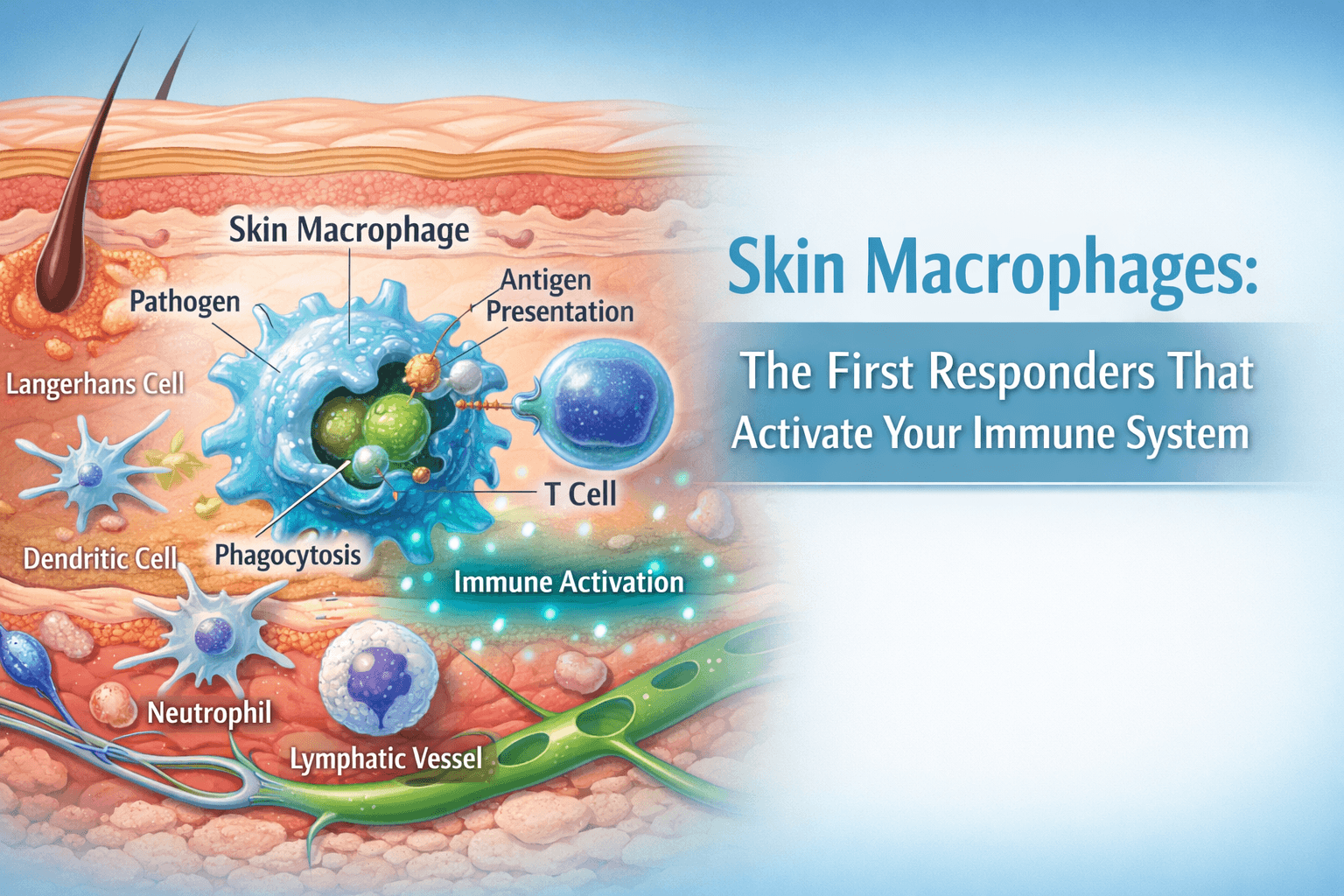
Macrophages are specialized white blood cells that belong to your innate immune system the rapid-response team that acts before your adaptive immunity kicks in. The name itself tells their story: “macrophage” literally means “big eater.” These cells are larger than most immune cells and have a crucial job: patrol tissues, engulf pathogens, and coordinate immune responses.
In your skin, macrophages live in the dermis (the layer beneath your epidermis) and work closely with Langerhans cells—another type of immune cell. What makes them unique is their location. Your skin is your largest organ, constantly exposed to environmental threats. This means skin macrophages that help activate the immune system are among the frontline defenders your body relies on every single day.
Interestingly, most people have never heard of macrophages, despite these cells being absolutely essential to survival. You can think of them as your body’s security team—always alert, always responsive.
The Core Role: How Macrophages Activate Immune Response
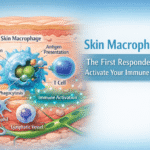
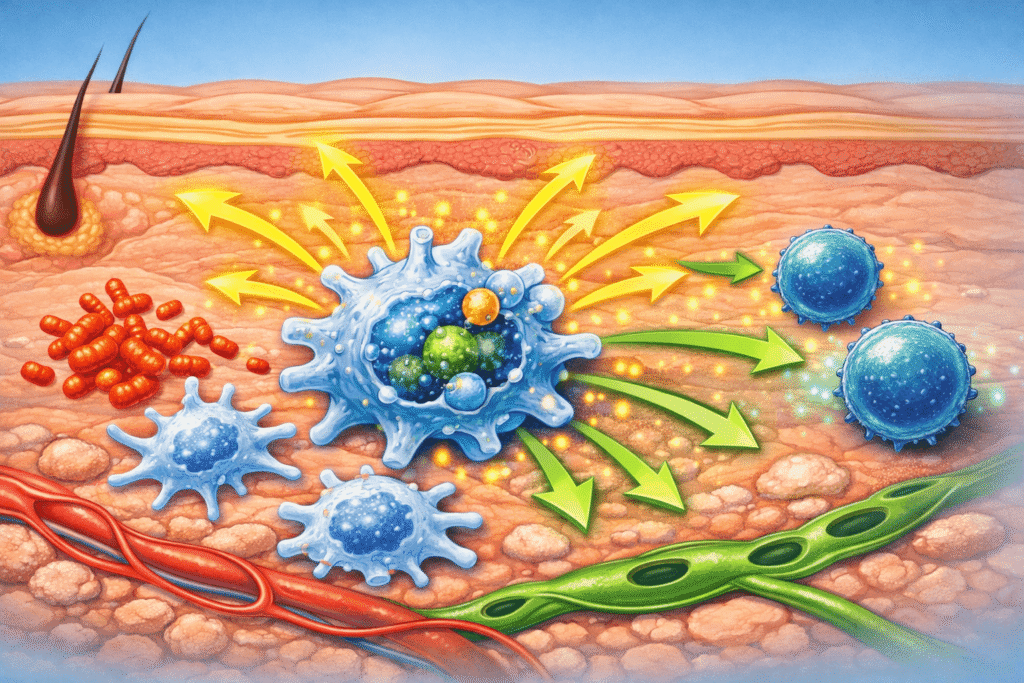
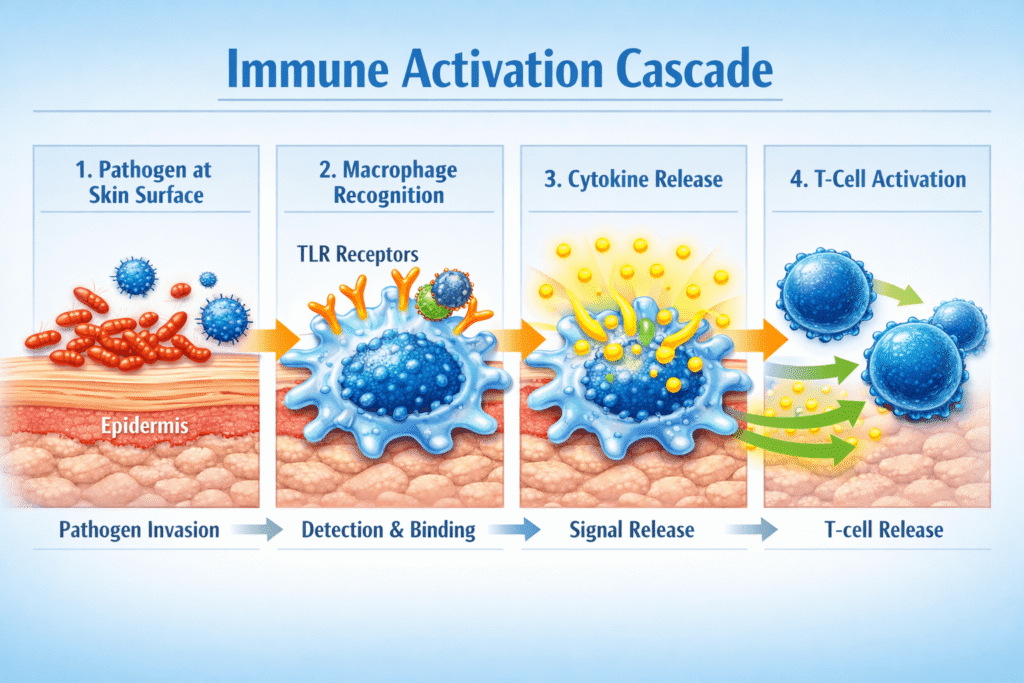
Here’s where it gets fascinating: skin macrophages that help activate the immune system don’t work alone. When a pathogen (virus, bacteria, or foreign particle) breaches your skin barrier, macrophages are among the first to encounter it. They immediately recognize the invader through pattern recognition receptors think of these as biological “threat detectors” that identify common pathogen markers.
Once they spot a threat, macrophages don’t just destroy the pathogen. They also send out chemical signals (called cytokines) that alert other immune cells to the danger. This is the key activation mechanism. By releasing interleukins and TNF-alpha, macrophages essentially sound the alarm, saying: “Attention, immune system we have a threat here.”
This cascading response is what separates an effective immune reaction from a sluggish one. Without healthy, active skin macrophages that help activate the immune system, your body might not mount a strong defense quickly enough.
How Skin Macrophages Activate the Immune System: The Molecular Communication
Pathogen Recognition: The First Detection
The process starts with detection. Your skin is exposed to countless microorganisms daily—most harmless, some not. Macrophages have evolved sophisticated sensors on their surface called toll-like receptors (TLRs). These receptors recognize pathogen-associated molecular patterns (PAMPs) basically, signatures unique to bacteria, viruses, and fungi.
When a macrophage’s receptors bind to these patterns, it’s like a key fitting into a lock. The macrophage immediately “knows” something foreign is present. This recognition is incredibly fast often within seconds. That’s the power of having skin macrophages that help activate the immune system stationed right in your skin rather than circulating in blood.
Cytokine Release and Inflammation: The Communication Network
Once a macrophage detects a threat, it releases cytokines chemical messengers that travel through tissues and bloodstream. Key players include:
- TNF-alpha (Tumor Necrosis Factor-alpha): Triggers inflammation and activates other immune cells
- Interleukin-6 (IL-6): Signals the body to increase immune response and body temperature
- Interleukin-12 (IL-12): Directs T-cells toward a more aggressive immune response
This release of cytokines is absolutely critical. Without it, your immune system wouldn’t “know” there’s an invasion happening. The presence of these signaling molecules is what converts a localized threat into a coordinated, body-wide immune response. This is precisely how skin macrophages that help activate the immune system escalate from individual defense to coordinated immunity.
T-Cell Activation: Building the Adaptive Response
Here’s where the immune system gets sophisticated. Macrophages don’t just kill pathogens they also process the invader’s proteins and present them to T-cells. T-cells are adaptive immune cells that remember specific threats and coordinate larger-scale responses.
When macrophages show T-cells what they’ve encountered, they’re essentially saying: “This is what we’re fighting. Remember this pattern.” The T-cells then multiply, specialize, and mount a targeted defense. This is why skin macrophages that help activate the immune system are so important they bridge innate and adaptive immunity. Without them, your body couldn’t build immunological memory or mount specific targeted responses.
The Skin Barrier & Immune Defense: A Unified System
Langerhans Cells and Macrophages: The Dynamic Duo
Most people think of the skin barrier as just physical protection a waterproof shield. That’s only half the story. Your skin is actually an immune organ, and macrophages work alongside specialized cells called Langerhans cells (also in the dendritic cell family).
While both cell types activate immune responses, they have slightly different roles. Langerhans cells are particularly good at capturing antigens and migrating to lymph nodes to educate T-cells. Macrophages, meanwhile, excel at immediate pathogen destruction and local inflammation. Together, they create a comprehensive immune defense network right at your skin’s surface.
This coordination is what allows skin macrophages that help activate the immune system to be so effective. They’re not operating in isolation they’re part of an integrated system designed by evolution over millions of years.
Continuous Immune Surveillance: The Never-Ending Patrol
Your skin macrophages don’t take breaks. Even when you’re healthy and nothing’s attacking, these cells are constantly patrolling, sampling the environment, and maintaining what immunologists call “surveillance.” They’re looking for anything out of place unusual proteins, dead cells, or microbial signatures.
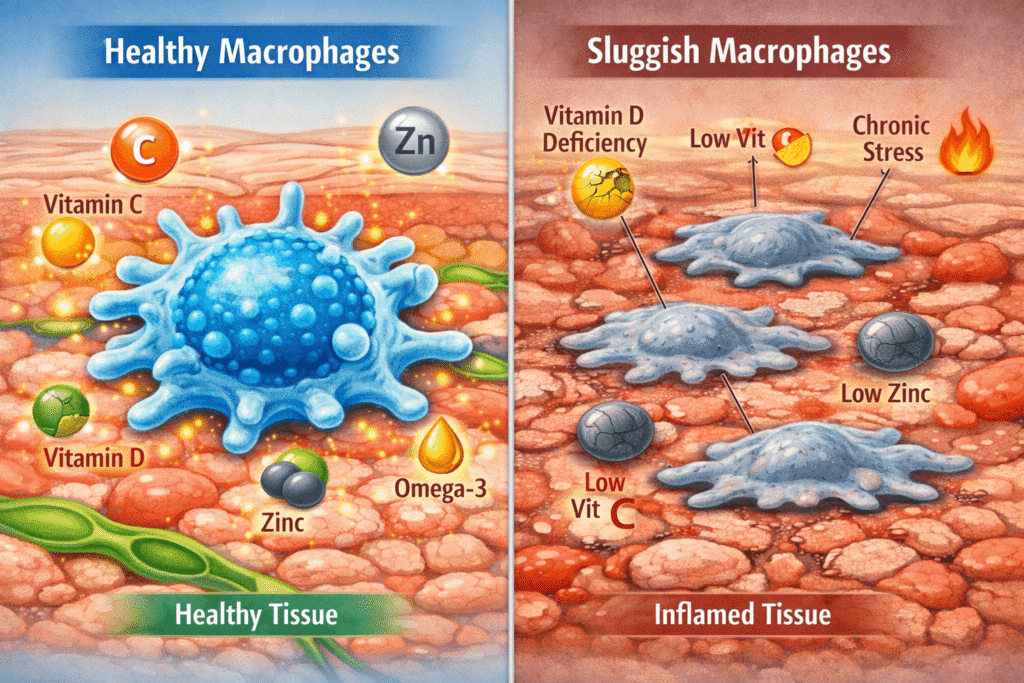
This continuous monitoring is why maintaining macrophage health is crucial. When you’re stressed, sleep-deprived, or nutritionally deficient, macrophage function declines. They become less alert, less responsive. Understanding this helps explain why people under high stress seem to catch more infections. Their skin macrophages that help activate the immune system aren’t operating at full capacity.
Supporting Healthy Macrophage Function: Nutrition and Lifestyle
The Nutritional Foundation
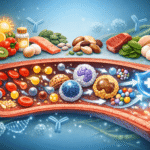
Your macrophages need specific nutrients to function optimally. Here are the key players:
Vitamin D: Often called the “immune vitamin,” vitamin D receptors are found on macrophages. Research shows that vitamin D deficiency impairs macrophage activation and increases infection risk. A 2022 study in Nutrients found that individuals with adequate vitamin D had more robust macrophage responses to respiratory pathogens.
Zinc: This mineral is a co-factor for multiple enzymes involved in macrophage function. Zinc deficiency leads to reduced macrophage numbers and impaired antimicrobial activity. You need consistent dietary zinc to maintain healthy immune surveillance.
Selenium: Selenoproteins (selenium-containing proteins) regulate macrophage inflammatory responses. They prevent excessive inflammation while supporting necessary immune activation. Selenium-deficient individuals show impaired macrophage function and increased susceptibility to infections.
Vitamin C: Macrophages accumulate vitamin C at concentrations much higher than in blood. This water-soluble antioxidant protects these cells from oxidative damage during immune activation and enhances their antimicrobial capacity.
Omega-3 Fatty Acids: These polyunsaturated fats modulate macrophage responses, helping prevent excessive inflammation while maintaining immune effectiveness. They’re foundational to proper cell membrane function—including macrophage membranes.
The key insight here: skin macrophages that help activate the immune system require consistent, comprehensive nutrition. It’s not about one “superfood”—it’s about dietary consistency.
Lifestyle Factors That Matter
Beyond nutrition, several lifestyle factors directly impact macrophage function:
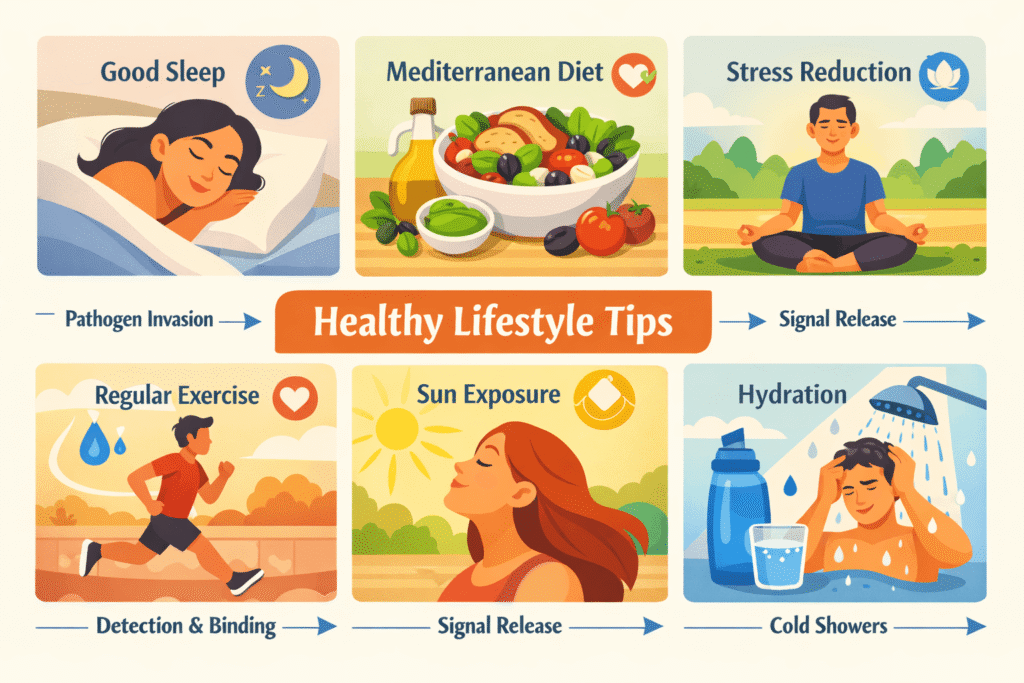
Sleep Quality: During deep sleep, your immune system upregulates. Macrophage production increases, and their ability to recognize and respond to threats improves. Sleep deprivation is one of the fastest ways to compromise immune function. Aim for 7-9 hours consistently.
Stress Management: Chronic stress elevates cortisol, which dampens macrophage activity. Regular stress reduction—through meditation, exercise, or time in nature—keeps macrophages responsive and alert.
Regular Exercise: Moderate physical activity increases macrophage circulation and activation without causing excessive inflammation. The sweet spot is 150 minutes of moderate aerobic activity weekly.
Heat Exposure: Studies show that mild heat stress (saunas, hot baths) may temporarily boost macrophage activity. While not a substitute for exercise or nutrition, it’s an interesting complementary strategy.
Products and Supplements to Support Immune Function
Supporting skin macrophages that help activate the immune system through quality supplementation can be valuable, especially if your diet has gaps. Here are three categories worth considering:
Immune-Supporting Multivitamins
Recommended: Vitamin D3 + Zinc Complex Supplements
- Why it works: Provides concentrated doses of the two nutrients most commonly deficient in adults
- What to look for: At least 2000-4000 IU vitamin D3 (cholecalciferol form) and 15-30 mg zinc
- Affiliate example placeholder: [Link to high-bioavailability multivitamin]
- Real insight: Many people underestimate zinc needs, especially those over 50 or with limited animal protein intake
Specialized Immune Formulas
Recommended: Macrophage-Supporting Blends
- Why it works: Combines selenium, vitamin C, and sometimes medicinal mushrooms (beta-glucans stimulate macrophage activity)
- What to look for: At least 100-200 mcg selenium, 500mg+ vitamin C, and verified mushroom extracts
- Affiliate example placeholder: [Link to immune-specific supplement]
- Real insight: Beta-glucans from mushrooms like reishi and maitake have clinical evidence for immune enhancement
Omega-3 Fish Oil
Recommended: High-Potency Fish Oil (EPA/DHA)
- Why it works: Provides omega-3s that your body cannot manufacture, essential for macrophage membrane health
- What to look for: At least 1000mg combined EPA/DHA per dose, third-party tested for purity
- Affiliate example placeholder: [Link to quality fish oil supplement]
- Real insight: Freshness matters—look for brands that use molecular distillation and store in opaque bottles
Comparison Table: Key Nutrients for Macrophage Support
| Nutrient | Recommended Daily | Best Food Sources | Supplement Dose | Primary Function in Immunity |
|---|---|---|---|---|
| Vitamin D3 | 2000-4000 IU | Fatty fish, egg yolks, sunlight | 2000-4000 IU | Enables macrophage pattern recognition |
| Zinc | 8-11 mg (F/M) | Oysters, beef, pumpkin seeds | 15-30 mg | Co-factor for immune enzymes |
| Selenium | 55 mcg | Brazil nuts, tuna, turkey | 100-200 mcg | Reduces macrophage oxidative stress |
| Vitamin C | 75-90 mg (F/M) | Citrus, berries, peppers | 500-1000 mg | Enhances macrophage antimicrobial activity |
| Omega-3 (EPA/DHA) | 250-500 mg | Salmon, sardines, walnuts | 1000-2000 mg | Supports macrophage membrane function |
Common Misconceptions About Macrophages and Immunity
Myth #1: More Inflammation = Stronger Immunity
Many people believe that if they’re not experiencing inflammation (redness, swelling, fever), their immune system isn’t working. This is dangerously inaccurate. Skin macrophages that help activate the immune system operate through precise, regulated inflammation. Excessive inflammation actually damages tissue and impairs immune function long-term.
The goal isn’t maximum inflammation it’s appropriate inflammation. Your macrophages are sophisticated enough to dial inflammation up or down based on the actual threat. Supporting this regulation through proper nutrition (especially anti-inflammatory nutrients like omega-3s) is more effective than trying to “boost” inflammation.
Myth #2: Boosting Immunity Prevents All Illness
Your immune system is remarkable, but it’s not infallible. Some pathogens are genuinely challenging to fight think influenza or COVID-19. The best-functioning skin macrophages that help activate the immune system can reduce severity and duration of illness, but won’t prevent 100% of infections.
What’s important: Supporting macrophage function improves your odds, not guarantees.
Myth #3: You Can “Supercharge” Immunity Quickly
There’s no shortcut. Macrophage function improves through consistent nutrition, sleep, exercise, and stress management over weeks and months not days. Anyone promising immediate immune boosting is overselling.
Practical Tips for Optimizing Skin Macrophage Function
1. Prioritize Sleep as Non-Negotiable Your immune system literally upregulates during sleep. Macrophage production increases, and existing macrophages become more responsive. Treat sleep like a performance-enhancing drug—because physiologically, it is.
2. Get Consistent Sun Exposure (Safely) Moderate sun exposure without burning increases vitamin D production, which directly activates macrophages. Aim for 15-30 minutes of midday sun several times weekly, depending on your skin type.
3. Include Collagen-Supporting Foods Your skin barrier integrity affects macrophage function. Foods rich in vitamin C, proline, and glycine (bone broth, citrus, berries) support collagen synthesis and skin health, giving your macrophages a better barrier to defend.
4. Adopt a Mediterranean-Style Diet This pattern high in vegetables, fish, olive oil, nuts provides most of the nutrients macrophages need. Studies consistently show Mediterranean diet adherence correlates with better immune function.
5. Manage Stress Intentionally Pick one stress-reduction practice and commit: meditation, yoga, walking, journaling. Consistency matters more than intensity. Even 10 minutes daily meaningfully improves macrophage responsiveness.
6. Stay Hydrated Lymphatic fluid (which macrophages patrol through) requires adequate hydration. Dehydration impairs immune surveillance. Aim for pale yellow urine as a hydration marker.
7. Practice Cold Exposure Cautiously Brief cold exposure (cold showers, ice baths) may stimulate macrophage activity. However, this is stress-inducing and unnecessary if other factors are optimized. Only explore this after mastering sleep and nutrition.
FAQs: Your Questions About Skin Macrophages and Immune Activation
Q1: Can you actually improve macrophage function, or is it genetically fixed?
A: You can absolutely improve it. While genetics influence baseline macrophage capacity, lifestyle and nutritional factors create significant improvements. Studies show that individuals who optimize sleep, exercise, and nutrition demonstrate measurably enhanced macrophage responsiveness within 4-8 weeks. The most dramatic improvements come from addressing deficiencies (vitamin D, zinc, selenium) and consistency. Your genetics set a ceiling, but most people operate well below that ceiling due to lifestyle factors. Skin macrophages that help activate the immune system are genuinely responsive to optimization.
Q2: How long does it take to see immune improvements after changing diet and lifestyle?
A: Initial improvements in macrophage function occur within 1-2 weeks if you’re correcting significant deficiencies. However, observable health benefits (fewer colds, faster wound healing) typically appear within 4-8 weeks of consistent implementation. The immune system requires patience you’re essentially retraining cellular responses that have been operating at a certain level, often for years. Don’t expect dramatic changes overnight, but consistent effort compounds significantly.
Q3: Are immune-boosting supplements necessary, or is diet enough?
A: For most people eating a reasonably balanced diet, targeted supplementation isn’t necessary, but it’s often beneficial. Here’s the practical assessment: If you eat fatty fish 2-3x weekly, get consistent sun exposure, and eat diverse vegetables, you likely don’t need supplements. If you live in a northern climate, follow a restricted diet, or have documented deficiencies, supplementation fills genuine gaps. Testing vitamin D and zinc levels (via blood work) gives you clarity. Supplementation isn’t magic, but it’s a reasonable insurance policy when lifestyle is solid.
Q4: Can stress actually suppress macrophage function, or is that just theoretical?
A: Stress absolutely suppresses macrophage function this is thoroughly documented science, not theory. Chronic stress elevates cortisol, which dampens macrophage production and responsiveness. People under high stress get sick more frequently, and this isn’t coincidence it’s biology. The recovery time is encouraging though: Studies show that implementing stress management practices restores macrophage function within 2-3 weeks. Even small reductions in stress create measurable immune improvements.
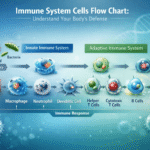
Q5: Is there a difference between innate immunity (macrophages) and adaptive immunity (antibodies)?
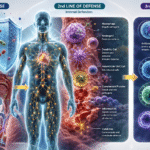
A: Yes, and understanding the difference clarifies why macrophages matter so much. Innate immunity (your macrophages, neutrophils, NK cells) responds immediately but non-specifically it attacks anything that looks foreign. Adaptive immunity (T-cells, B-cells) takes days to activate but is highly specific it “remembers” exact pathogens and targets them precisely. Skin macrophages that help activate the immune system are your innate immune system’s frontline troops, buying time while adaptive immunity mobilizes. This is why getting adequate sleep before viral exposure matters your innate immune system needs to function optimally while adaptive immunity ramps up.
A: Partially, yes. Macrophage function does decline with age they become less responsive, produce fewer immune signals, and show reduced antimicrobial capacity. However, this isn’t inevitable decline; it’s largely preventable through consistent lifestyle optimization. Older adults who maintain excellent sleep, exercise regularly, manage stress, and ensure nutritional adequacy show macrophage function closer to younger adults. The decline you see in cross-sectional studies (comparing 20-year-olds to 70-year-olds) reflects lifestyle differences more than inevitable aging.
Q7: Can probiotics actually support macrophage function?
A: Indirectly, yes. Probiotics support gut barrier function, and the gut is where 70% of your immune system resides. A healthy gut microbiome produces metabolites (butyrate, for example) that support macrophage development and function. However, the mechanism is gut-based, not direct. Simply taking probiotics without addressing sleep, stress, and nutrition won’t meaningfully improve skin macrophages that help activate the immune system. Probiotics are one piece of a larger lifestyle puzzle.
The Bottom Line: Why Understanding Your Macrophages Matters
Your immune system is astonishingly complex, but the fundamentals are simple: Skin macrophages that help activate the immune system form the foundation of your first-line defense. They detect threats faster than any other mechanism, trigger coordinated immune responses, and bridge your innate and adaptive immune systems.
The empowering part? You’re not powerless in supporting these cells. Consistent sleep, appropriate nutrition (especially vitamin D, zinc, selenium, vitamin C, and omega-3s), regular exercise, and stress management directly enhance macrophage function. These aren’t abstract health recommendations—they’re scientifically-proven methods to optimize the exact cells responsible for keeping you healthy.
Start with one area: maybe prioritize sleep this week, then add a nutrient-dense food next week. Small, consistent changes compound into genuinely better health. Your macrophages respond to that consistency.
The next time you avoid catching a cold going around your office, or a cut heals quickly, remember: your skin macrophages that help activate the immune system just did that for you. They were working silently, efficiently, doing exactly what millions of years of evolution designed them to do. Now you understand how.