Your Gut Is Running Your Immune System Here’s What to Feed It
If you’ve been feeling sluggish, catching every cold that passes through your office, or just never quite feeling well, the answer might be sitting in your kitchen or noticeably absent from it.
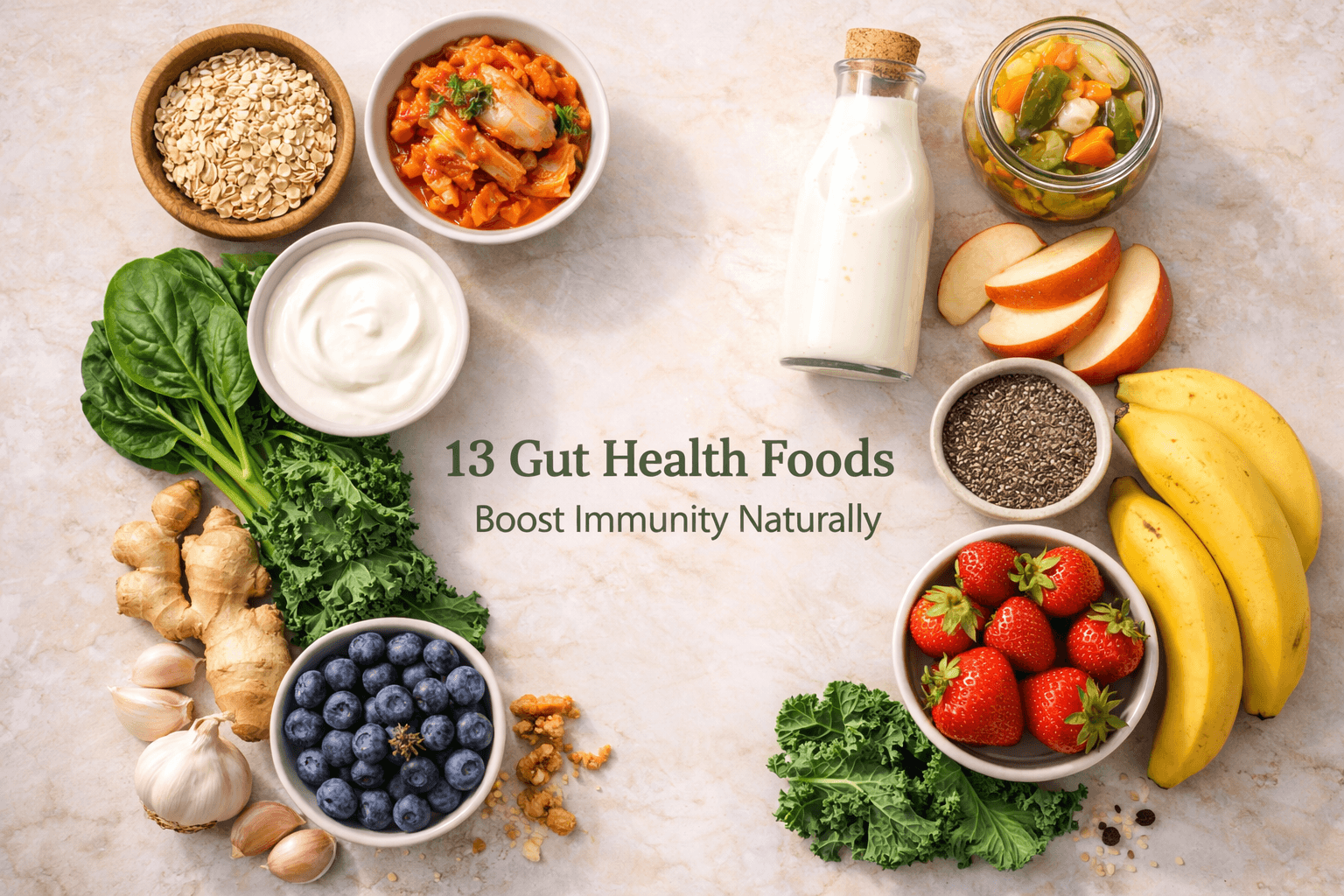
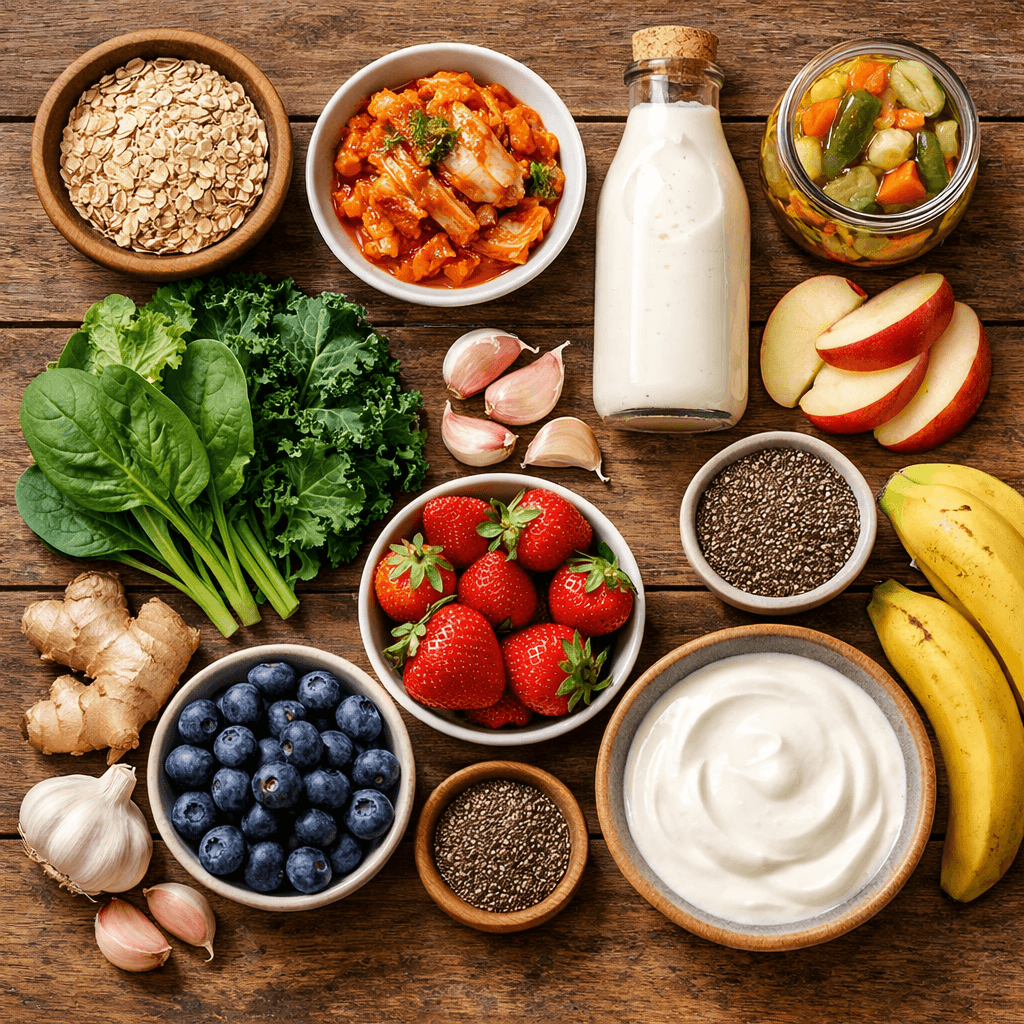
Here’s something most people don’t realize: roughly 70–80% of your immune system lives in your gut. That means what you eat isn’t just about energy or weight it’s directly dictating how well your body fights off infections, inflammation, and disease 13 Gut Health Foods to Boost Immunity Naturally.
I’ve spent years researching gut health and immunity, testing supplements, overhauling my own diet, and helping readers understand what actually works (versus what’s just clever marketing). In this guide, I’m sharing the 13 Gut Health Foods for Boost Immunity Naturally and fast — foods that are backed by science, easy to find, and genuinely transformative when you make them a consistent part of your lifestyle.
Whether you’re recovering from illness, trying to prevent one, or just want to feel sharper and more resilient every day, this list is your starting point.
Why Gut Health and Immunity Are Inseparable
Before we dive into the foods, it’s worth understanding why the gut matters so much immunologically.
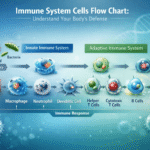
Your gut microbiome the trillions of bacteria, fungi, and other microorganisms living in your digestive tract acts as a training ground for your immune cells. A healthy, diverse microbiome teaches your immune system to distinguish between threats and harmless substances, reduces systemic inflammation, and produces compounds (like short-chain fatty acids) that directly regulate immune responses.
When the microbiome is out of balance (a state called “dysbiosis”), immune function tanks. You become more susceptible to pathogens, more prone to autoimmune flares, and more likely to experience chronic low-grade inflammation the silent driver behind most modern diseases.
The good news? Food is the most powerful lever you have to restore and maintain that balance. Let’s get into it.
The 13 Gut Health Foods to Boost Immunity Naturally Fast
1. Yogurt (With Live Active Cultures)
Yogurt is arguably the most accessible probiotic food on the planet. The live cultures — primarily Lactobacillus and Bifidobacterium strains directly seed your gut with beneficial bacteria.
What makes yogurt especially powerful for immunity is that these strains have been shown in multiple clinical studies to reduce the duration and severity of respiratory infections. One meta-analysis found that regular probiotic consumption (including yogurt) reduced the incidence of the common cold by up to 42%.
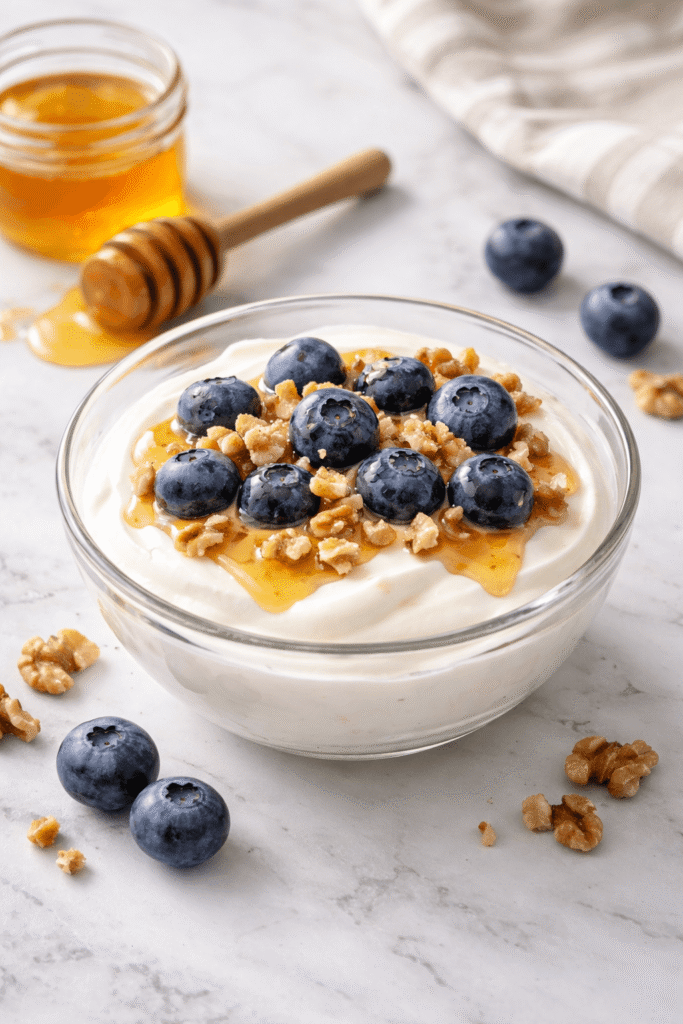
What to look for: Full-fat, plain yogurt with “live and active cultures” on the label. Avoid heavily sweetened varieties sugar is the enemy of gut balance.
Practical tip: Have a 150g serving daily. Add raw honey and blueberries for an extra antioxidant + prebiotic combo.
2. Kefir
Think of kefir as yogurt’s more powerful older sibling. This fermented milk drink contains anywhere from 10 to 34 distinct probiotic strains far more diversity than standard yogurt. More strain diversity = a more resilient microbiome.
Kefir also contains kefiran, a unique polysaccharide with demonstrated anti-inflammatory and antimicrobial properties. In one study, participants who drank kefir daily for eight weeks showed significantly improved markers of immune function compared to a control group.
My personal take: I switched from yogurt to kefir as my daily probiotic source and noticed clearer skin, better digestion, and fewer seasonal sniffles within about three weeks. It’s tangy, so mix it into smoothies if you’re not a fan of the flavor straight.
Affiliate Recommendation: If you can’t find quality kefir locally, organic, grass-fed kefir brands are worth seeking out at health food stores. Alternatively, consider a kefir starter culture kit so you can make your own at home it’s far cheaper per serving and fresher.
3. Kimchi
Kimchi is a Korean fermented vegetable dish (typically made with napa cabbage and radish) that is absolutely loaded with Lactobacillus kimchii and other beneficial bacteria. It also happens to be rich in vitamins C, K, and B6 all critical for immune function.
What makes kimchi special is the combination of fermentation plus the prebiotic fiber in the vegetables, which feeds beneficial bacteria long after the probiotics themselves have been established.
Studies have shown kimchi consumption to reduce inflammatory markers like CRP and IL-6, which are strongly linked to immune dysfunction and chronic disease.
How to use it: Add it as a side dish, stir it into rice or noodles, or layer it on eggs. Start with a small portion (2–3 tablespoons) if you’re new to fermented foods your gut needs time to adjust.
4. Sauerkraut
Similar to kimchi but milder, sauerkraut (fermented cabbage) is a European staple that deserves a permanent place in your fridge. A single serving can contain over a billion CFUs (colony-forming units) of beneficial bacteria.
Beyond its probiotic punch, sauerkraut is rich in vitamin C and K, and the fermentation process actually increases the bioavailability of these nutrients compared to raw cabbage.
Important: Always buy raw, unpasteurized sauerkraut from the refrigerated section. The jarred, shelf-stable versions have been heat-treated, which kills the beneficial bacteria. Brands like Wildbrine or Farmhouse Culture are excellent picks.
5. Garlic
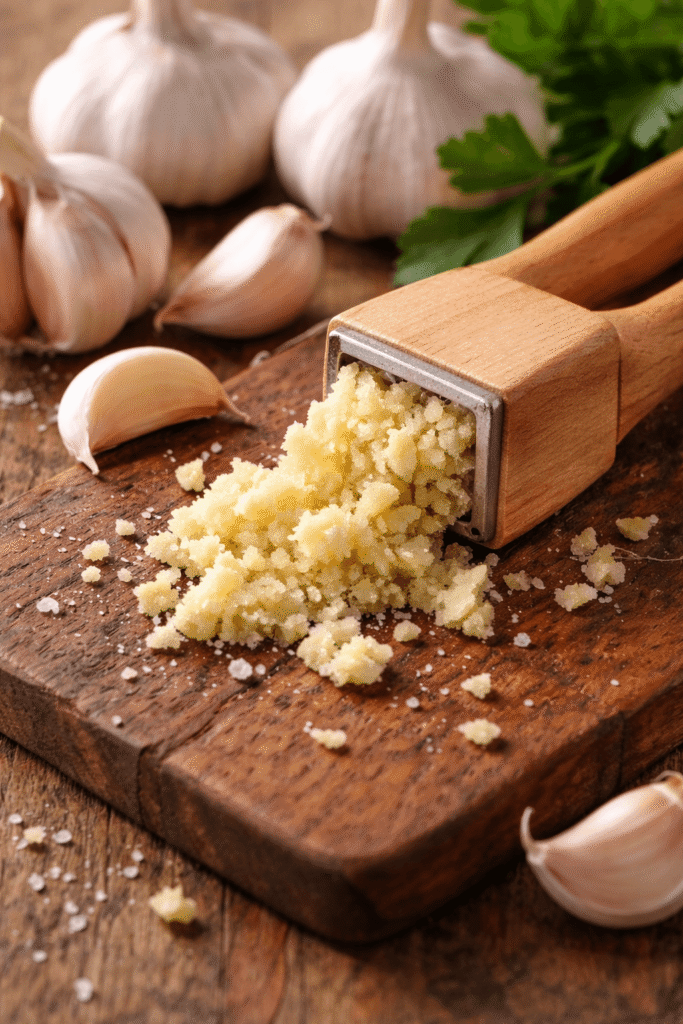
Don’t underestimate this humble bulb. Garlic contains allicin, a sulfur compound with potent antimicrobial and immune-stimulating properties. When garlic is crushed or chopped, allicin is released and it has been shown to directly inhibit the growth of bacteria, viruses, and fungi.
A landmark double-blind study published in Advances in Therapy found that participants who took a daily garlic supplement had significantly fewer colds over a 12-week period, and those who did get sick recovered 70% faster.
Garlic also acts as a prebiotic it feeds Lactobacillus and Bifidobacterium species already present in your gut, helping them thrive.
Practical tip: Let crushed garlic sit for 10 minutes before cooking to maximize allicin formation. Add raw garlic to salad dressings for the most potent immune effect.
6. Ginger
Ginger is one of the most studied natural anti-inflammatory and immune-supporting foods. Its active compound, gingerol, has demonstrated antioxidant, anti-inflammatory, and antimicrobial effects across hundreds of peer-reviewed studies.
From a gut health perspective, ginger helps stimulate digestion, reduce intestinal inflammation, and support the integrity of the gut lining which is critical for preventing “leaky gut,” a condition where bacterial toxins escape into the bloodstream and trigger systemic immune overreaction.
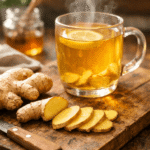
How to use it daily: Fresh ginger tea (boil 1-inch knob in 2 cups water for 10 minutes), add to smoothies, stir-fries, or soups. For concentrated benefits, a high-quality ginger supplement can be useful.
7. Miso
Miso is a Japanese fermented paste made from soybeans, salt, and a fungus called koji. Like other fermented foods, it’s rich in beneficial bacteria and enzymes. But it also contains isoflavones plant compounds with documented immune-modulating effects.
A 2018 study in the Journal of Nutritional Biochemistry found that regular miso consumption was associated with reduced systemic inflammation and enhanced NK (natural killer) cell activity your body’s first-line immune defense against viruses and tumor cells.
How to use it: Dissolve a tablespoon in warm (not boiling) water to make instant miso soup. Never boil miso heat destroys the probiotics. Add it to salad dressings, marinades, and stir-fry sauces.
8. Tempeh
Tempeh is fermented soybean cake originating from Indonesia and is one of the best plant-based probiotic sources available. Unlike tofu, the fermentation process partially breaks down the soy protein, making it dramatically more digestible and nutrient-bioavailable.
It’s also an exceptional source of zinc a mineral absolutely essential for immune cell development and signaling. Low zinc status is directly correlated with increased susceptibility to infections, and zinc deficiency is surprisingly common in the modern diet.
Pro tip for vegans and vegetarians: Tempeh is one of the few plant foods with complete protein and probiotic benefit it’s a nutritional powerhouse for gut-immune health without animal products.
9. Bone Broth
Bone broth has had a massive resurgence in the wellness world, and for good reason. Simmering animal bones for 12–24 hours releases collagen, glutamine, glycine, and gelatin compounds that directly support the integrity of the intestinal lining.
A healthy gut lining is like a secure border it lets nutrients through while keeping pathogens out. Glutamine in particular is the preferred fuel of intestinal epithelial cells and has been shown to reduce intestinal permeability (leaky gut) in clinical settings.
My recommendation for busy people: High-quality packaged bone broth can be a game-changer if you don’t have time to make your own. Look for brands that are certified organic, from grass-fed sources, and have a gel-like consistency when cold (that’s the collagen).

10. Leafy Greens (Spinach, Kale, Swiss Chard)
Dark leafy greens are the unsung heroes of gut-immune health. They contain a unique type of sugar molecule called sulfoquinovose that specifically feeds beneficial Lactobacillus bacteria in the gut acting as a highly targeted prebiotic.
Beyond that, leafy greens are rich in folate, vitamin C, and beta-carotene all of which support T-cell production and antibody response. Spinach, kale, and chard also contain lutein and other phytonutrients with potent anti-inflammatory effects.
Practical tip: Lightly steam or sauté kale to reduce oxalates while retaining nutrients. Add a handful of spinach to daily smoothies you genuinely cannot taste it, and you get enormous nutritional benefit.
11. Blueberries
Few foods pack as much immune-supporting antioxidant power into such a small package. Blueberries are extraordinarily rich in anthocyanins the purple pigments that act as potent free-radical scavengers and have demonstrated anti-inflammatory effects in both in vitro and human studies.
From a gut perspective, new research is revealing that anthocyanins and the polyphenols in blueberries act as prebiotics they selectively feed Bifidobacterium and Lactobacillus species while inhibiting pathogenic bacteria like E. coli and Salmonella.
Daily use: A half-cup of fresh or frozen blueberries daily is enough to produce measurable gut microbiome shifts within two weeks, according to a 2020 clinical trial.
12. Garlic’s Partner: Onions (Prebiotic Powerhouse)
Onions deserve their own spot on this list. They’re one of the richest dietary sources of fructooligosaccharides (FOS) and inulin two types of prebiotic fiber that specifically nourish the beneficial bacteria already living in your gut.
Think of probiotics as seeds and prebiotics as water and fertilizer. Without adequate prebiotic fiber, even the best probiotic supplement won’t help much because the bacteria have nothing to feed on.
Raw onions have the highest prebiotic content, but even cooked onions retain meaningful amounts. Red onions also contain quercetin a potent anti-inflammatory flavonoid that has been shown to reduce histamine response and modulate immune activity.
13. Green Tea
Green tea closes this list with a compound that bridges gut health and immune function: EGCG (epigallocatechin gallate), the primary catechin in green tea. EGCG has been shown to promote the growth of beneficial gut bacteria, reduce intestinal inflammation, and directly inhibit the replication of several viruses, including influenza strains.
Green tea also contains L-theanine, an amino acid that promotes the production of regulatory T-cells immune cells that prevent overreaction (the root cause of allergies and autoimmune conditions).
Practical tip: Drink 2–3 cups daily, brewed at 80°C (not boiling) to preserve catechin content. If you’re sensitive to caffeine, matcha (powdered green tea) mixed in the morning with oat milk is a smoother alternative.
Pros and Cons of Using Food to Boost Immunity Through Gut Health
Pros:
- No side effects compared to synthetic supplements
- Synergistic benefits whole foods contain hundreds of bioactive compounds working together
- Sustainable long-term health improvements
- Cost-effective compared to many supplement regimens
- Positively impacts multiple health systems simultaneously (gut, brain, skin, immunity)
Cons:
- Slower to see results than pharmaceutical interventions
- Requires consistent habits, not just occasional use
- Fermented foods can cause temporary bloating in people new to them
- Quality varies widely organic, minimally processed sources matter enormously
Step-by-Step Guide: Building a Daily Gut-Immune Routine
Morning:
- 1 cup green tea or matcha
- Smoothie with spinach, blueberries, 150ml kefir, and 1 tsp grated ginger
Midday:
- Large salad with leafy greens, raw onion, sauerkraut (2–3 tbsp) as a topping
- Soup with miso broth
Evening:
- Stir-fry using garlic, ginger, and tempeh or bone-broth-braised protein
- Kimchi or sauerkraut as a side
- Plain yogurt for dessert with a few blueberries
Consistency note: Most studies showing microbiome shifts use 4–8 week intervention periods. Give this routine at least 30 days before evaluating results.
Conclusion: Start With Your Gut, Transform Your Immunity
Your immune system is only as strong as the environment you create for it — and that environment starts in your gut. The 13 gut health foods covered in this guide aren’t trendy superfoods or expensive novelties. They’re time-tested, research-backed, and genuinely effective when used consistently.
Start by adding 2–3 of these foods to your daily diet this week. Build from there. Within 30–60 days, many people report fewer infections, better energy, clearer skin, and an overall sense of resilience they hadn’t felt in years.
Your gut is waiting. Feed it well.
👉 Ready to supercharge your gut health journey? Check out our top-recommended probiotic supplements and fermented food brands below: [ Probiotic Supplement Roundup, Kefir Starter Kit, Bone Broth Brand, Matcha Powder]

Frequently Asked Questions (FAQ)
1) How long does it take to see results from eating gut health foods for immunity?
Most people begin noticing digestive improvements less bloating, more regular bowel movements, better energy within 2–4 weeks of consistently incorporating fermented foods and prebiotic-rich vegetables. Immune changes (fewer colds, faster recovery) typically become apparent after 4–8 weeks, which aligns with the timeframe it takes for meaningful microbiome shifts to occur.
2) What are the best gut health foods to boost immunity quickly?
If speed is the priority, focus on kefir, kimchi, sauerkraut, and raw garlic these have the most direct and rapid influence on both gut microbiome composition and immune activity. Bone broth is also worth adding if gut lining integrity is a concern, as it works relatively quickly to reduce intestinal permeability.
3) Can gut health foods replace probiotic supplements?
For most healthy adults, whole food sources of probiotics (kefir, yogurt, kimchi, miso) are sufficient and often superior to supplements because they provide fiber, vitamins, and minerals alongside the live cultures. Supplements are most useful in specific situations: after antibiotic use, during travel, or when diagnosed with specific microbiome imbalances. Always consult a healthcare provider for personalized guidance.
4) Are fermented foods safe to eat every day?
Yes — for the vast majority of people, daily consumption of fermented foods is not only safe but actively beneficial. Some people new to fermented foods experience temporary bloating or gas as their microbiome adjusts. This typically resolves within 1–2 weeks. People with histamine intolerance or SIBO (small intestinal bacterial overgrowth) should introduce these foods cautiously and consult a practitioner.
5) What gut health foods are best for a weakened immune system?
For a significantly weakened immune system (from illness, stress, or post-antibiotic use), prioritize kefir (highest probiotic diversity), bone broth (gut lining repair), garlic (antimicrobial support), and blueberries (antioxidant + prebiotic effect). These four work synergistically to both repopulate beneficial bacteria and reduce the oxidative stress and inflammation that suppress immune function.
6) Is green tea good for gut bacteria and immunity?
Yes. Green tea’s EGCG has been shown to selectively promote the growth of Bifidobacterium and Lactobacillus species while inhibiting the growth of harmful bacteria. It also modulates immune cell activity, particularly in the gut-associated lymphoid tissue (GALT), which is where a large portion of your immune response is coordinated.
7) What foods should I avoid for better gut and immune health?
While adding the 13 foods above, it’s equally important to minimize: refined sugar (feeds pathogenic bacteria and suppresses white blood cell function), ultra-processed foods (disrupt microbiome diversity), artificial sweeteners (particularly saccharin and sucralose, which have been linked to microbiome dysbiosis), and excessive alcohol. Reducing these alongside increasing gut-healthy foods produces dramatically faster and more sustainable results.