Introduction
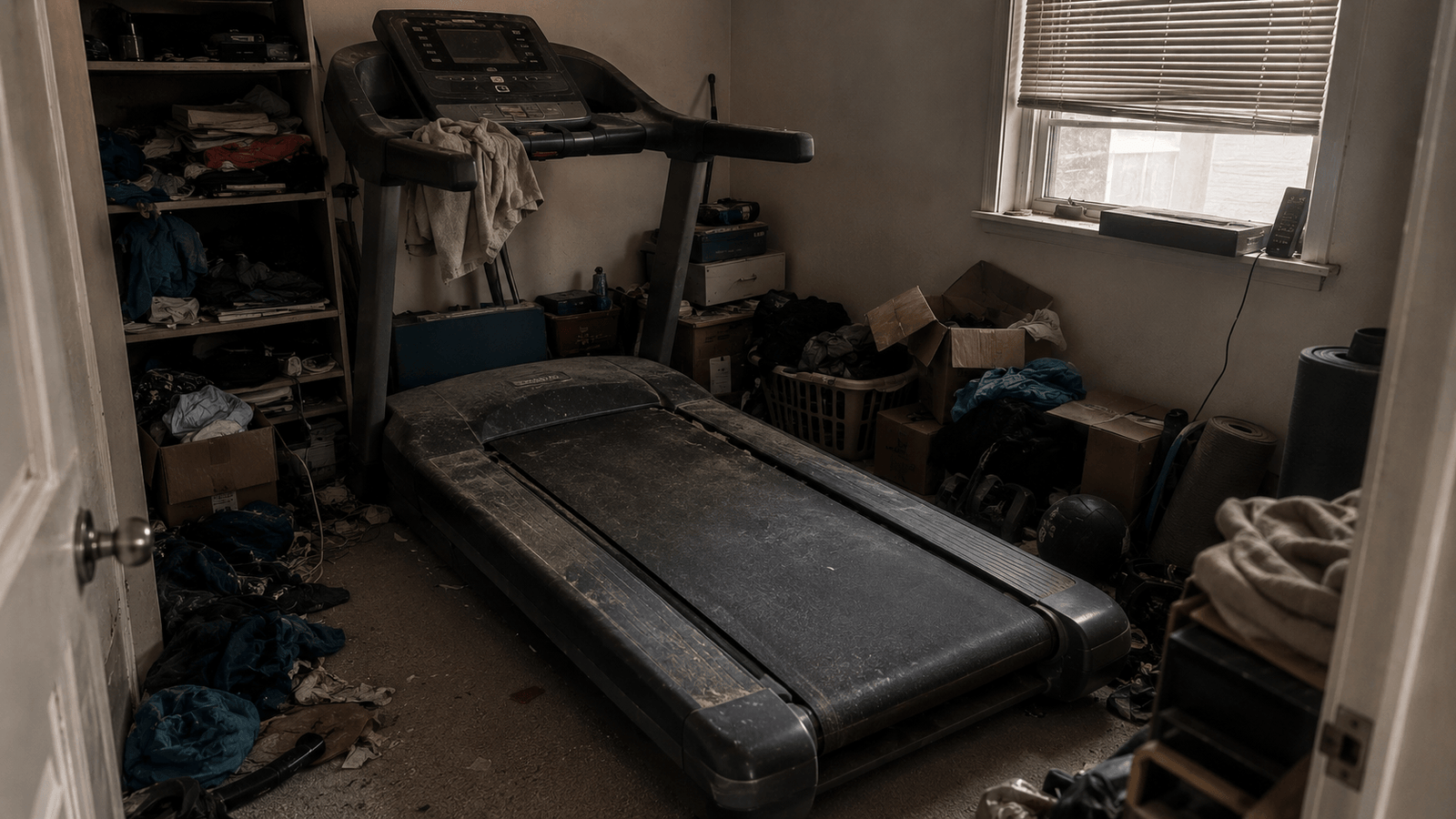
You know that feeling? You’re scrolling through Amazon at 11 PM, convinced that buying a treadmill is finally the answer to your fitness problems. Best Home Cardio Workout Equipment You picture yourself running every morning. So you pull the trigger, drop two grand, and six months later… it’s holding your laundry.
Buyer’s remorse is real, and it’s why so many people struggle with home cardio workout equipment. The problem isn’t the equipment itself it’s that most guides tell you what to buy without telling you if you should buy it, or more importantly, which one actually fits your life.
This isn’t a listicle of product links. This is the real talk about home cardio workout equipment: what works, what doesn’t, and why so many people end up with expensive dust collectors in their spare bedrooms.
The Real Problem With Home Cardio Workout Equipment
Here’s what nobody tells you: buying the most popular piece of home cardio workout equipment is usually a mistake.
Why? Because “best” is meaningless without context. The best treadmill for a 300-pound beginner is terrible for a competitive runner. A rowing machine that’s perfect for someone with a bad knee isn’t ideal for someone training for an endurance sport. And that elliptical everyone recommends? Totally useless if you hate how it feels.
The real issue: People default to treadmills because they’re familiar. They grew up seeing them in gyms. But familiarity doesn’t equal fit.
The second problem is space and setup. Home cardio workout equipment often sits in corners, collecting dust, because:
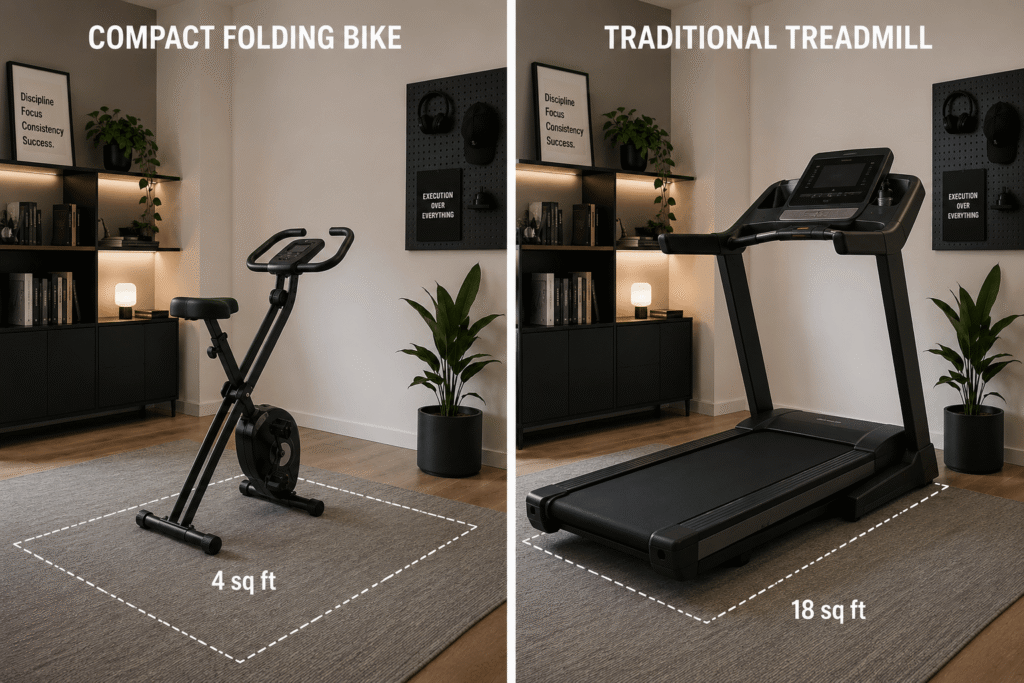
- It takes up 6x more room than people expected
- It requires more maintenance than anticipated
- It doesn’t integrate into their daily routine
- They didn’t test it first
How to actually fix this: Before you even look at specific equipment, answer three questions honestly:
- What’s your actual fitness goal? (weight loss, endurance, maintenance, competitive training)
- How much time can you realistically commit daily? (Not what you want to do—what you’ll actually do)
- What’s your space constraint? (Apartment bedroom? Home gym with dedicated room? Closet-size space?)
The Three Categories of Home Cardio Workout Equipment
Not all home cardio workout equipment does the same thing, and that matters more than people realize.
High-Impact Equipment: Treadmills
Treadmills are the workhorses of home cardio workout equipment. They’re familiar, effective, and they mimic running which most people instinctively understand.
Why they work: Running burns calories efficiently and strengthens bones because you’re supporting your own body weight. If your goal is weight loss or building cardiovascular endurance fast, a treadmill is still one of the best options.
Why they fail: They’re loud, they take up a ton of space, and honestly? Most people don’t like running every day. If you’re buying a treadmill assuming you’ll suddenly enjoy jogging 5 days a week, you’re setting yourself up for failure.
Also, they require a solid floor space and can be hard on joints if you have knee or ankle issues.
Who it’s actually for: People who genuinely enjoy running or walking, have dedicated floor space, and plan to use it 3+ times per week.
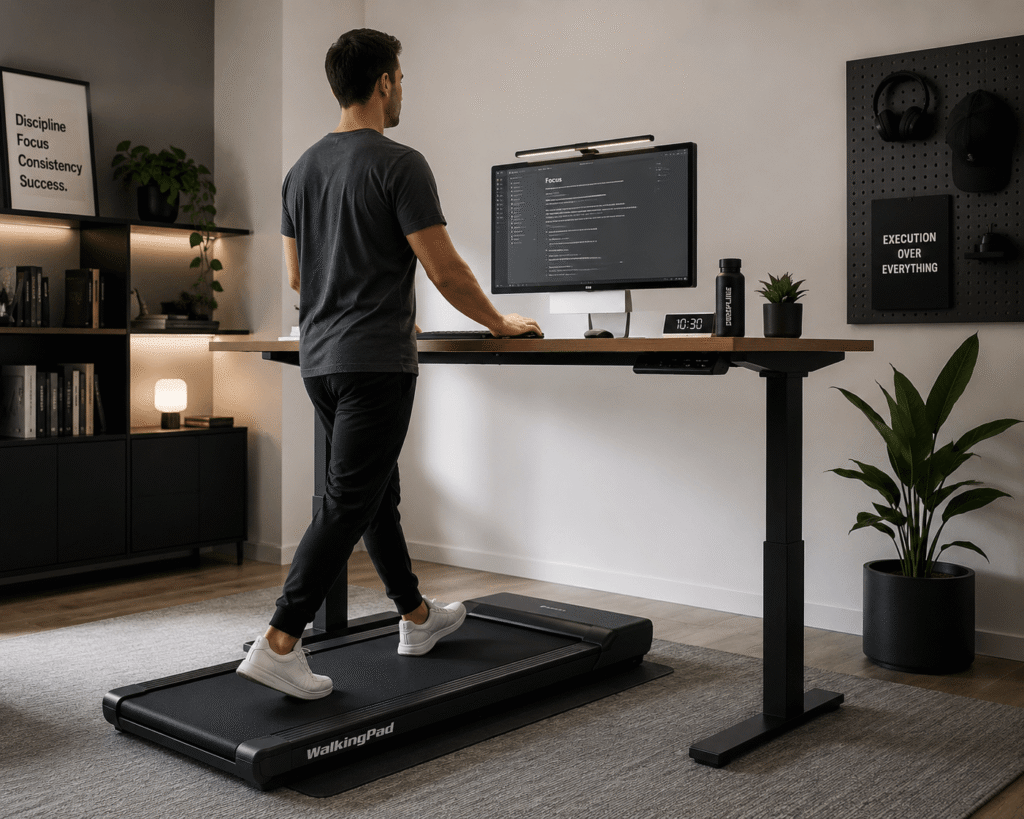
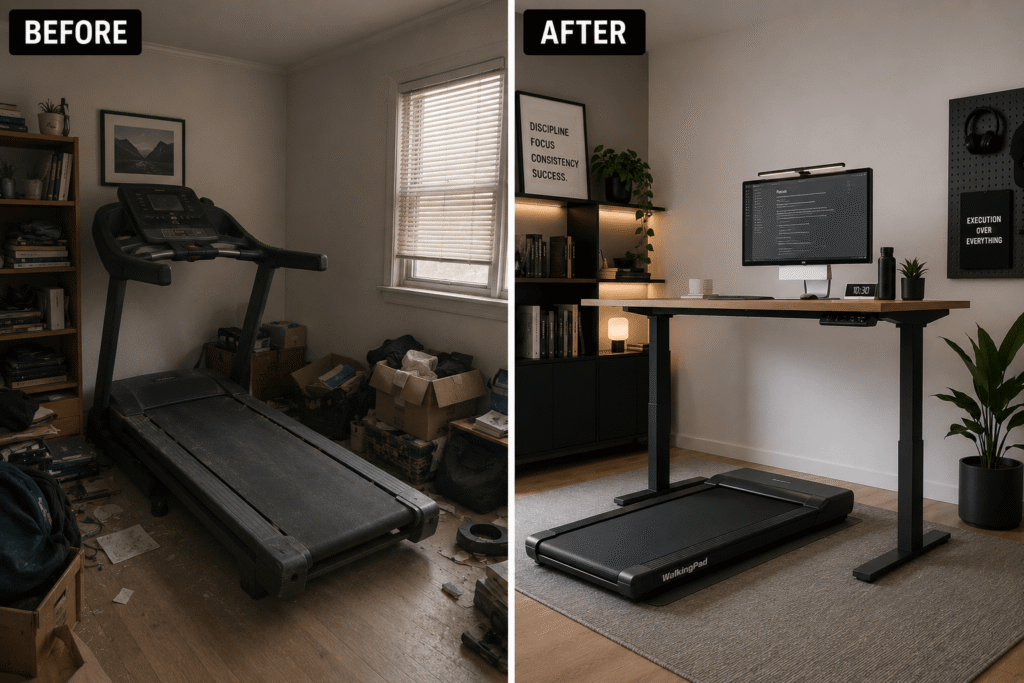
Pro setup tip: If you go this route, get a folding model or a walking pad instead. A folding treadmill reduces the footprint by 40%, and walking pads (like the WalkingPad C2) are so compact they literally fit under your bed. You’re more likely to use equipment that doesn’t dominate your room.
Low-Impact Equipment: Stationary Bikes & Rowing Machines
These are the quiet alternatives. Stationary bikes (especially indoor cycling bikes like Peloton clones) and rowing machines won’t disturb neighbors and they’re kinder to your knees.
Why stationary bikes work: Cycling is intuitive, adjustable, and you can multitask (read, watch shows). Plus, connected bikes offer community and structure through apps, which some people find motivating.
Why rowing machines work: Rowing hits almost every muscle group it’s basically a full-body cardio workout. No equipment gives you better bang-for-buck in terms of muscular engagement.
The honesty: Both are less effective for weight loss than running because they engage fewer muscles. But they’re more sustainable long-term because they feel easier and less boring.
Who it’s actually for:
- Bikes: People who want low-impact cardio, enjoy routine, and like the psychological boost of tracking metrics
- Rowing: People with some strength and coordination, who want a total-body workout in less time
Modern Home Cardio Workout Equipment Options Most People Miss
This is where the conversation gets interesting, because the home cardio workout equipment landscape has changed dramatically in the last two years.
Walking Pads are genuinely a game-changer if you have limited space. They fold to the size of a large laptop and sit under desks. The genius part? You’ll actually use them because they’re always visible and accessible. Walking burns fewer calories than running, but consistent low-intensity movement throughout the day beats sporadic high-intensity sessions that never happen.
Hybrid equipment is the underrated workhorse. Machines that combine rowing + cycling, or stair climbing + resistance training, eliminate the “I need six different machines” problem. If space is your constraint, hybrid equipment is smarter than any single machine.
Air bikes (like the Assault AirBike) are compact, extremely durable, and provide natural resistance progression—the harder you push, the more resistance you face. They’re less popular than treadmills, which means fewer people own them, which means less competition at home. Plus they’re legitimately fun once you get past the first week.
Rowers deserve their own mention because they’re probably the single most underrated home cardio workout equipment. A quality rowing machine costs $300-800, takes up less space than a treadmill, and provides better full-body engagement. The catch? The learning curve is real. Bad form feels awful. Good form feels amazing. Most people give up during week one.
The Cost-Benefit Reality Check: What You’re Actually Buying
Let’s talk money, because this is where most decisions go wrong.
A decent treadmill: $800-2000 A stationary bike: $400-1500 A rowing machine: $300-900 Walking pad: $150-400
But here’s what people don’t account for:
- Maintenance (treadmills need belt lubrication every few months)
- Replacement parts (belts, pedals, screens cost money)
- The opportunity cost of a machine you don’t use
Real calculation: A $1200 treadmill that you use twice means you’re paying $600 per actual workout session. A $400 walking pad you use 5 days a week for a year means you’re paying maybe $1.50 per session.
The cheaper equipment you actually use beats expensive equipment that collects dust, every single time.
What you should actually budget for: Whatever equipment you choose, budget an additional $100-300 for a good mat or base. This reduces noise, protects your floor, and makes the equipment feel more “intentional.” Sounds silly, but intention drives consistency.
The Affiliate Products Worth Actually Buying
I’m going to be direct here: I’m recommending these because I’d buy them myself, not because they have the highest commission rates.
1. WalkingPad A1 Pro
Why: If you have limited space and inconsistent time commitment, this wins. It’s small, nearly silent, and you can use it while working. It won’t get you the cardio burn of a treadmill, but you’ll actually use it, which matters more. The foldable design means it lives on your desk or under your bed, not dominating your room. Realistically, if you’ll use this 4+ days per week, get it. If you think you’ll run a separate treadmill 5 days a week, that’s fantasy—get this instead.
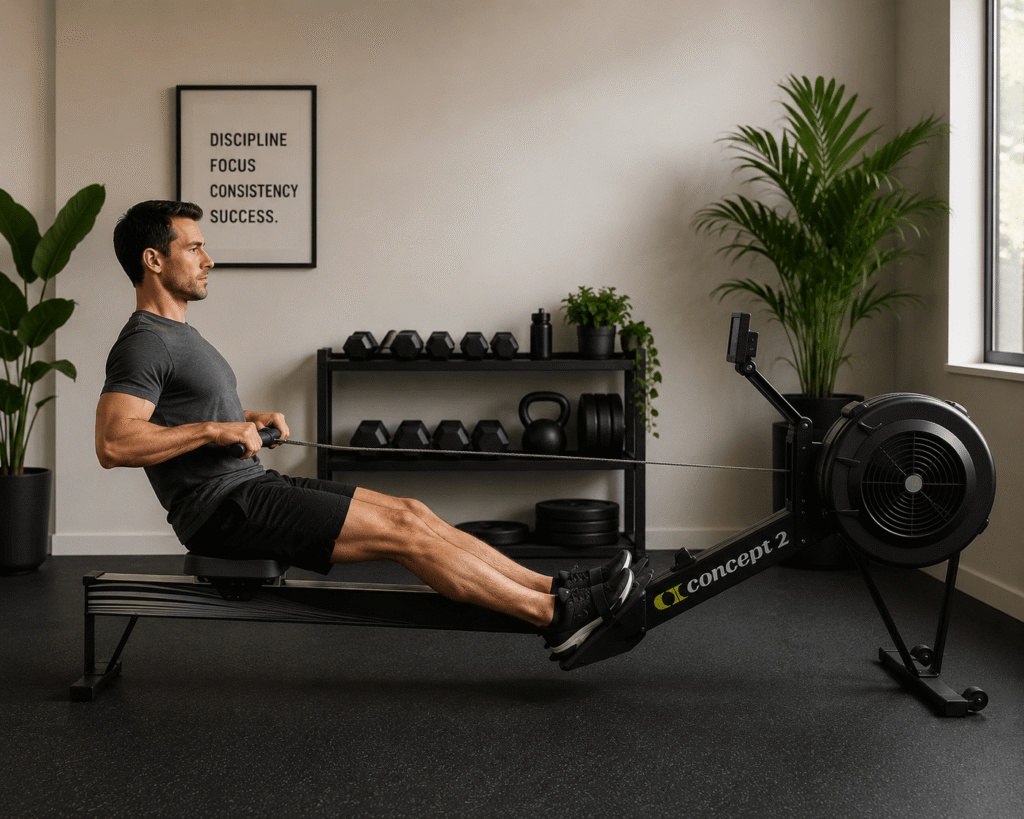
2. Concept2 Rowing Machine
Why: It’s expensive ($900+), but it’s THE machine that doesn’t depreciate. Owners keep them for 10+ years. It provides the most complete full-body cardio workout, takes minimal space, and is genuinely quiet. The damper system (air vs magnetic vs hydraulic) matters, but the Concept2 Model D is the standard. If you’re willing to commit to learning proper rowing form (YouTube videos, honestly), this ROI is better than any treadmill.
3. Sunny Health & Fitness Magnetic Exercise Bike
Why: You don’t need a $2000 Peloton to get results. A $300-500 magnetic exercise bike with a decent resistance range gives you 95% of the experience. No fancy screen, no community, but that means less distraction and lower maintenance. If you want structured workouts, pair it with YouTube classes (free) or Zwift ($15/month). The physics of the workout are identical.
Pros and Cons: The Honest Breakdown
Treadmills
- ✅ Familiar, burns calories quickly, strengthens bones
- ❌ Loud, large footprint, hard on joints, high maintenance, most people quit using them
Stationary Bikes
- ✅ Quiet, low-impact, works well with streaming, good for knees
- ❌ Less effective for weight loss, repetitive muscle engagement, boring for some
Rowing Machines
- ✅ Full-body engagement, compact, durable, quiet
- ❌ Learning curve is steep, bad form feels terrible, not for beginners with zero coordination
Walking Pads
- ✅ Ultra-compact, integrated into daily life, affordable, actually get used
- ❌ Lower calorie burn, not suitable for runners, less intense
Air Bikes
- ✅ Compact, natural resistance progression, extremely durable
- ❌ Loud, physically demanding, less intuitive than bikes or treadmills
How to Actually Use Your Home Cardio Workout Equipment
Buying the equipment is only 20% of the battle. Here’s how to actually use it:
1. Location Matters More Than You Think
Put your equipment in the room where you spend the most time. If it’s in a spare room, it becomes invisible. If it’s in your bedroom or living room? You see it constantly, which creates psychological pressure to use it.
2. Make It Part of Your Schedule, Not a Special Event
Don’t plan to “hit the home cardio workout equipment” like it’s a gym session. Instead, integrate it into existing time blocks:
- 10 minutes while coffee brews
- 15 minutes during work calls (walking pad)
- 20 minutes while watching Netflix
Accumulated time beats planned time. Always.
3. Lower the Activation Energy
This is psychological but critical. The best equipment is the one you don’t have to set up. No shoes to find, no settings to adjust, no app to open. Just sit down and go. (This is why walking pads win for most people.)
4. Track Something (But Not Obsessively)
You don’t need a fancy screen to track data. A simple note on your phone—”rode 15 min today” creates accountability. But don’t obsess over metrics. Movement consistency beats metric chasing.
FAQ: Home Cardio Workout Equipment Questions Answered
1. Is home cardio workout equipment worth the investment?
Only if you use it. A $400 machine you use 3x/week is worth $30 per session. A $2000 machine you use 2x/month is $250 per session. Start cheap, prove you’ll use it, then upgrade if you want.
2. What home cardio workout equipment is best for beginners?
Walking pads or stationary bikes. Both have zero learning curve, are forgiving on joints, and easy to quit if motivation drops. Rowing machines look simple but have a brutal learning curve avoid if you’re brand new to fitness.
3. Can you lose weight with home cardio workout equipment?
Yes, but consistency matters more than equipment type. 30 minutes on any cardio machine 4x/week beats buying the “perfect” treadmill and using it twice. The equipment is just the tool.
4. Does home cardio workout equipment need a lot of space?
Depends on the type. Walking pads and folding bikes need almost nothing. Treadmills and rowing machines need 6×8 feet minimum. Air bikes are compact but loud. Measure your actual space before you buy.
5. How often should you maintain home cardio workout equipment?
Treadmills: Every 3-6 months (belt lubrication, tension check). Bikes: Rarely (occasional chain cleaning). Rowing machines: Rarely (occasional damper check). Walking pads: Never. Maintenance requirements are another reason to avoid equipment you won’t use it becomes another chore.
6. What if I have joint pain or injuries?
Start with walking pads or stationary bikes both are gentle. Rowing machines are also low-impact but require good form. Treadmills are the worst for bad knees. Talk to a PT if you have serious joint issues before buying anything.
7. Should you buy used home cardio workout equipment?
For rowing machines and air bikes? Yes they don’t wear out. For treadmills and bikes with electronic components? Be cautious. Electronics fail, and repair costs are high. Inspect the screen, motor, and resistance system carefully.
The Reality: Most Home Cardio Workout Equipment Fails Because of One Thing
After all the specs and reviews, there’s one truth that matters: consistency beats perfection.
The best piece of home cardio workout equipment is the one you’ll actually use three times this week, not the one you’ll use perfectly once a month. A walking pad you use for 10 minutes daily beats a $3000 treadmill gathering dust.
The mistake most people make is treating home cardio workout equipment like an investment in their future self. But your future self isn’t going to want to run on a treadmill if your current self doesn’t. Buy for who you actually are, not who you want to become.
Final Thought: Start Small, Then Scale
Here’s the real strategy for home cardio workout equipment that actually works:
Month 1-2: Buy one cheap, simple piece ($150-400 range). A walking pad, a basic stationary bike, or even a jump rope. Use it every day, no exceptions.
Month 2-3: If you’re actually using it, you’ve earned the right to upgrade. If you’re not using it? You just saved yourself $1500 on equipment you’d never touch.
Most people get this backwards. They invest in the “perfect” setup first and hope motivation follows. It doesn’t work that way.
Start stupid cheap. Build the habit. Then invest in the equipment that fits that habit.