INTRODUCTION
Your immune system is like a fortress with multiple layers of security. Most people hear about the immune system and think of just one defense mechanism antibodies or white blood cells. But here’s the reality: your body has several stages of protection working 24/7, and the 2nd Line of Defence in Immune System is honestly where things get interesting.
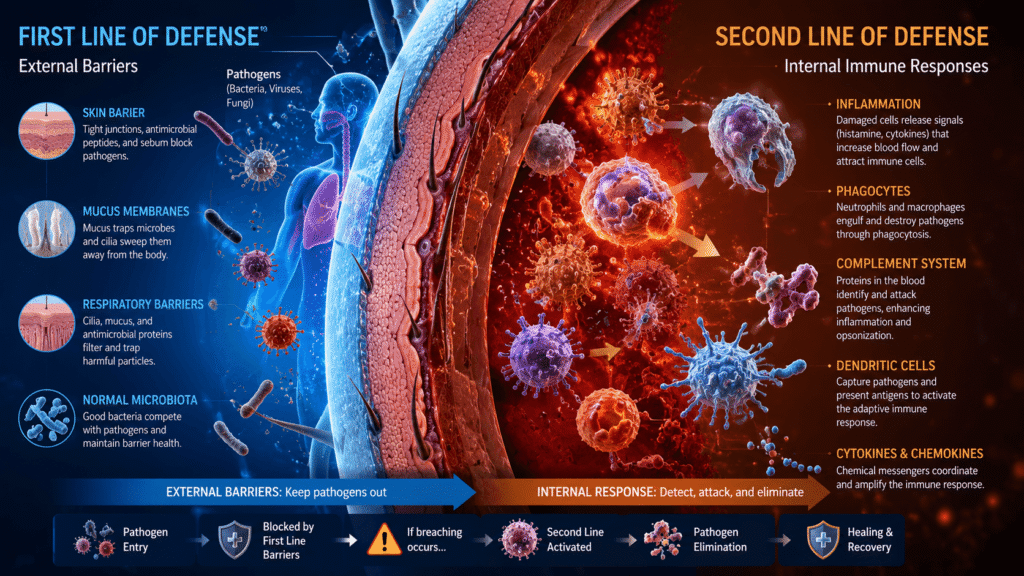
Unlike your first line of defense (skin, mucus, stomach acid basically your body’s bouncers at the door), the 2nd line of defence in the immune system kicks in when pathogens actually breach those initial barriers. This is where your body gets aggressive, deploying inflammatory responses, special white blood cells, and proteins designed to neutralize invaders before they can cause real damage.
In this guide, I’m breaking down exactly how the 2nd line of defence in the immune system works, what makes it effective, and most importantly how you can naturally strengthen this critical layer of protection. Whether you’re dealing with recurrent infections, slow recovery times, or just want to understand your body better, understanding your secondary immune response changes everything.
What Exactly Is the 2nd Line of Defence in the Immune System?
Let’s be clear about what we’re talking about. The 2nd line of defence in the immune system is essentially your body’s immediate inflammatory and cellular response to infection. It activates when a pathogen gets past your physical and chemical barriers—your skin, stomach acid, tears, and mucus.
This secondary response includes several components working simultaneously:
The Four Main Players in Your Secondary Immune Response
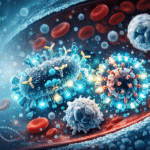
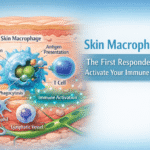
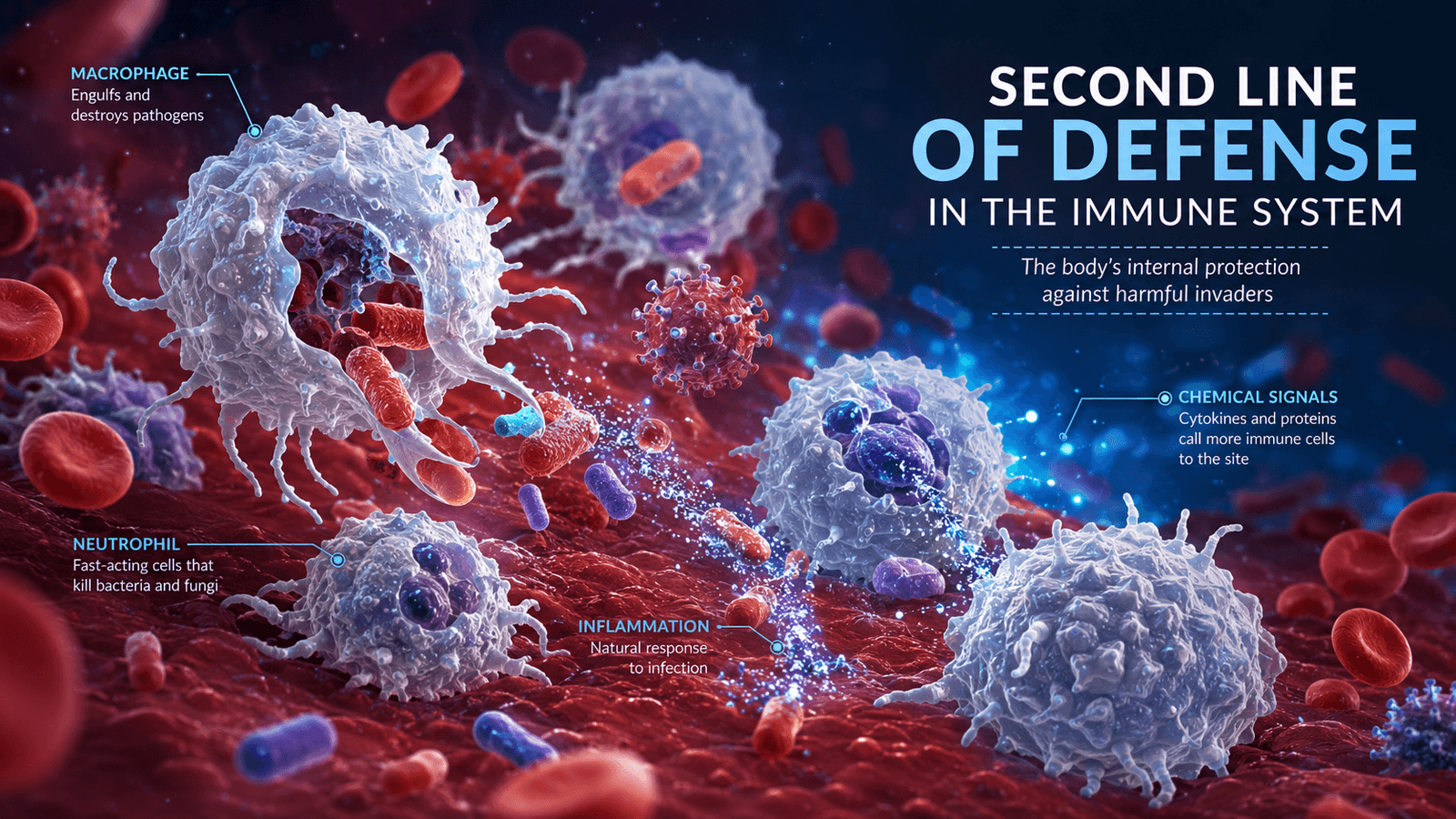
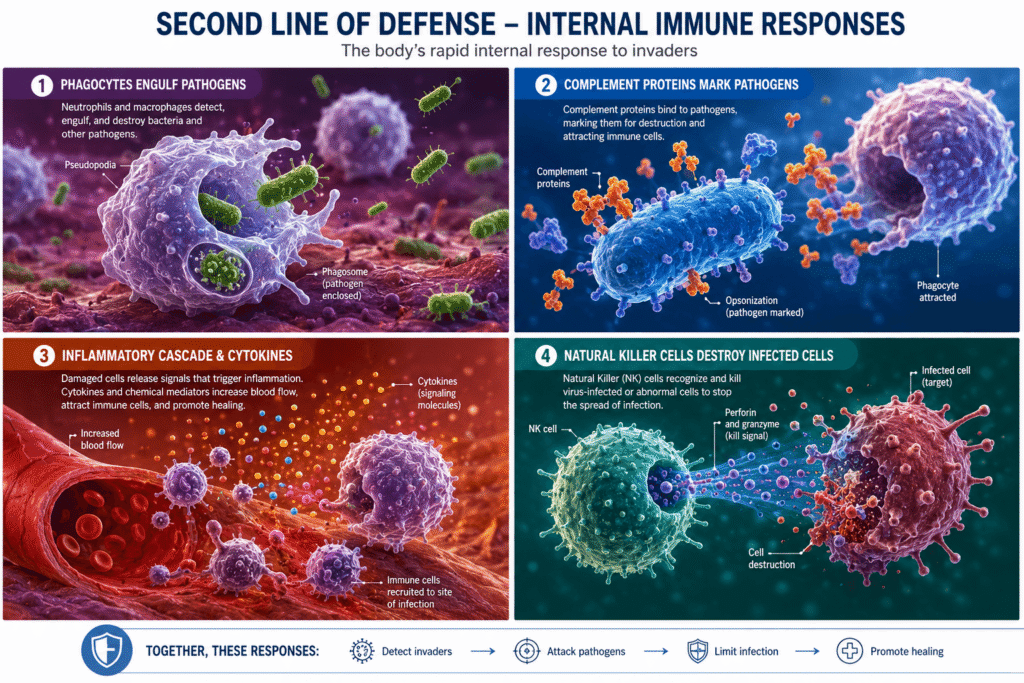
Phagocytes (Your Cleanup Crew) These are specialized white blood cells that literally eat invading microorganisms. Macrophages and neutrophils are the heavy hitters here they identify, engulf, and destroy bacteria, viruses, and dead cells. When you feel inflammation (that swelling, heat, and redness), phagocytes are actively working.
The Complement System (Your Protein Army) Think of this as chemical signals that mark pathogens for destruction and call in reinforcements. These proteins circulate in your blood and body fluids, punching holes in bacterial membranes and amplifying inflammatory responses. It’s sophisticated and efficient.
Inflammatory Response (The Alarm System) When tissue is damaged or invaded, your body releases chemicals like histamine and cytokines. These cause blood vessels to dilate, increase permeability, and trigger that characteristic swelling and heat. Inflammation isn’t the enemy it’s your body saying, “Problem detected, sending backup.”
Natural Killer Cells (Your Viral Assassins) These lymphocytes are programmed to recognize and kill virus-infected cells and certain cancer cells. Unlike other immune cells, natural killer cells don’t need prior sensitization they’re ready to go immediately.
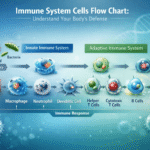
The 2nd line of defence in the immune system operates without needing previous exposure to a specific pathogen. This is why it’s considered your innate immunity your body instinctively knows how to respond.
How the 2nd Line of Defence in the Immune System Actually Works
Understanding the mechanics helps you appreciate why supporting this response matters. Here’s how it unfolds:
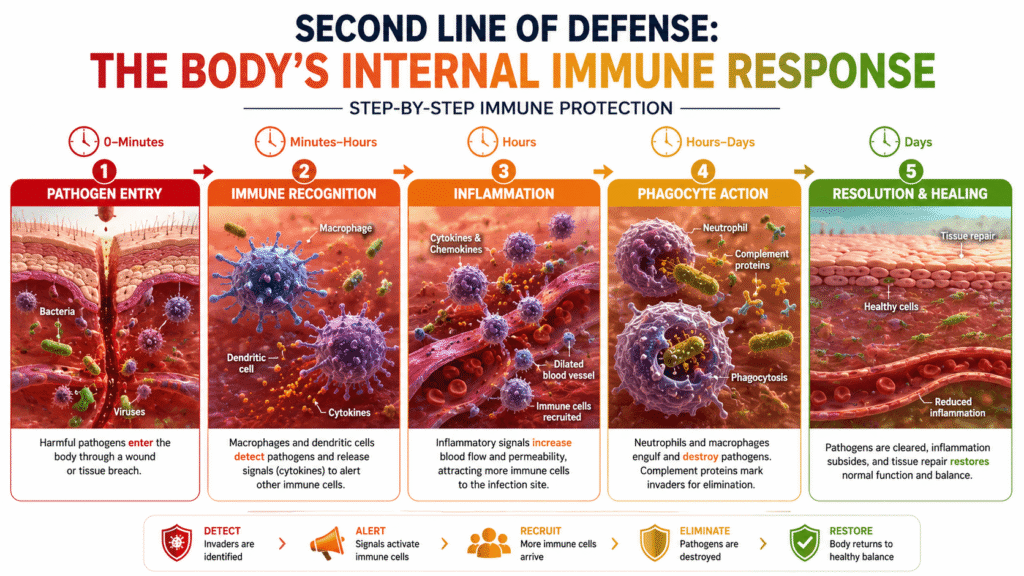
Step 1: Recognition Your body has pattern-recognition receptors (PRRs) that identify pathogen-associated molecular patterns (PAMPs). Basically, your immune cells recognize “foreign” molecular signatures that don’t belong in your body.
Step 2: Inflammation Initiation Once recognized, damaged tissues and immune cells release chemical messengers. This kicks off the inflammatory cascade—capillaries become more permeable, blood flow increases to the area, and immune cells get recruited.
Step 3: Cellular Response Phagocytes migrate to the infected area, following chemical signals like a trail of breadcrumbs. Neutrophils typically arrive first (within minutes), followed by macrophages. They engulf and destroy pathogens through a process called phagocytosis.
Step 4: Protein Involvement The complement system proteins tag pathogens and enhance the inflammatory response. They also create membrane attack complexes that directly damage pathogenic cells.
Step 5: Tissue Repair Once the threat is controlled, anti-inflammatory signals tell the 2nd line of defence in the immune system to stand down. The inflammatory response resolves, dead cells are cleaned up, and tissue repair begins.
This entire process typically takes hours to days, depending on the severity of infection.
Why Your 2nd Line of Defence in the Immune System Matters More Than You Think
Here’s something most people don’t realize: the 2nd line of defence in the immune system is literally what keeps minor infections from becoming major problems. Every single day, your body handles countless viral and bacterial exposures through this secondary response.
Without it, a simple cut could become sepsis. A cold could become pneumonia. A mosquito bite could become something worse.
The challenge is that modern life actively suppresses this response:
- Chronic stress reduces phagocyte effectiveness
- Poor sleep impairs inflammatory signaling
- Sedentary lifestyle decreases immune cell circulation
- Ultra-processed foods promote chronic, ineffective inflammation
- Overuse of antibiotics and antimicrobials prevents natural immune training
When the 2nd line of defence in the immune system is weak, you get:
- Recurring infections
- Slow wound healing
- Chronic inflammation
- Increased severity of typical illnesses
- Difficulty recovering from illness
The irony? Many people suppress their secondary immune response trying to reduce inflammation (popping anti-inflammatories constantly) without understanding that controlled, acute inflammation is exactly what you need.
Natural Ways to Strengthen Your 2nd Line of Defence in the Immune System
This is where things get practical. You can’t upgrade your immune system like software, but you can absolutely create conditions where it thrives. Here’s what actually works based on immune research and real experience:
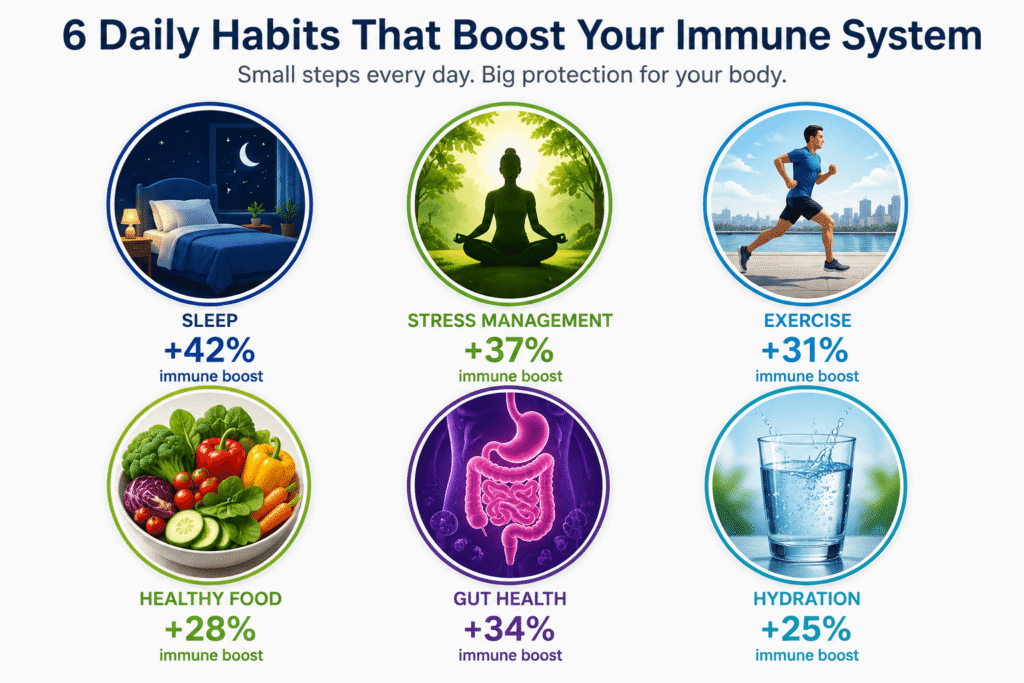
Sleep Is Non-Negotiable
Seriously. During deep sleep, your body increases cytokine production and optimizes immune cell distribution. Skimping on sleep literally reduces your phagocyte function by 25-50%. You need 7-9 hours consistently. The 2nd line of defence in the immune system is rebuilt and calibrated during sleep.
Action: Commit to a consistent sleep schedule. Same bedtime, same wake time. Your immune system runs on predictability.
Manage Stress Actively
Cortisol is the immune suppressor. Chronic stress keeps cortisol elevated, which reduces phagocyte effectiveness and inflammatory response. This is why stressed people get sick more often.
Practical stress management:
- Meditation (even 10 minutes daily)
- Walking in nature (seriously, it boosts NK cell activity)
- Breathing exercises (4-7-8 breathing before bed)
- Time with people you genuinely enjoy
- Activities that make you lose track of time
Move Your Body Regularly
Exercise increases immune cell circulation dramatically. You don’t need intense workouts—moderate movement (brisk walking, swimming, cycling) for 30 minutes, 4-5 days weekly is ideal. The 2nd line of defence in the immune system depends on good circulation.
Eat for Immune Function
Your microbiome directly influences your immune response. Specific foods support phagocyte function and healthy inflammation:
- Fermented foods (sauerkraut, kimchi, miso): Gut bacteria produce metabolites that enhance immune cell training
- Polyphenol-rich foods (berries, dark chocolate, green tea): These molecules support the complement system and reduce excessive inflammation
- Omega-3 rich foods (salmon, walnuts, flaxseed): Essential for maintaining cell membrane integrity in immune cells
- Allium vegetables (garlic, onions): Contain compounds that enhance phagocyte activity
- Vitamin C foods (citrus, kiwi, bell peppers): Required for collagen synthesis in tissue barriers and immune cell function
- Zinc-rich foods (oysters, pumpkin seeds, beef): Zinc is critical for immune cell proliferation and function
Keep it simple: Focus on whole foods, mostly plants, with quality protein and healthy fats. Avoid ultra-processed foods that promote chronic, ineffective inflammation.
Support Gut Health
Your gut is where a massive portion of immune system training happens. Your gut barrier (the intestinal lining) is part of your first line of defense, but the immune cells residing in your gut are absolutely crucial for calibrating the 2nd line of defence in the immune system.
How to support gut health:
- Eat diverse plants (aim for 30 different plant types weekly)
- Include fiber (feeds beneficial bacteria)
- Limit unnecessary antibiotics and antimicrobial products
- Manage inflammation through diet
- Consider a quality probiotic if you’ve had recent antibiotics
Stay Hydrated
Lymph fluid (which carries immune cells) requires proper hydration to circulate effectively. Dehydration impairs immune response. Aim for half your body weight in ounces of water daily, adjusted for activity and climate.
Product Recommendations: Supporting Your Immune Response Naturally
Based on what actually supports the 2nd line of defence in the immune system, here are products that have genuine research backing:
Vitamin D Supplement
Your immune cells have vitamin D receptors this nutrient is critical for phagocyte maturation and function. Most people are deficient, especially in winter months.
Why I recommend it: Vitamin D directly enhances the inflammatory response and immune cell function. If you live anywhere north of 35° latitude (or spend minimal time in sunlight), supplementation genuinely matters.
[High-quality Vitamin D3 supplement 4000-5000 IU daily]
Probiotics Designed for Immune Support
Not all probiotics are equal. Look for multi-strain formulas with research showing immune enhancement typically containing Lactobacillus and Bifidobacterium species.
Why it matters: These strains produce metabolites that train your gut-associated immune tissue, directly supporting immune cell function throughout your body. The 2nd line of defence in the immune system is substantially influenced by your microbiota.
[Multi-strain probiotic with prebiotic fiber]
Omega-3 Supplement (Fish Oil or Algae-Based)
Omega-3s are structural components of immune cell membranes. They also support the resolution phase of inflammation—preventing chronic inflammatory states.
Why it’s helpful: If you’re not eating fatty fish 2-3 times weekly, supplementation helps maintain optimal omega-3 levels for immune function.
[Molecularly distilled fish oil or algae-based omega-3]
Quercetin with Bromelain
Quercetin is a polyphenol that supports immune cell function; bromelain (from pineapple) enhances nutrient absorption and has its own anti-inflammatory properties.
Why I recommend combining them: This pairing supports natural inflammatory resolution and immune response calibration during recovery from infection.
[Quercetin + Bromelain combination supplement]
High-Quality Sleep Support (Magnesium Glycinate)
Most people are magnesium deficient. This mineral is essential for both immune function and sleep quality two pillars of a strong 2nd line of defence in the immune system.
Why glycinate specifically: It’s highly absorbable and doesn’t cause laxative effects. Take 300-400mg in the evening.
[Magnesium glycinate powder or capsules]
Pros and Cons of Actively Supporting Your Secondary Immune Response
Pros
✓ Fewer infections and faster recovery – When you strengthen the 2nd line of defence in the immune system, you experience noticeably fewer colds, flus, and infections. Recovery times drop dramatically.
✓ Better wound healing – The inflammatory response is essential for tissue repair. Supporting it naturally accelerates healing.
✓ Improved chronic inflammation – Paradoxically, supporting acute inflammatory responses often resolves chronic inflammation. Your immune system becomes more efficient.
✓ Enhanced energy levels – Much fatigue comes from chronic, ineffective immune activation. Optimizing the 2nd line of defence in the immune system improves energy.
✓ Better sleep quality – The immune system and sleep are bidirectional. As you improve one, the other improves.
✓ Cost-effective – Most strategies (sleep, stress management, movement, whole foods) are completely free or low-cost.
✓ No serious side effects – Unlike immune-suppressing medications, supporting natural immune function has no negative downsides.
Cons
✗ Requires consistency – You can’t do one week of good sleep and expect lasting results. The 2nd line of defence in the immune system needs ongoing support.
✗ Results aren’t immediate – Building immune resilience takes weeks to months, not days. Patience required.
✗ Individual variation – What optimizes immune function for one person might differ for another based on genetics, current health, and microbiome.
✗ Supplements aren’t magic – They support but don’t replace fundamentals like sleep and stress management.
✗ Initial healing can feel worse – As your immune response normalizes after suppression, you might experience temporary increased inflammation or mild illness. This is actually positive.
✗ Requires understanding – You need to avoid over-suppressing inflammation with excessive NSAIDs or antimicrobials, which interferes with the 2nd line of defence in the immune system.
Practical Step-by-Step Guide to Optimize Your 2nd Line of Defence in the Immune System
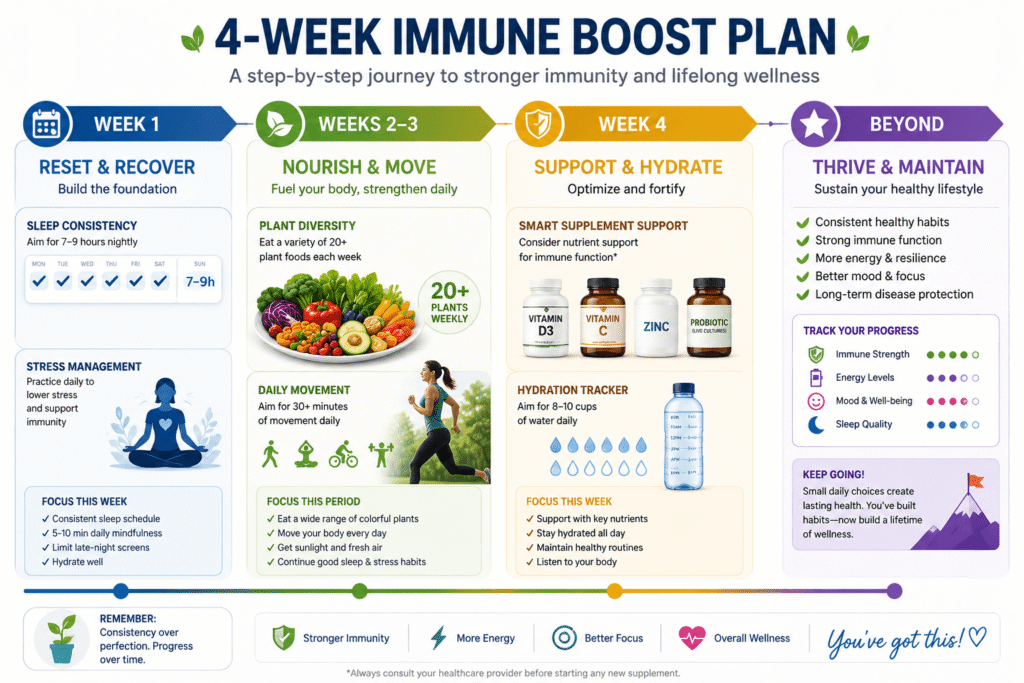
Week 1-2: Foundation Building
Step 1: Establish consistent sleep. Pick a bedtime and wake time. Stick to it (weekends too). This alone improves your 2nd line of defence in the immune system function by 20-30%.
Step 2: Start a simple stress practice. Choose one: meditation app (Insight Timer, Headspace), daily 20-minute walk in nature, or breathing exercises. Do it daily.
Step 3: Audit your current movement. Are you sedentary? Start with 20-minute walks, 4 days weekly. No gym required.
Step 4: Cut one inflammatory food. Most people benefit from reducing refined sugar and seed oils. Replace one processed snack with whole food.
Week 3-4: Optimization
Step 5: Increase plant diversity. Aim for 10+ different plant foods daily. Your gut microbiota needs variety to support immune training.
Step 6: Add hydration tracking. Use a bottle you refill; aim for half your body weight in ounces of water daily.
Step 7: Introduce one targeted supplement. Based on your biggest gap—if deficient in sun exposure, start vitamin D; if irregular sleep, add magnesium glycinate.
Step 8: Practice one gratitude or social practice daily. Strong social bonds and gratitude directly reduce harmful stress and support immune function.
Week 5-8: Integration
Step 9: Increase movement intensity slightly. Add one session of moderate-intensity activity (faster walk, cycling, swimming) weekly.
Step 10: Implement a simple meal prep routine. One hour weekly, prepare 2-3 immune-supporting meals you can reheat.
Step 11: Add a second supplement if appropriate (omega-3 if not eating fish regularly; probiotics for gut support).
Step 12: Track health markers. You should notice: fewer illness episodes, faster recovery, better sleep quality, improved energy by week 8.
Ongoing (Month 3+)
Step 13: Assess progress. Are infections less frequent? Is recovery faster? Is your energy better? The 2nd line of defence in the immune system requires maintenance, but it’s worth it.
Step 14: Make one lifestyle adjustment permanent each month. By month 6, you’ll have completely rewired your immune support habits.
FAQ: Common Questions About the 2nd Line of Defence in the Immune System
1. How long does it take to strengthen your 2nd line of defence in the immune system?
Answer: You’ll notice initial improvements in 2-4 weeks (better sleep quality, energy), but meaningful differences in infection resistance take 8-12 weeks. Full immune system optimization, considering you’re rebuilding cellular function and microbiota diversity, takes 3-6 months. Consistency matters infinitely more than perfection.
2. Can you have too strong a 2nd line of defence in the immune system?
Answer: Yes, and it’s called autoimmunity. Your immune system needs to distinguish between self and non-self. That’s why the goal isn’t a “stronger” immune system—it’s a calibrated one. The strategies here optimize balance, not aggressive activation. You want robust response to real threats and appropriate rest afterward.
3. Does the 2nd line of defence in the immune system include antibodies?
Answer: Technically, antibodies (immunoglobulins) are part of the adaptive immune response, which is the third line. However, some antibodies (IgA, IgM) are produced quickly during secondary response, so there’s overlap. The distinction is: second line is innate (instinctive, non-specific) while the third line is adaptive (learned, specific).
4. What weakens the 2nd line of defence in the immune system most?
Answer: In order of impact: chronic sleep deprivation, chronic stress, sedentary lifestyle, processed food diet, and overuse of antimicrobials/antibiotics. If you address sleep and stress first, you’ll see the biggest improvements. These two factors suppress phagocyte function by 40-50% each when chronically suboptimal.
5. Is there a blood test showing how strong your 2nd line of defence in the immune system is?
Answer: Not a single test. You can measure certain markers (white blood cell count, specific immune cell populations, inflammatory markers like CRP), but the best test is real-world function: How often do you get sick? How quickly do you recover? How’s your energy? These reveal the truth about your immune response.
6. Does age affect the 2nd line of defence in the immune system?
Answer: Yes, significantly. Immune function declines with age—partly due to cellular aging but mostly due to lifestyle changes (less sleep, more stress, less movement, inflammation from poor diet). That said, 60-year-olds with excellent sleep, stress management, and activity often have better immune function than sedentary 30-year-olds. Lifestyle trumps chronological age.
7. How does exercise specifically improve the 2nd line of defence in the immune system?
Answer: Regular moderate exercise increases circulation, which distributes immune cells throughout your body more efficiently. It also reduces stress hormones and improves sleep quality. The trick: moderate activity enhances immunity, but excessive intense training without adequate recovery actually suppresses it temporarily. Balance is key.
Conclusion: Your 2nd Line of Defence in the Immune System Is Your Responsibility
Here’s what I want you to understand: the 2nd line of defence in the immune system isn’t something you inherit and hope works. It’s something you actively build through daily choices.
Every night you prioritize sleep, every stressful moment you breathe through instead of stewing in, every walk you take, every whole food you eat these are investments in immune resilience. The 2nd line of defence in the immune system responds immediately to these choices.
Most people wait until they’re sick to think about their immune system. By then, it’s often too late. The real advantage goes to people who understand that inflammation, phagocytes, natural killer cells, and complement proteins are working 24/7, and they take responsibility for supporting that work.
Your action items, starting today:
- Pick one sleep change – consistent bedtime or blackout curtains or phone out of bedroom
- Commit to one stress practice – whatever genuinely appeals to you, not what you think you should do
- Add one immune-supporting food – fermented foods, berries, garlic, or fatty fish this week
- Move for 20 minutes – no gym, no special equipment, just movement
That’s literally it. That’s how you begin strengthening your 2nd line of defence in the immune system.
The science is clear, the mechanisms are understood, and the results are measurable. Your immune system is literally rebuilding itself every 90 days. Imagine what happens when you actually support that process intentionally.
Start today. Not tomorrow, not next Monday. Right now. Pick one thing and do it. Your future self the one who gets sick less often, recovers faster, and has actual energy will thank you.
Ready to take control of your immune health? Start with the step-by-step guide above, and consider which supplements might fill your specific gaps. Your body has everything it needs to protect itself. You just have to give it the conditions to work.