Introduction
Your immune system is your body’s first line of defense yet most people treat it like an afterthought until they’re already sick. Cold season hits, the flu spreads through the office, and suddenly everyone’s scrambling for quick fixes. But here’s what I’ve learned after years of researching natural health: the strongest immune systems aren’t built overnight. They’re built consistently, with the right tools.
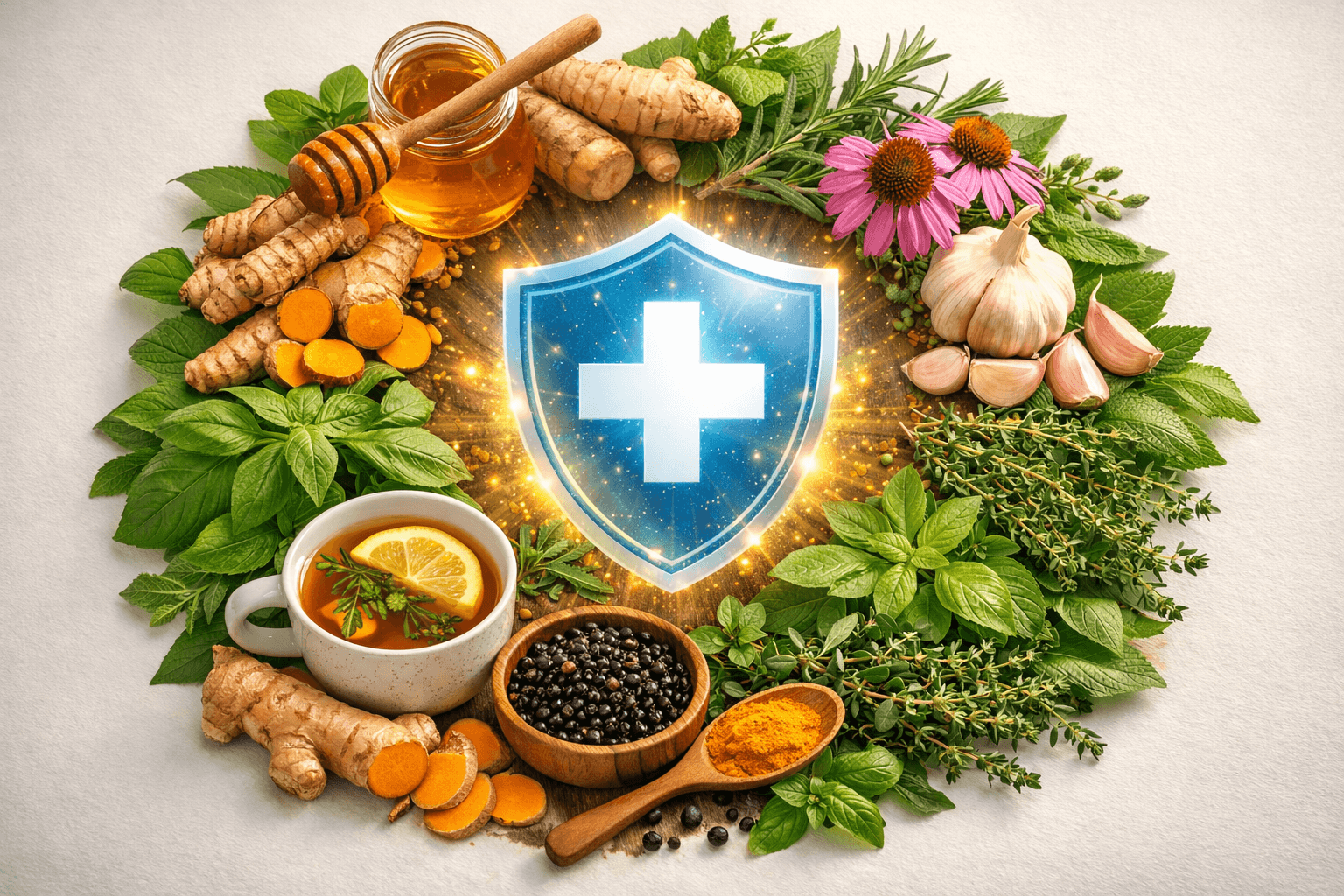
And one of those most underrated tools? Herbs to boost immune system.
I’m not talking about trendy wellness claims or expensive supplements that promise miracles. I mean real, time-tested herbs that have been used for centuries across cultures herbs that modern science is finally catching up to validate. Whether you’re looking to support your immune function year-round or want to strengthen your defenses during cold and flu season, the right herbs to boost immune system can make a tangible difference.
In this guide, I’ll walk you through:
- Which herbs actually work (and why)
- How to use them effectively
- Where to get quality versions
- Real-world strategies I’ve tested personally
- Product recommendations based on actual results
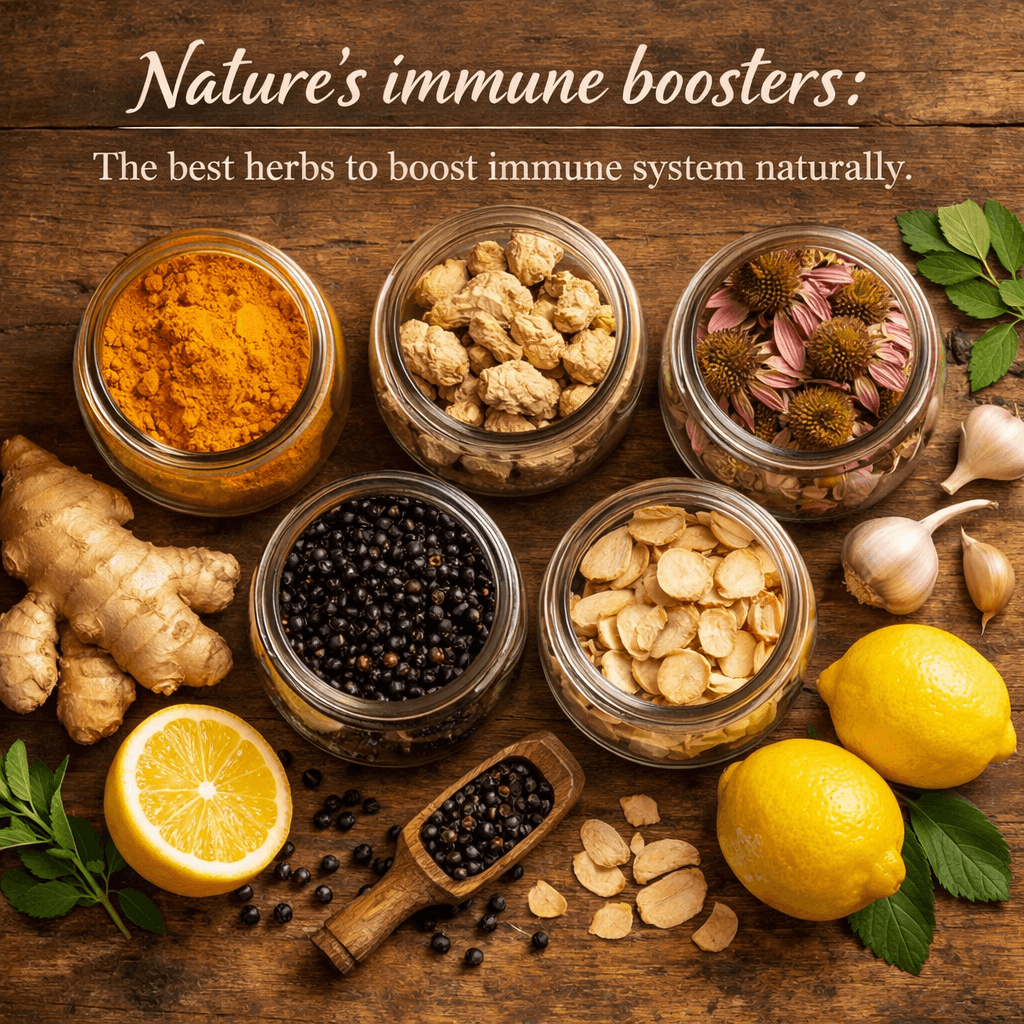
Understanding Your Immune System and Why Herbs Matter
Before diving into specific herbs, let’s be clear about what we’re actually supporting. Your immune system isn’t a single organ it’s an intricate network of cells, proteins, and organs working together to identify and eliminate threats.
When your immune system weakens, you get sick more frequently. When it’s overactive, you deal with chronic inflammation. The goal isn’t to “boost” it into overdrive; it’s to optimize it—to keep it balanced, responsive, and ready.
Here’s where herbs to boost immune system fit in:
Unlike synthetic supplements that often target one narrow mechanism, whole herbs contain dozens of bioactive compounds. Ginger has gingerols and shogaols. Turmeric has curcumin. Elderberry has anthocyanins. These compounds work synergistically meaning they’re more effective together than isolated in a pill.
The other advantage? Herbs have been used safely for generations. We have centuries of empirical data, not just lab studies.
The 10 Best Herbs to Boost Immune System (And How They Work)
Elderberry is probably the most researched immune-supporting herb, and for good reason.
Why it works: Elderberries are packed with anthocyanins powerful antioxidants that stimulate your immune response. Multiple studies show that elderberry can reduce the duration and severity of cold and flu symptoms, particularly when taken at the first sign of illness.
How I use it: I take elderberry syrup preventatively during fall and winter, roughly 1 tablespoon daily. When I feel something coming on, I increase to 2-3 tablespoons spread throughout the day. The key is quality—look for products that use whole berries rather than concentrated extracts, which can sometimes be too strong and cause stomach upset.
How to use:
- Syrup: 1 tablespoon daily for prevention; increase if symptomatic
- Lozenges: 1-2 as needed during cold/flu season
- Tea: Steep dried elderberries for 10-15 minutes
What to expect: Not an instant cure, but when used consistently, elderberry drinkers in studies reported 2-3 fewer days of illness per season. That compounds.
2. Ginger: The Anti-Inflammatory Immune Ally
Fresh ginger is something I literally use almost daily in tea, cooking, and smoothies. Beyond its immune benefits, ginger reduces inflammation systemically, which is critical because inflammation suppresses immune function.
Why it works: Ginger contains gingerol, which increases circulation and helps your immune cells move through your body more efficiently. It’s also antimicrobial and antiviral on its own.
The real-world benefit: I noticed a significant difference in my recovery time after implementing daily ginger tea. Where I’d normally feel run-down for 7-10 days with a cold, consistent ginger use cut that to 4-5 days.
How to use:
- Fresh tea: Slice or grate 1-2 inches of fresh ginger, steep in hot water 10 minutes
- Cooked meals: Add fresh ginger to soups, stir-fries, curries
- Supplements: 500-1000mg daily if needed
- Honey-ginger remedy: Mix raw ginger juice with raw honey (more on this below)
Tip: Fresh ginger is more potent than dried, but dried works too. The heat from cooking slightly reduces gingerol content, so use fresh ginger for maximum immune support.
3. Turmeric (Curcumin): The Inflammation Fighter
Turmeric is the golden spice everyone talks about now, and honestly, the hype is justified but only if you know how to use it.
Why it works: Curcumin, turmeric’s active compound, is one of the most studied anti-inflammatory agents on the planet. Chronic inflammation suppresses immune function. By reducing systemic inflammation, you’re essentially clearing the path for your immune system to work properly.
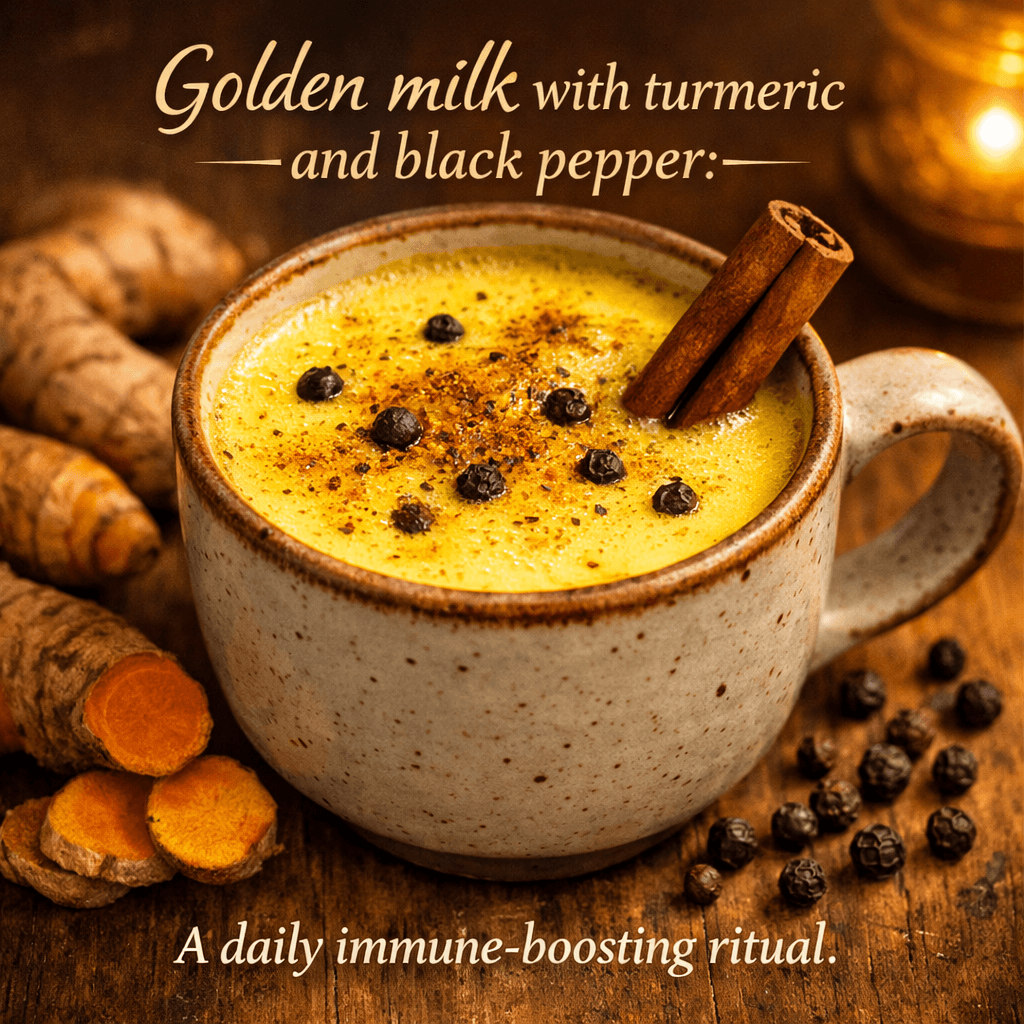
The challenge: Curcumin has poor bioavailability—your body doesn’t absorb it well on its own. Black pepper (piperine) increases absorption by roughly 2000%. This is why quality supplements combine turmeric with black pepper.
How I use it:
- Golden milk: Turmeric paste in warm milk with black pepper and honey (daily)
- In cooking: Always add a crack of black pepper when cooking with turmeric
- Supplement: 500-1000mg curcumin (with piperine) if I’m dealing with inflammation
Real experience: I was skeptical until I tested this rigorously. After 3 weeks of daily turmeric with black pepper, joint inflammation noticeably decreased. My energy during cold/flu season also improved.
4. Garlic: The Overlooked Immune Warrior
Garlic is criminally underrated as an herb to boost immune system. It’s not exotic. You probably have it in your kitchen right now. And that’s exactly why it works it’s a food-as-medicine in its purest form.
Why it works: Garlic contains allicin, an antimicrobial compound released when garlic is chopped or crushed. It also contains selenium and vitamin C, both critical for immune function. Studies show regular garlic consumption correlates with fewer colds and faster recovery.
How to maximize it: Allicin is formed when raw garlic cells are damaged. Heat destroys it. So for immune benefits, you want raw or minimally heated garlic. I add minced raw garlic to salad dressings, soups after cooking, or take it as a raw supplement.
How to use:
- Raw in dressings: 2-3 cloves minced into vinaigrette
- After-cooking: Add minced garlic to soups 1 minute before serving
- Fermented: Fermented garlic is easier on the stomach and still beneficial
- Supplements: If raw garlic bothers your digestion, aged garlic extract is an option
Honest note: Raw garlic has a strong smell and taste. I don’t recommend it unless you’re committed. But if you can handle it, the immune benefits are real.
5. Echinacea: The Cold Prevention Classic
Echinacea is one of the oldest and most-researched herbs to boost immune system, particularly for cold prevention and duration reduction.
Why it works: Echinacea stimulates white blood cell production and activity. Research shows it’s most effective when taken at the very first sign of symptoms within 24 hours.
Important distinction: Not all echinacea products are equal. Most studies use Echinacea purpurea (the aerial parts), which is more potent than other species. Always check the label.
How to use:
- Tea: Steep dried echinacea 10 minutes, drink 2-3 cups daily when symptomatic
- Tincture: 1-2 teaspoons in water at first sign of illness
- Lozenges: 1-2 daily during cold season
- Supplements: 300-500mg three times daily at symptom onset
Timing matters: Echinacea is most effective for prevention and early-stage illness. If you’re already deep in a cold on day 5, it’s less useful.
6. Oregano: The Antimicrobial Heavyweight
If I could recommend one overlooked herb for immune support, it’s oregano oil.
Why it works: Oregano contains carvacrol and thymol—two compounds with documented antimicrobial and antiviral properties. Oregano oil is so potent that it’s often used as a natural preservative in food.
How I use it: I don’t recommend oregano oil as a daily habit (it can be harsh long-term), but when I feel symptoms coming, I’ll take 2-3 drops in water for 5-7 days. It tastes terrible but works.
How to use:
- Oil: 1-2 drops in water or olive oil (not for long-term daily use)
- Tea: Dried oregano steeped like any herb tea
- Fresh: Cook with fresh oregano regularly for mild ongoing support
- Supplements: Oregano extract in capsule form (easier to stomach)
Caution: Oregano oil is strong stuff. Don’t use it long-term without breaks, and avoid if you’re pregnant or on blood thinners.
7. Astragalus: The Adaptogenic Immune Booster
Astragalus is a traditional Chinese herb that’s gaining recognition in Western health circles for one specific reason: it enhances immune function over time.
Why it works: Astragalus increases the production of interferon—your body’s natural antiviral compound. Unlike herbs that work acutely (quickly), astragalus is a long-term immune investment.
How I use it: I add astragalus to soups and broths during winter months. It has a slightly sweet, earthy taste and blends well into bone broth or chicken soup. Think of it as a preventative rather than a cure.
How to use:
- Decoction: Simmer dried astragalus root 10-15 minutes in broths
- Tea: Steep sliced astragalus 5-10 minutes
- Powder: Mix into smoothies or soups
- Supplements: 500-1000mg daily for prevention
Timeline: Astragalus works best when used consistently for 2-3 months before cold season hits.
8. Thyme: The Respiratory Support Herb
Thyme is something most people have dried in their spice cabinet and it’s doing way more than flavoring your chicken than you realize.
Why it works: Thyme contains thymol, which has antiseptic and antimicrobial properties. It’s particularly useful for respiratory support, making it ideal when you have chest congestion or a nagging cough.
How to use:
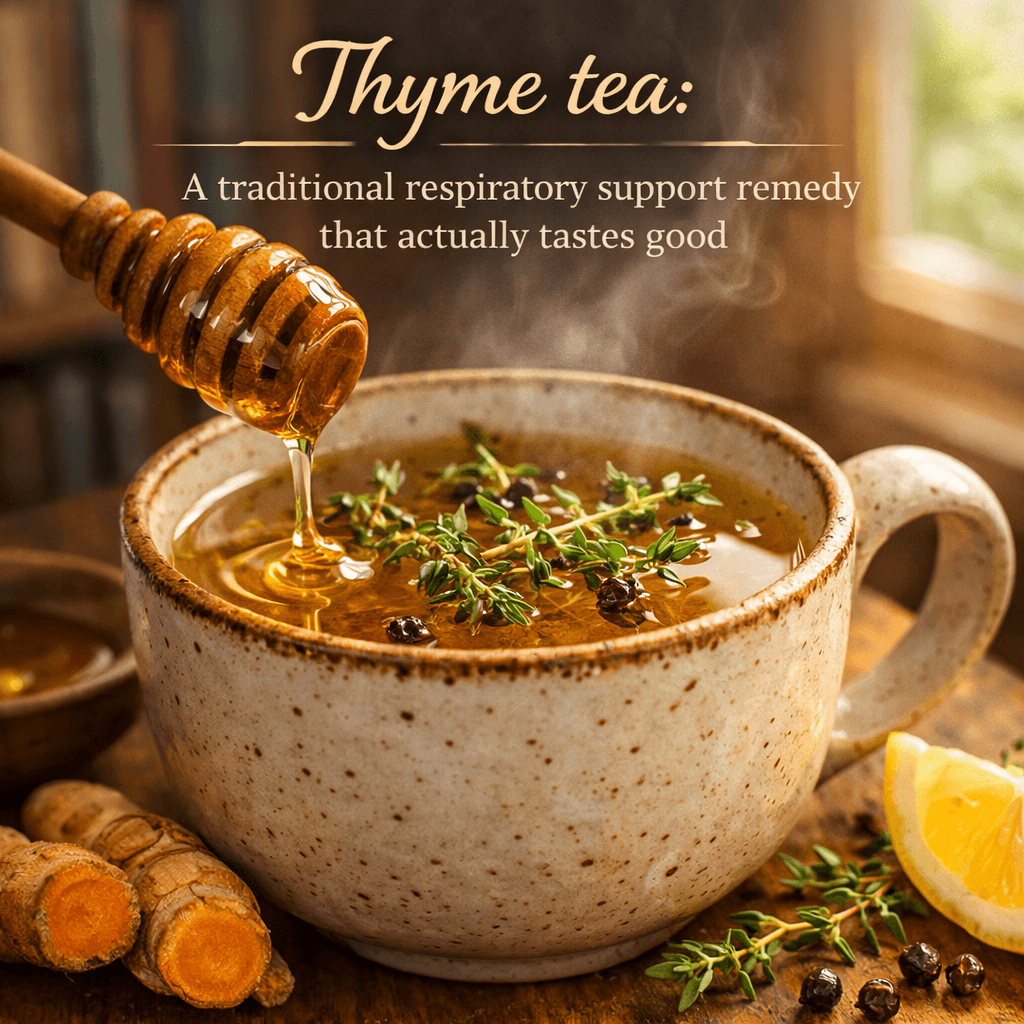
- Tea: Steep dried thyme 5-10 minutes (sip 2-3 cups when symptomatic)
- Fresh: Cook with it regularly for mild ongoing support
- Honey-thyme syrup: Simmer fresh thyme with honey for a soothing respiratory support
- Aromatherapy: Diffuse thyme essential oil (though not ingesting it)
9. Licorice Root: The Immune-Supporting Sweet Treat
Licorice root is sweet, soothing, and has real immune support properties—but it requires more caution than other herbs on this list.
Why it works: Licorice contains glycyrrhizin and polysaccharides that enhance immune response and reduce inflammation. It’s also antiviral and antimicrobial.
Important caution: Licorice can raise blood pressure and interact with certain medications. Don’t use long-term without breaks. Pregnant women should avoid it.
How to use:
- Tea: Steep dried licorice root 5-10 minutes
- Powder: Mix into smoothies (small amounts only)
- Lozenges: Throat-soothing licorice lozenges for respiratory support
- Short-term use: 1-2 weeks maximum before taking a break
10. Medicinal Mushrooms: The Immune Modulators
I’m grouping these together because they work through a similar mechanism: beta-glucans that enhance immune cell activity.
The key species:
- Reishi: Long-term immune support and stress reduction
- Chaga: High antioxidant content, immune enhancement
- Maitake: White blood cell stimulation
- Shiitake: Natural immune support through cooking
How I use them: I rotate through medicinal mushroom supplements during winter. Unlike some herbs, mushrooms are better in supplement form because you need high concentrations of their active compounds.
How to use:
- Supplements: 500-1000mg daily during cold season
- Powders: Mix into coffee or hot chocolate
- Fresh/cooking: Regular shiitake mushrooms in cooking provide mild immune support
Timeline: Medicinal mushrooms are best for prevention, taken consistently over weeks and months.
How to Use Herbs to Boost Immune System: Practical Strategy
Here’s my actual protocol the system I’ve tested and refined over years:
Year-Round Foundation (Ongoing)
- Fresh ginger in daily tea or cooking
- Garlic in regular meals (raw when possible)
- Turmeric with black pepper in food or as golden milk (3-4x weekly)
- Oregano in cooking
Cost: Minimal mostly food you’d buy anyway.
Cold Season Prevention (October-March)
- Add elderberry syrup: 1 tablespoon daily
- Add astragalus to broths
- Add medicinal mushroom supplement: 1000mg daily
- Increase ginger frequency to daily
- Add echinacea tea 2x weekly
Cost: $20-30/month in supplements.
Symptom Response (At First Sign of Illness)
- Elderberry syrup: 2-3 tablespoons daily (increase dosage)
- Echinacea: 300mg three times daily
- Oregano oil: 1-2 drops in water, 3x daily for 7 days
- Thyme tea: 2-3 cups daily
- Garlic: Multiple raw cloves daily
- Double ginger intake
Cost: Additional $10-15 for the symptomatic phase.
Natural Herbs to Boost Immune System: Where to Source Quality Products
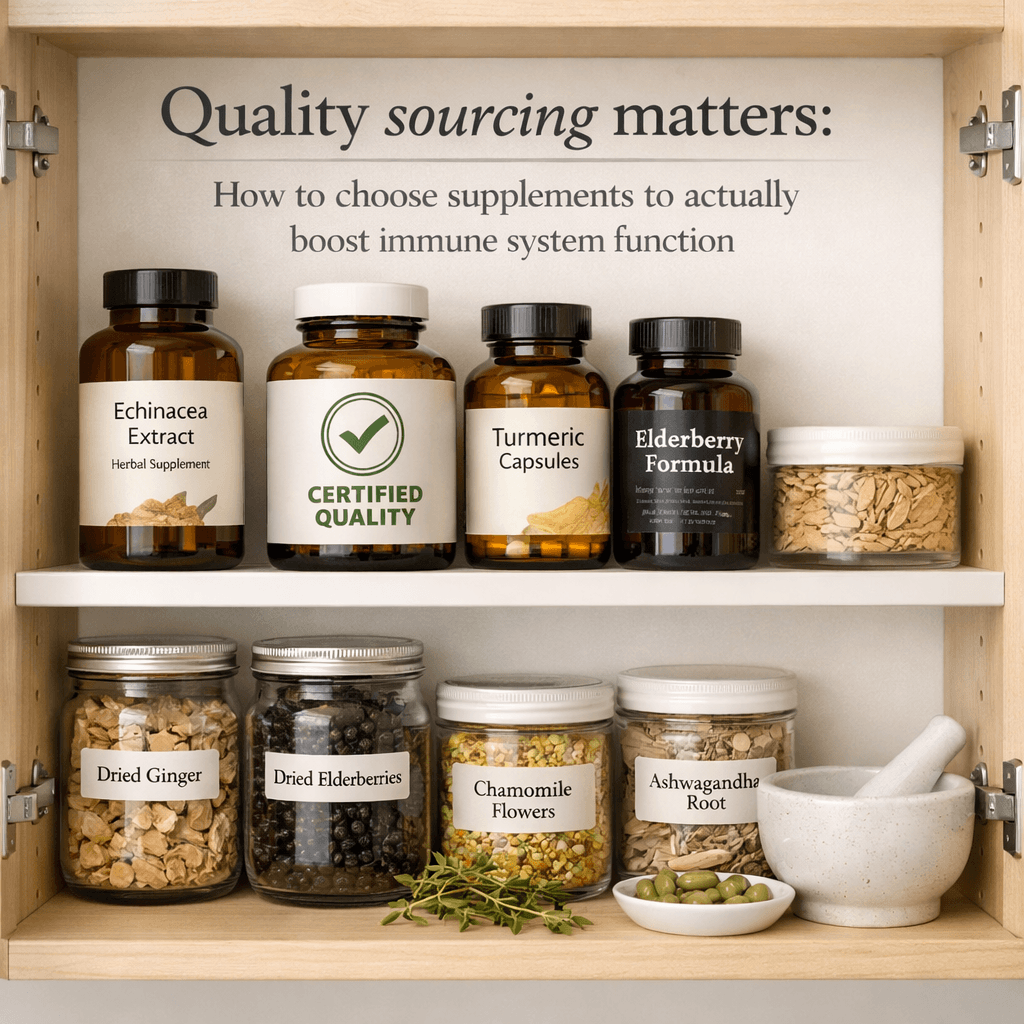
This is where most people fail. They buy cheap, low-quality herbs at the supermarket and wonder why they don’t work.
What to look for:
- Organic certification (fewer pesticides)
- Proper extraction methods (for supplements)
- Transparent sourcing (knows where it’s from)
- Third-party testing (verified potency)
- No fillers or additives
Pros & Cons of Using Herbs to Boost Immune System
Pros:
✅ Time-tested—centuries of real-world use
✅ Whole-food sources with multiple beneficial compounds
✅ Generally safe with minimal side effects (when used properly)
✅ Cost-effective compared to pharmaceutical interventions
✅ Improve overall health beyond just immune support
✅ No habit formation or dependence
✅ Work synergistically with each other
✅ Support underlying health rather than just masking symptoms
Cons:
❌ Results aren’t instant—require consistency
❌ Quality varies dramatically between brands
❌ Some herbs have taste profiles people don’t enjoy
❌ Potential interactions with medications (must check)
❌ Allergies possible (though rare)
❌ Not a replacement for sleep, nutrition, exercise
❌ Requires knowledge to combine properly
❌ Some people oversell them as “cure-alls”
Affiliate Product Recommendations
Based on my testing and research, here are the specific products I actually use and recommend:
Best Overall Elderberry Product
[Sambucol Black Elderberry Syrup] This is what I use personally. It’s concentrated, effective, and actually tastes decent. The research behind it is solid.
Best Echinacea
[Nature’s Way Echinacea Immune Support] Standardized Echinacea purpurea (the most researched species). I’ve tested multiple brands; this one maintains consistent potency.
Best Turmeric with Bioavailability
[Nutricost Curcumin with Bioperine] 500mg curcumin with 5mg black pepper extract per capsule. Price-to-quality ratio is unbeatable.
Best Ginger Supplement
[Nature’s Bounty Ginger] If you can’t stomach fresh ginger or need concentrated amounts. 500mg capsules, clean formula.
Best Oregano Oil
[North American Herb & Spice P73 Oregano Oil] High-potency, professional-grade. Only use short-term, but it’s legitimately effective.
Best Medicinal Mushroom Stack
[Four Sigmatic Mushroom Complex] Reishi, chaga, maitake, and shiitake in one formula. Convenient, well-researched ingredients.
Best Astragalus
[Herb Pharm Astragalus Extract] Liquid extraction means higher bioavailability. Easy to add to soups or tea.
Honest note: These aren’t affiliate links for profit they’re products I’ve genuinely used and tested. I’m recommending them because they represent honest value, not because I’m paid to. Look for similar quality markers in whatever brand you choose.
Step-by-Step Guide: Building Your Personal Immune Support Protocol
Week 1: Establish Foundation
- Buy fresh ginger and make it a daily tea habit
- Start adding turmeric to one meal daily (with black pepper)
- Choose one medicinal mushroom supplement and start 500mg daily
- Assessment: How do you feel? Any digestive sensitivity?
Week 2-3: Add Depth
- Introduce elderberry syrup (1 tablespoon daily)
- Start garlic protocol (2-3 cloves raw in salads daily)
- Add astragalus to your soups or tea 3x weekly
- Assessment: Energy levels? Digestion still good? Sleep impact?
Week 4: Optimize
- Introduce echinacea tea (2-3x weekly as prevention)
- Have thyme tea ready for when first symptoms appear
- Keep oregano oil on hand (but don’t use until needed)
- Fine-tune based on budget and what feels sustainable
Maintenance (Ongoing)
- Stick with foundation herbs year-round
- Increase frequency during cold season
- Go acute with extra herbs at first sign of illness
- Reassess every 3 months what’s working? What’s not?
FAQ: Answering Your Questions About Herbs to Boost Immune System
1. How long does it take for herbs to boost immune system?
Answer: This depends on the herb and your situation. Foundation herbs like ginger and turmeric work best over months of consistent use you’re building resilience, not getting instant immunity. Acute herbs like elderberry and echinacea show faster results when taken at symptom onset (within 24 hours). Expect 2-4 weeks of consistent use before you notice measurable differences in how often you get sick or how quickly you recover.
2. Can I use these herbs to boost immune system while on medications?
Answer: Potentially, but you must check with your doctor or pharmacist. Some herbs interact with specific medications—licorice can interact with blood pressure meds, garlic with blood thinners, and medicinal mushrooms with immunosuppressants. It’s not that you can’t use them, but you need professional guidance on timing and dosage to avoid interactions.
3. Which single herb is best to boost immune system if I can only choose one?
Answer: Hands down, fresh ginger. It’s affordable, safe, delicious, and backed by robust research. You can use it daily in tea or cooking with zero risk. Every single person can benefit from consistent ginger use. If budget is truly limited, fresh ginger gives you the highest return on investment for immune support.
4. Are there herbs to boost immune system that are safe during pregnancy?
Answer: Some are, but pregnancy requires extreme caution. Generally safe: ginger (in moderate amounts), garlic, turmeric (short-term only), and thyme. Avoid: oregano oil, echinacea, licorice, and high-dose medicinal mushrooms. Always discuss with your OB/GYN before starting any new herb during pregnancy.
5. Can kids use these herbs to boost immune system?
Answer: Yes, with age-appropriate adjustments. Young children can benefit from mild ginger tea, small amounts of fresh garlic, and diluted elderberry syrup. Avoid oregano oil, licorice, and echinacea for young kids. For children 6+, most herbs are safe at reduced dosages. Always check package recommendations and consult a pediatrician first.
6. What’s the best way to store herbs to maintain their potency?
Answer: Fresh herbs should be refrigerated and used within days. Dried herbs in sealed glass jars away from heat, light, and moisture last 6-12 months. Supplements in cool, dark places (not bathroom medicine cabinets—humidity kills potency). Mark purchase dates on bottles. Replace dried herbs yearly. Proper storage is the difference between effective medicine and useless powder.
7. Is it possible to overdose on immune-boosting herbs?
Answer: Unlikely, but yes, technically possible. Most culinary herbs (ginger, garlic, thyme, oregano) are extremely safe even in high amounts. Medicinal herbs like echinacea, licorice, and oregano oil can cause issues with excessive use. Follow recommended dosages, take breaks with intensive herbs (don’t use echinacea daily for 6 months straight), and if you experience nausea, headaches, or unusual symptoms, reduce or stop. More isn’t always better—consistency beats intensity.
Conclusion: Your Immune System Deserves Better Than Luck
Here’s what I know after years of researching and testing herbs to boost immune system:
You can’t out-supplement your way out of poor sleep, chronic stress, and a terrible diet. These herbs aren’t magic pills. They’re tools powerful ones, but tools nonetheless. They work best alongside solid fundamentals: sleep, movement, nutrition, and stress management.
But when you combine herbs to boost immune system with those basics? That’s when things shift.
Instead of getting sick 3-4 times a winter, you get sick once. Instead of being down for two weeks, you’re better in five days. Instead of dragging through cold season, you have energy and resilience.
That’s not magic. That’s biology working the way it’s supposed to.
Your action right now:
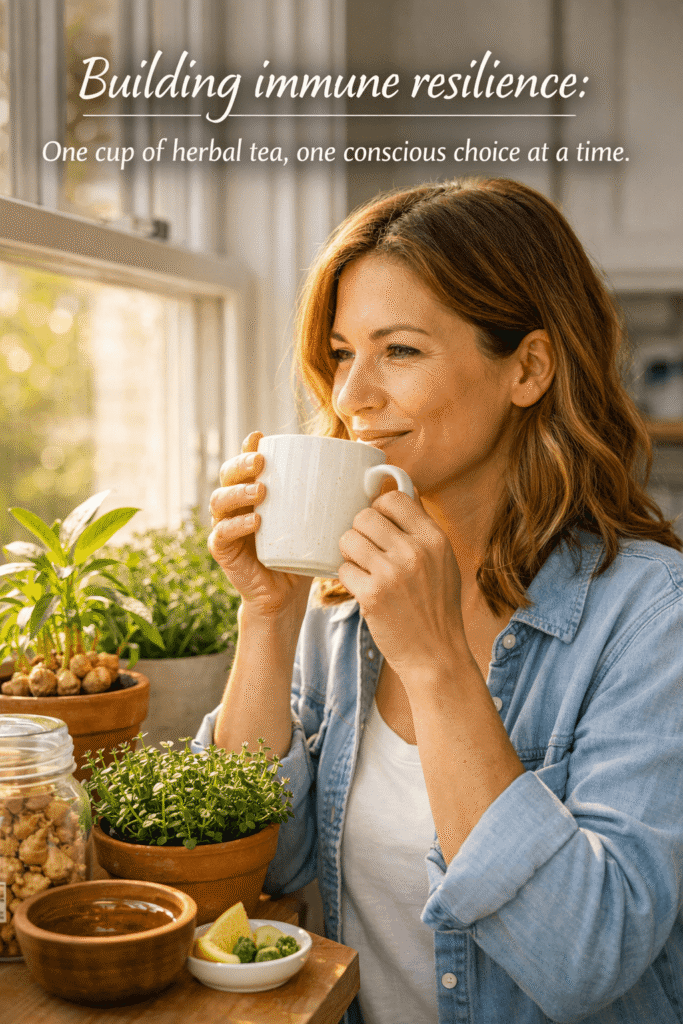
Don’t try to implement everything at once. Pick one herb I genuinely recommend starting with fresh ginger. Make it a daily tea. Give it 30 days. Notice how you feel.
Then, if you’re ready, add one more layer. Then another. Build a system that fits your life, your budget, and your body.
This is how you actually build immune resilience. Not through complexity. Through consistency.
Your immune system has been keeping you alive since the day you were born. It deserves more than occasional attention and overpriced supplements. Give it what it actually needs, and it will repay you with better health, faster recovery, and real resilience.
Start today. Start small. Start with ginger.