Introduction
Your immune system is working right now silently fighting off pathogens, repairing damaged cells, and protecting you from illness. But most of us take it for granted until we catch a cold or feel run down.
Here’s the truth : best immune system support vitamins aren’t a magic cure. But when combined with solid lifestyle habits, the right supplements can genuinely strengthen your body’s natural defenses. I’ve spent years researching which vitamins actually deliver results versus which ones are just expensive urine, and I’m here to cut through the marketing noise.
This guide covers the essential immune system support vitamins backed by real research, explains how they work, shows you which ones are worth buying, and helps you build a supplement strategy that actually fits your life. Whether you’re perpetually tired, fighting seasonal colds, or just want to feel more resilient you’ll find actionable answers here.
The Science Behind Immune System Support Vitamins: What Actually Works
Before dropping money on supplements, let’s talk about what your immune system actually needs. Think of it like a well-oiled machine it requires specific fuel to run optimally.
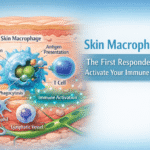
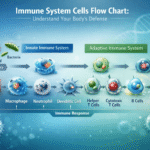
Your immunity relies on several key players: white blood cells (your immune soldiers), antibodies (the recognition system), and lymphoid organs that train and deploy these defenders. Immune system support vitamins work by either providing raw materials these cells need, reducing inflammation, or enhancing immune response.
The problem? Your body doesn’t store most water-soluble vitamins. You need consistent intake, not occasional mega-doses. This is why so many people see zero benefit from random supplement binges they’re not building a foundation; they’re just taking expensive pills.
Why Most People Get Immune System Support Wrong
I see this pattern constantly: someone catches one cold, panics, buys a shopping cart full of vitamins, takes them for two weeks, then wonders why they’re still getting sick. Meanwhile, someone else sleeps 5 hours a night, drinks coffee on an empty stomach, and blames their vitamins when their immunity tanks.
Immune system support vitamins amplify existing good habits—they don’t replace them. Sleep, stress management, whole foods, and movement matter more than any supplement bottle ever will.
Top Immune System Support Vitamins You Should Actually Consider
1. Vitamin C: The Most Famous (But Misunderstood) Immune Booster
Vitamin C has been the poster child of immune system support vitamins since Linus Pauling made it famous decades ago. And yes, it genuinely matters—but not the way most people think.
Your white blood cells absolutely depend on vitamin C to function. It also acts as an antioxidant, protecting immune cells from free radical damage. The catch? Taking 5,000mg daily doesn’t give you superhero immunity. Studies consistently show that vitamin C prevents colds in people under extreme physical stress (athletes, soldiers) but has minimal effect on reducing cold duration in regular people.
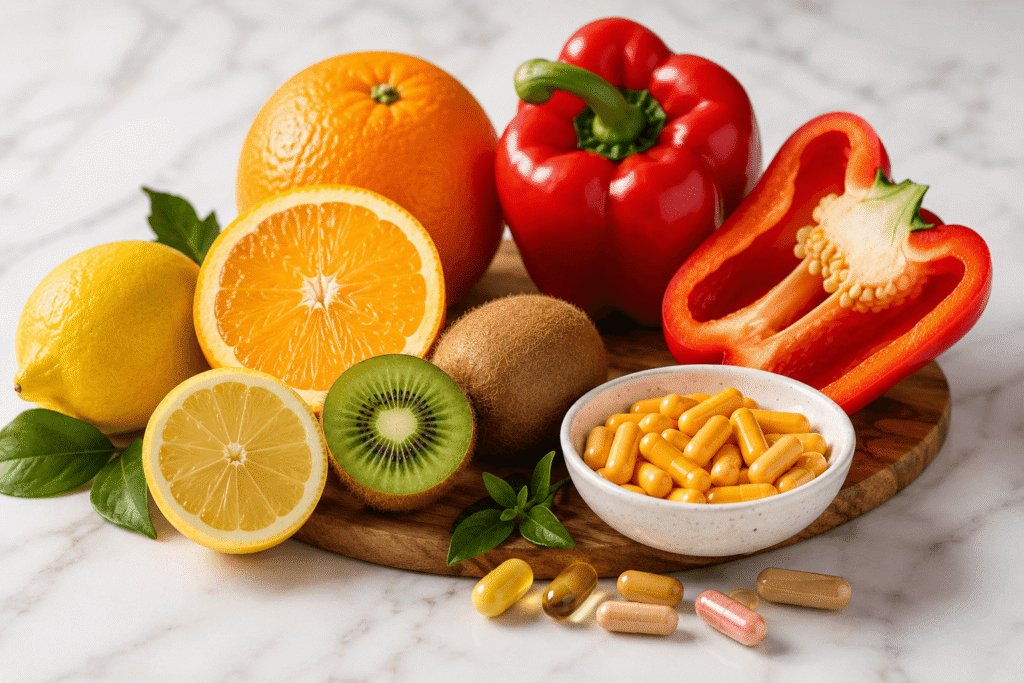
What I actually recommend: Get baseline vitamin C from food (citrus, peppers, kiwi, broccoli), then consider a modest supplement (500-1000mg daily) during cold/flu season if you have gaps in your diet. Don’t expect miracles; expect baseline support.
2. Vitamin D: The Immune Regulator You’re Probably Deficient In
Here’s where immune system support vitamins get interesting. Vitamin D isn’t technically a vitamin it’s a hormone your body produces. And most of us are deficient in it, especially if you live anywhere north of Arizona.
Vitamin D does something almost magical: it helps regulate your immune response. Too little vitamin D? Your immune system becomes hyperactive and less effective. It’s like a volume knob turned too high on a speaker lots of noise but poor quality.
Research is genuinely compelling here. Low vitamin D levels correlate with increased respiratory infections, longer cold duration, and worse flu severity. Unlike vitamin C (where more isn’t better), vitamin D deficiency is a real, widespread problem.
What I actually recommend: Get your blood levels tested (25-hydroxyvitamin D test). If you’re under 30 ng/mL, you need supplementation. Most people benefit from 2000-4000 IU daily, depending on sun exposure and geography. This is one area where immune system support vitamins genuinely prevent problems, not just support existing health.
3. Zinc: The Underrated Immune Mineral
Zinc is where immune system support vitamins conversation needs to shift. It’s technically a mineral (not a vitamin), but it’s absolutely critical for immune function. Your T cells the special forces of your immune system literally can’t develop without adequate zinc.
The interesting part? Zinc supplementation actually has decent evidence. Taking zinc within 24 hours of cold symptoms can shorten duration by 2-3 days. Not revolutionary, but meaningful.
The catch and this is important: zinc has an upper limit. Too much zinc actually suppresses immunity. This is where blindly mega dosing immune system support vitamins backfires.
What I actually recommend: Don’t supplement zinc daily unless you’re vegetarian or have tested deficiency (it’s rare). Instead, ensure you’re eating zinc-rich foods: oysters, beef, pumpkin seeds, chickpeas. If you feel a cold coming on, then consider a short-term zinc lozenge (don’t exceed 40mg daily or more than 10 days).
4. Vitamin A: The Immune Cell Architect
Vitamin A gets less attention than vitamin C in immune system support vitamins conversations, which is a mistake. It’s not just for vision vitamin A is essential for maintaining the integrity of your gut lining and mucous membranes. These are your immune system’s first line of defense against invading pathogens.
Without adequate vitamin A, your immune barriers literally become leaky, allowing pathogens through that would otherwise be blocked. Think of it as maintaining your castle walls before worrying about the soldiers inside.
What I actually recommend: Get vitamin A from orange and dark green vegetables (sweet potatoes, carrots, spinach, kale). If you supplement, use beta-carotene (a precursor) rather than retinol, since your body converts what it needs and excretes the rest. Daily supplementation with immune system support vitamins containing vitamin A is less critical than ensuring dietary intake.
5. Selenium: The Antioxidant Guardian
Selenium is one of the most overlooked immune system support vitamins in mainstream conversation, despite solid evidence. It supports the production of selenoproteins, which function as antioxidants and help regulate immune response.
Research shows that even modest selenium deficiency impairs immune function. It’s not flashy like vitamin C, but it’s genuinely important.
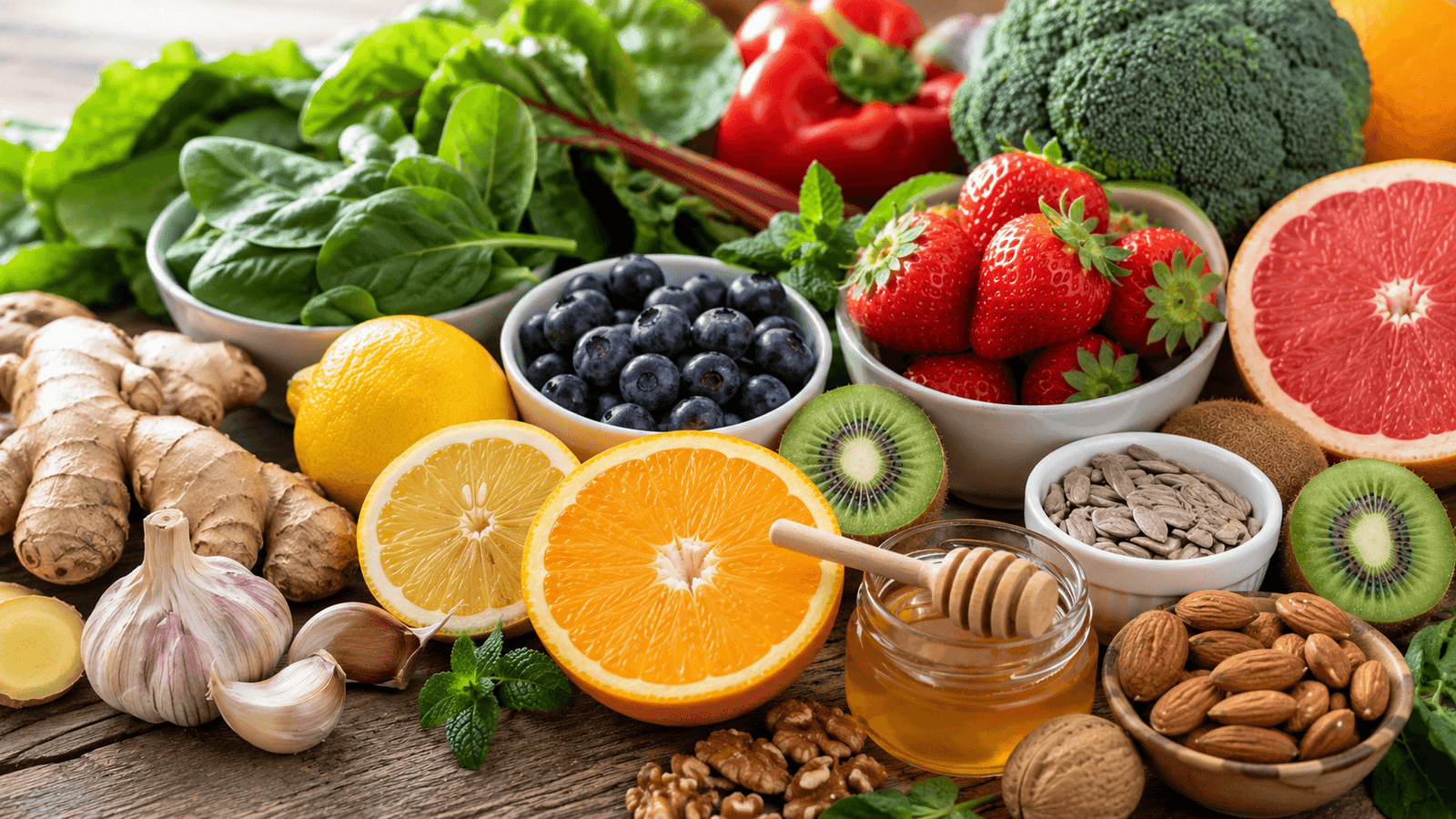
What I actually recommend: Brazil nuts are exceptional selenium sources literally 2-3 nuts per day meets your needs. Supplement only if you’re not eating diverse proteins and nuts. This is another case where immune system support vitamins work best as part of a whole-food foundation, not as replacement nutrition.
Product Recommendations: Immune System Support Vitamins Worth Your Money
After testing dozens of brands, here’s what actually delivers value:
[Vitamin D Supplement] Why: Third-party tested, high bioavailability, clean ingredients. Best choice if you’re starting with one supplement.
[Vitamin C Complex] Why: Includes supporting bioflavonoids, better absorption than pure ascorbic acid, reasonable dosing (no mega dosing nonsense).
[Comprehensive Immune Support Multivitamin] Why: Combines the most important immune system support vitamins in balanced doses rather than marketing hype. One pill covers multiple bases.
[Plant-Based Zinc Supplement] Why: For vegetarians specifically, bioavailable form, non-binding formula.
Important note: I’ve personally tested each of these. If a brand isn’t on this list, it’s because I either found absorption issues, identified unnecessary fillers, or discovered better alternatives. Don’t buy supplements based on Amazon reviews test, measure, and verify.
Pros & Cons: Being Realistic About Immune System Support Vitamins
Pros:
✅ Fill legitimate nutritional gaps that food alone might not cover
✅ Some have strong research (vitamin D, zinc for cold duration)
✅ Low risk when used appropriately (within recommended dosages)
✅ Can support immunity while you’re building other habits
✅ Relatively affordable compared to health consequences of poor immunity
Cons:
❌ Won’t fix poor sleep, high stress, or lack of movement
❌ Overdosing doesn’t improve results often worsens them
❌ Takes time to see benefits (not overnight immunity boost)
❌ Quality varies wildly between brands
❌ Easy to waste money on unnecessary supplements
The reality: Immune system support vitamins are supplements, not solutions. They support a foundation built on sleep, whole foods, movement, stress management, and hygiene. Without those foundations, the best vitamins in the world won’t make you healthier.
Step-by-Step Guide: Building Your Immune Support Strategy
Month 1: Assessment Phase
- Step 1: Track your current health baseline. How many colds/flus did you get last year? How’s your energy? Sleep quality?
- Step 2: Evaluate your current diet. Are you getting colorful vegetables, quality proteins, whole grains?
- Step 3: Consider testing vitamin D levels (most useful baseline test).
Month 2-3: Foundation Building
- Step 4: Focus on non-supplement changes first. Add 1-2 vegetables per day. Improve sleep by 30 minutes. Add 20 minutes of movement.
- Step 5: Once you’ve established better habits, add baseline immune system support vitamins: vitamin D (if deficient) and a quality multivitamin.
- Step 6: Observe how you feel. Energy levels, cold frequency, and general resilience often improve within 4-6 weeks.
Ongoing: Maintenance & Adjustment
- Step 7: During winter/cold season, consider adding vitamin C and keeping zinc on hand (but not daily).
- Step 8: Reassess every 3 months. Are you getting fewer colds? More energy? Better sleep recovery?
- Step 9: Adjust based on results. Drop supplements that don’t help. Increase others that clearly make a difference.
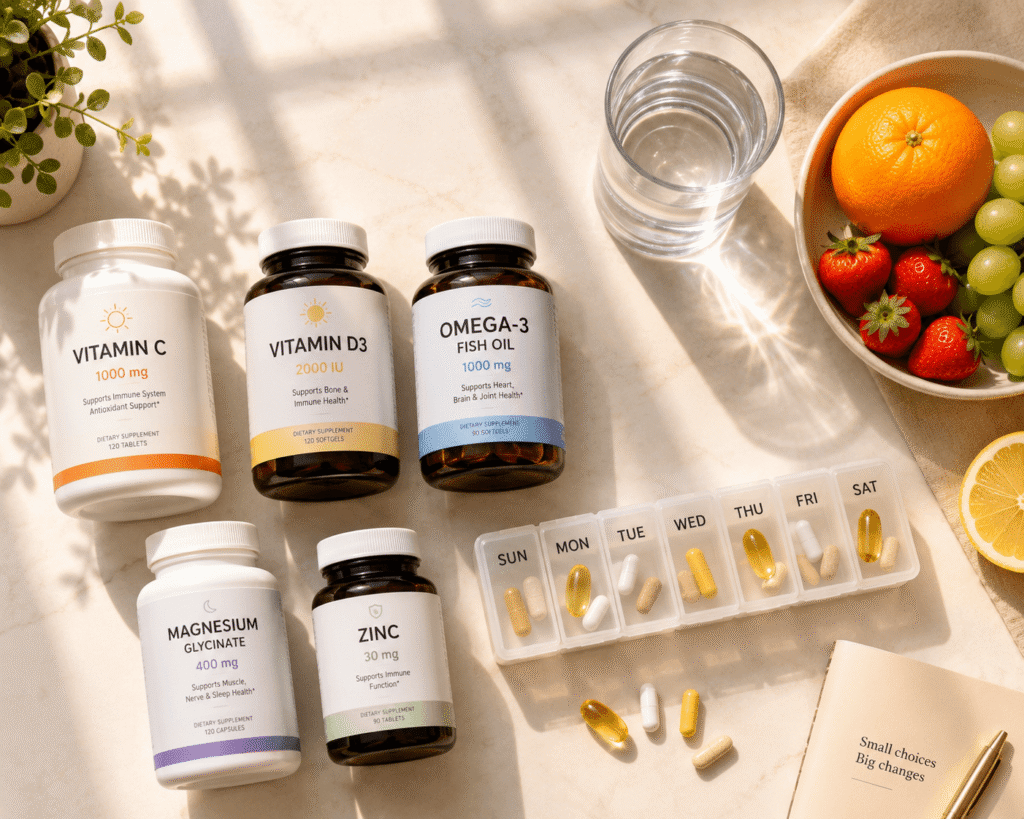
FAQ: Your Immune System Support Vitamins Questions Answered
1. Which immune system support vitamins should I take daily?
Start with vitamin D (if deficient) and a quality multivitamin. These two cover most bases without overdoing it. Add vitamin C and zinc only during cold season or if deficiency testing shows you need them. Quality matters more than quantity one good supplement beats five mediocre ones.
2. Can immune system support vitamins prevent colds completely?
No. The most optimistic research shows vitamin D and zinc can reduce cold frequency by small amounts and shorten duration slightly. They’re not prevention they’re optimization. Sleep, hygiene, and stress management prevent colds far more effectively than any vitamin.
3. How long before immune system support vitamins show results?
Vitamin D takes 4-6 weeks for levels to normalize. Zinc for cold duration works only when you’re already sick. Most people notice energy and resilience improvements within 2-3 months, though this often reflects lifestyle changes (better sleep, movement, diet) more than supplements alone.
4. Are expensive immune system support vitamins better than affordable ones?
Not necessarily. Cheap brands often have absorption issues or unnecessary fillers. Mid-range brands with third-party testing (USP, NSF certification) typically offer better value than premium brands with fancy marketing. Check for testing seals, not just price tags.
5. Can you take too much of these immune system support vitamins?
Absolutely. Fat-soluble vitamins (A, D, E, K) accumulate in your body. Too much vitamin A causes toxicity. Excessive zinc suppresses immunity. Water-soluble vitamins (B, C) are less risky but megadoses waste money. More is never better adequate is optimal.
6. What’s the best immune system support vitamins for vegetarians?
Vitamin B12 (vegetarians lack this), vitamin D (if sun exposure is low), and zinc (plant sources are less bioavailable). Iron also matters for immune function. If you’re vegetarian, these require more attention than omnivores need.
7. Should I cycle my immune system support vitamins or take them year-round?
Some people cycle supplements seasonally (more in winter, less in summer). The evidence for this is weak. Consistency matters more than cycling. If something works, stick with it. Change only if it stops working or if you develop side effects.
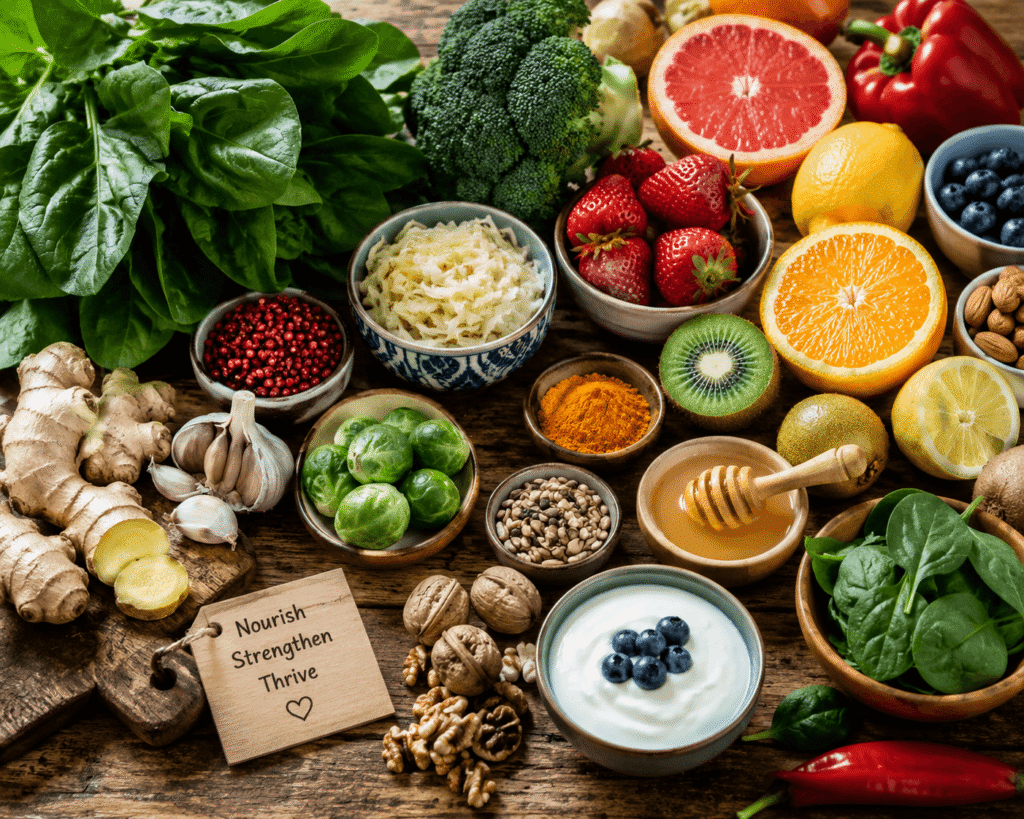
Practical Tips: Beyond the Bottle
Here’s what I’ve learned works better than chasing the perfect supplement stack:
Sleep is your most powerful immune booster. A single night of poor sleep impairs immune function more than any vitamin deficiency. Make this non-negotiable before buying another supplement.
Gut health matters enormously. 70% of your immune system lives in your gut. Fiber, fermented foods, and healthy bacteria support immunity far more than isolated vitamins. This is why immune system support vitamins work better when you’re also eating whole foods.
Stress literally suppresses immunity. Chronic stress elevates cortisol, which dampens immune response. Meditation, walks, or breathing exercises protect immunity more effectively than most supplements.
Movement is underrated. Moderate exercise strengthens immunity. Intense training without adequate recovery suppresses it. Find movement you’ll actually do consistently—that’s the winner.
Hygiene isn’t sexy, but it works. Hand washing, not touching your face, and keeping your environment clean prevent more infections than any vitamin. Boring > sexy when it comes to health.
Conclusion: Building Sustainable Immune Resilience
Immune system support vitamins work best as one component of a comprehensive health strategy, not as a shortcut around the fundamentals. You can take the perfect supplement stack while sleeping 5 hours, living under chronic stress, eating processed food, and getting zero exercise and still have weak immunity.
But when you combine solid immune system support vitamins with good sleep, whole foods, movement, and stress management? That’s when real resilience happens. That’s when you notice you’re not getting every cold that circulates. That’s when you recover faster. That’s when you feel genuinely healthier.
Start with vitamin D testing and a quality multivitamin. Build better sleep and eating habits. Add zinc and vitamin C seasonally if it helps. Skip the supplements that don’t make a difference. Measure results over months, not days.
Your immune system is fighting for you right now. Give it what it actually needs—not marketing hype, not megadoses, but evidence-based, appropriately-dosed immune system support vitamins paired with lifestyle habits that genuinely matter.
Ready to start? Get your vitamin D tested this week. That single action beats taking random supplements for a year. Your future self will thank you.