If you’re searching for a Healthy Nutrition Meal Plan for Beginners Guide, chances are you’re tired of confusion, fad diets, and conflicting advice.
I’ve been in the health and affiliate marketing industry for years, and I can confidently say this: most beginners fail not because they lack motivation — but because they lack structure.
A proper beginner meal plan should be:
- Simple
- Affordable
- Easy to cook
- Sustainable long-term
- Backed by nutritional science
- Flexible for Indian and global diets
This guide will give you a complete roadmap.
Why Most Beginners Fail at Healthy Eating
Before we jump into the actual meal plan, let’s address the real problem.
Most beginners:
- Overcomplicate their diet
- Follow extreme calorie cuts
- Try trendy diets they can’t sustain
- Ignore protein intake
- Don’t plan groceries in advance
When I started helping beginners through my wellness content platforms, I noticed one pattern: simplicity beats perfection.
A Healthy Nutrition Meal Plan for Beginners Guide is essential for achieving long-term health goals.
This guide serves as a Healthy Nutrition Meal Plan for Beginners Guide to help you navigate healthy eating.
What is a Healthy Nutrition Meal Plan for Beginners?
A healthy nutrition meal plan for beginners is a structured daily eating plan that:
- Balances protein, carbs, and healthy fats
- Provides essential vitamins and minerals
- Supports energy levels
- Helps manage weight naturally
- Is easy to follow without advanced nutrition knowledge
For beginners, the goal is NOT extreme fat loss.
The goal is:
- Build healthy habits
- Improve metabolism
- Stabilize blood sugar
- Reduce cravings
- Create sustainable lifestyle change
Core Nutrition Principles Every Beginner Must Understand
1. Prioritize Protein in Every Meal
Protein supports:
- Muscle repair
- Fat loss
- Satiety
- Hormonal balance
Good beginner protein sources:
- Eggs
- Paneer
- Greek yogurt
- Lentils
- Chickpeas
- Tofu
- Chicken breast
- Fish
Aim for:
0.8 – 1g protein per kg body weight daily (beginner level)
2. Choose Complex Carbohydrates
Avoid refined carbs like:
- White bread
- Sugary cereals
- Bakery products
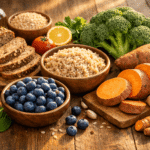
Choose:
- Brown rice
- Oats
- Millets
- Quinoa
- Sweet potatoes
- Whole wheat roti
3. Include Healthy Fats
Healthy fats improve:
- Brain function
- Hormone production
- Vitamin absorption
Add:
- Nuts
- Seeds
- Ghee (in moderation)
- Olive oil
- Peanut butter
4. Hydration is Non-Negotiable
Drink:
- 2.5–3 liters of water daily
- Add lemon or chia seeds for variety
7-Day Healthy Nutrition Meal Plan for Beginners
This plan is beginner-friendly, affordable, and sustainable.
Day 1
Breakfast: Oats + milk + banana + chia seeds
Mid-Morning: Apple + handful almonds
Lunch: Brown rice + dal + salad + curd
Evening Snack: Roasted chana
Dinner: Vegetable stir fry + paneer
Day 2
Breakfast: 2 boiled eggs + whole wheat toast
Snack: Coconut water
Lunch: Roti + mixed veg + rajma
Snack: Peanut butter on toast
Dinner: Grilled chicken / tofu + salad
Day 3
Breakfast: Vegetable poha with peanuts
Snack: Orange
Lunch: Quinoa + chole + salad
Snack: Greek yogurt
Dinner: Soup + multigrain roti
Day 4
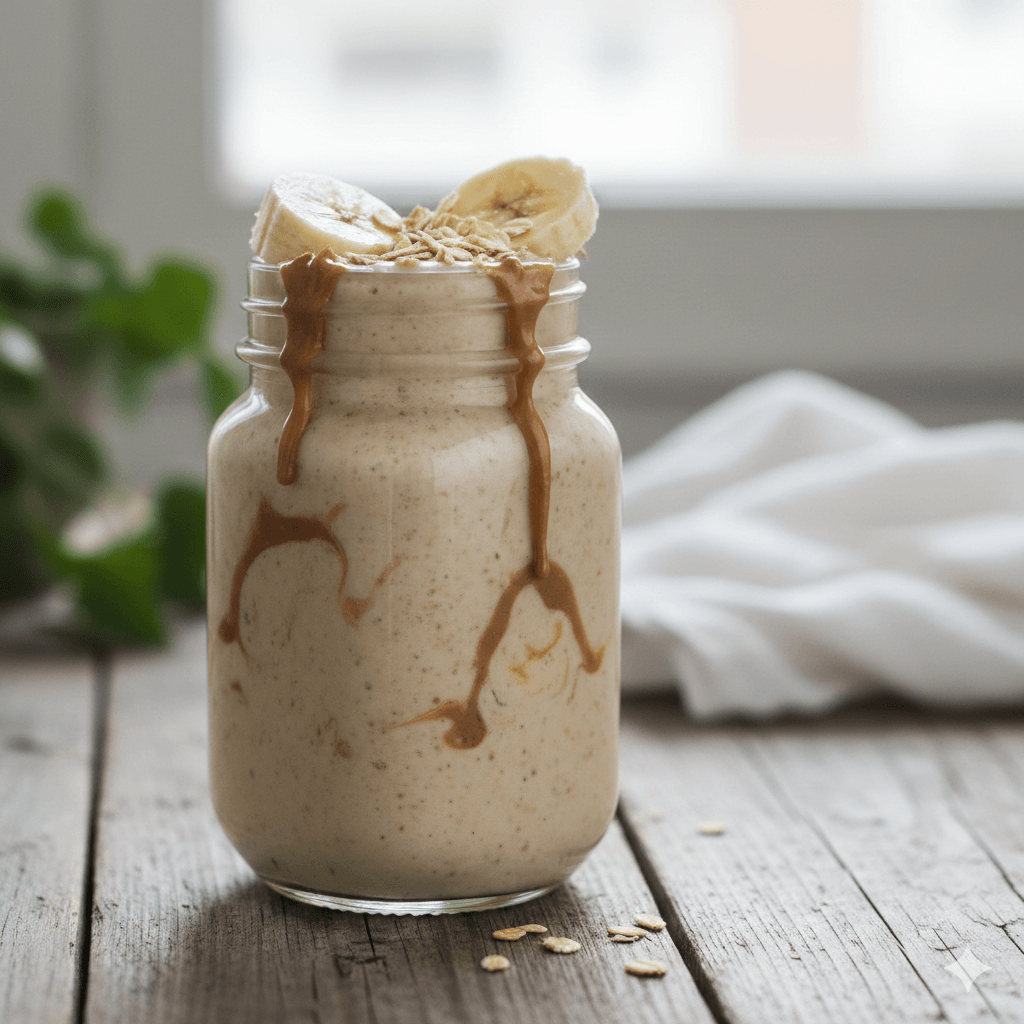
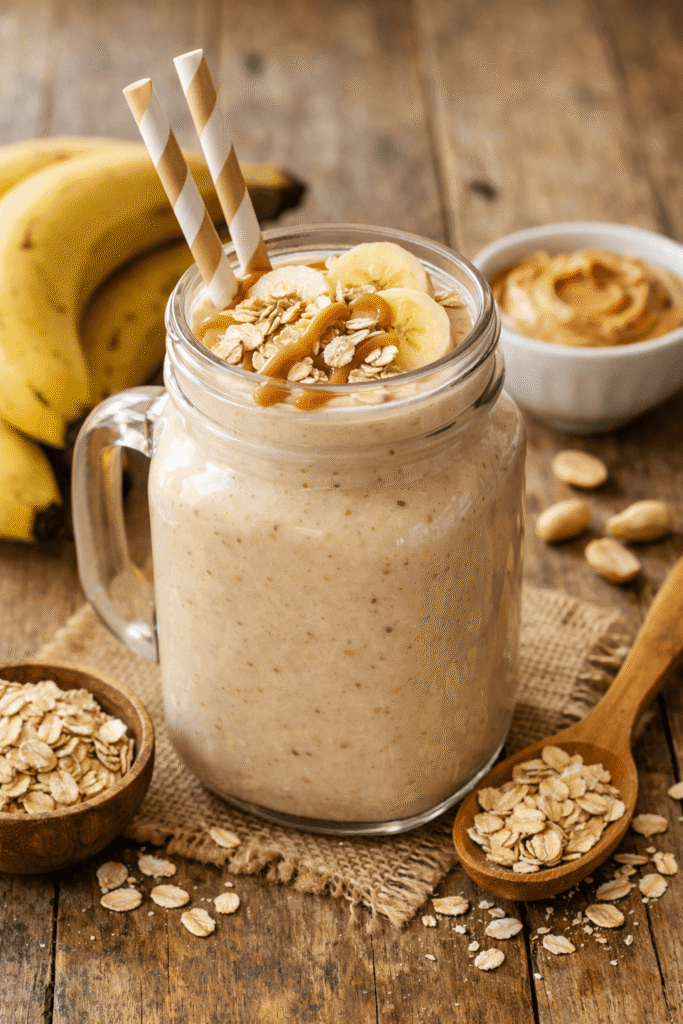
Breakfast: Smoothie (banana + peanut butter + milk + oats)
Snack: Handful walnuts
Lunch: Brown rice + sambar + vegetable
Snack: Roasted makhana
Dinner: Paneer bhurji + salad
Day 5
Breakfast: 2 egg omelet with vegetables
Snack: Apple
Lunch: Roti + chicken curry / tofu curry
Snack: Buttermilk
Dinner: Vegetable khichdi
Day 6
Breakfast: Idli + sambar

Snack: Mixed seeds
Lunch: Millet khichdi + curd
Snack: Protein smoothie
Dinner: Stir fry vegetables + grilled fish
Day 7
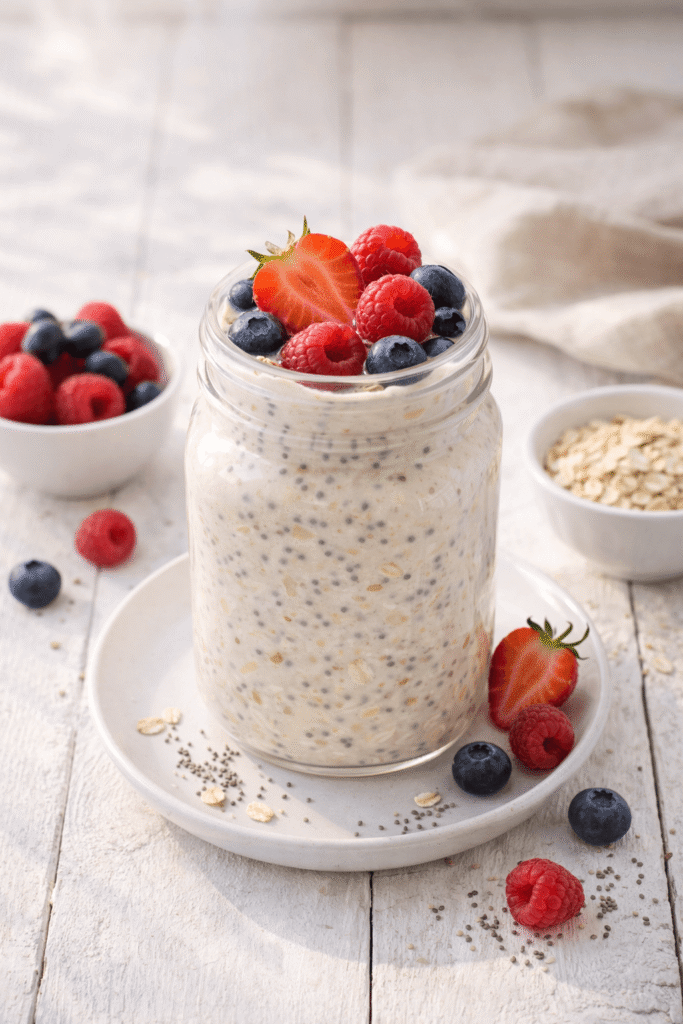
Breakfast: Overnight oats
Snack: Fruit bowl
Lunch: Veg pulao + raita
Snack: Dark chocolate (70%)
Dinner: Light vegetable soup + paneer/tofu
Beginner Grocery List
Protein
- Eggs
- Paneer
- Lentils
- Chicken
- Greek yogurt
- Tofu
Carbs
- Oats
- Brown rice
- Whole wheat flour
- Millets
- Sweet potatoes
Healthy Fats
- Almonds
- Walnuts
- Chia seeds
- Peanut butter
Vegetables
- Spinach
- Carrots
- Beans
- Capsicum
- Tomatoes
- Cucumber
Portion Control Guide for Beginners
Instead of calorie counting (which overwhelms beginners), follow this method:
- Protein = Palm size
- Carbs = Fist size
- Fats = Thumb size
- Vegetables = 2 fist size
This is what I recommend to most beginners starting their nutrition journey.
Common Beginner Mistakes (From My Experience)
After years in affiliate marketing within the health niche, I’ve reviewed hundreds of diet programs and nutrition products. Here are the biggest mistakes beginners make:
1. Buying Expensive Supplements Too Early
You don’t need 5 supplements in week 1.
Focus on:
- Whole food
- Consistency
- Sleep
2. Cutting Carbs Completely
This leads to:
- Low energy
- Mood swings
- Binge eating
3. Not Tracking Progress
Track:
- Body weight weekly
- Waist measurement
- Energy levels
Should Beginners Use Protein Powder?
As someone who has tested and promoted multiple nutrition brands over the years, here’s my honest advice:
Protein powder is:
- Convenient
- Useful if protein intake is low
- Not mandatory
If you struggle to meet protein needs from food, a quality whey protein can help.
But always:
- Check ingredients
- Avoid high sugar variants
- Buy from trusted brands
How to Make This Meal Plan Sustainable
- Meal prep twice per week
- Cook in bulk
- Keep healthy snacks visible
- Remove junk food from kitchen
- Allow 1 flexible meal per week
Sustainability > Perfection
Sample Calorie Range for Beginners
- Women: 1400–1800 kcal
- Men: 1800–2200 kcal
Adjust based on:
- Activity level
- Weight goals
- Age
- List
Frequently Asked Questions (FAQ)
1. What is the best healthy nutrition meal plan for beginners?
The best plan is one that is balanced, simple, and sustainable. It should include protein, complex carbs, healthy fats, and vegetables in every meal.
2. How many meals should beginners eat per day?
3 main meals and 1–2 healthy snacks work best for most beginners.
3. Can I lose weight with this beginner meal plan?
Yes. If followed consistently and combined with light exercise, this plan supports healthy fat loss.
4. Do I need supplements as a beginner?
Not necessarily. Whole foods should be the priority. Supplements are optional.
5. How long should I follow this plan?
At least 4–8 weeks to build strong nutrition habits.
Final Thoughts
A healthy nutrition meal plan for beginners is not about extreme dieting.
It’s about:
- Building habits
- Eating real food
- Staying consistent
- Avoiding overwhelm
After years of working in the health affiliate industry, reviewing countless diet programs, and analyzing what actually works for beginners, I can confidently say:
Simple plans win. Always.
If you implement even 80% of this guide consistently, you will see improvements in energy, digestion, and overall wellness.
Consistency beats motivation. Every single time.