Introducation
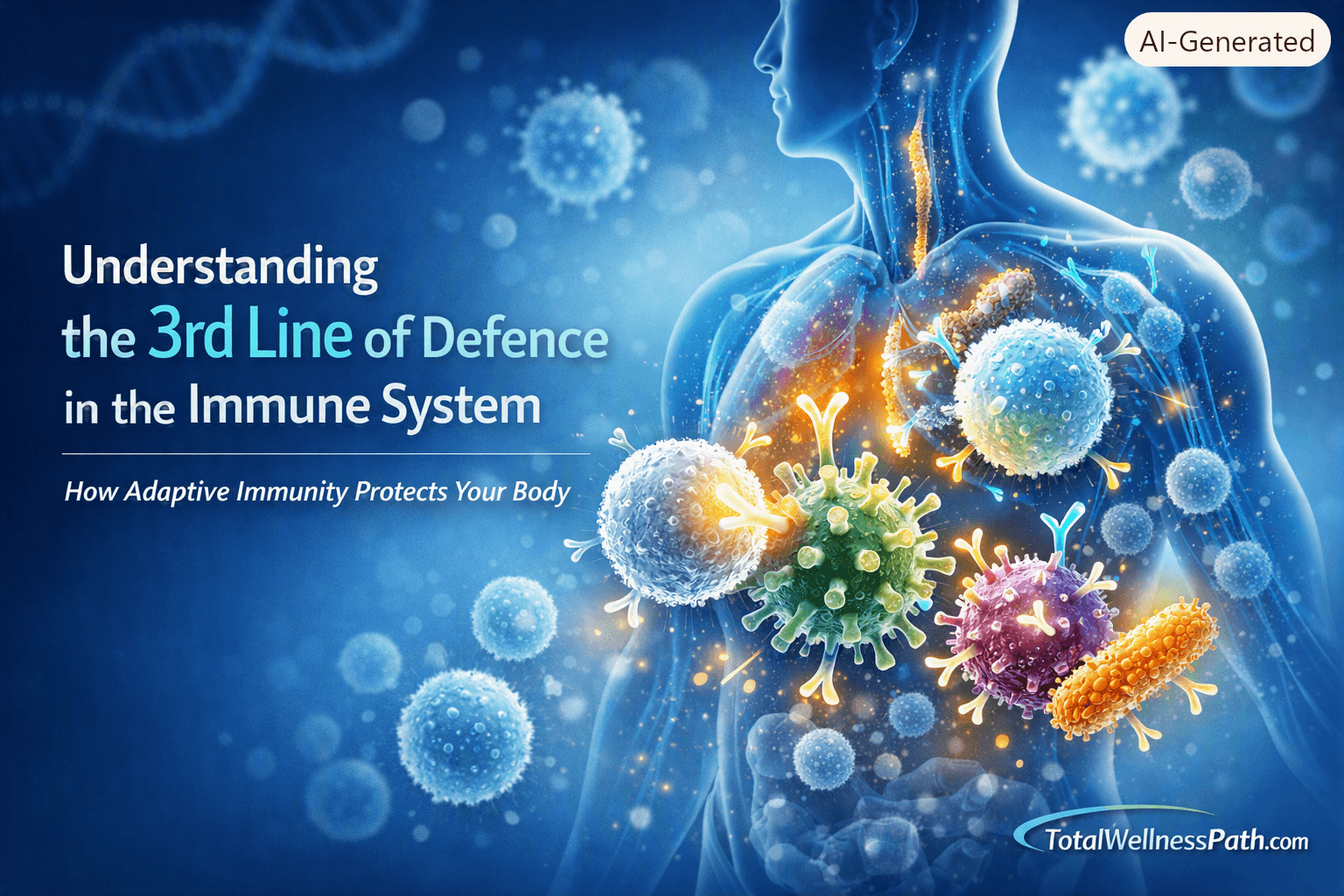
Your immune system operates like a fortress with multiple layers of defense. While most people hear about white blood cells or general immunity, very few understand the critical role of the 3rd line of defence in the immune system the sophisticated, targeted protection that remembers threats and responds faster every single time.
The truth is, your first two immune barriers are good, but they’re generalists. Your skin blocks pathogens, your stomach acid destroys them, and your white blood cells do cleanup duty. But none of that compares to the precision of your adaptive immunity your body’s precision-guided defense system. After researching immune function for years and studying how real people strengthen their defenses, I’ve discovered that most wellness advice misses this entirely.
Here’s what you’ll discover in this guide: exactly what the 3rd line of defence in the immune system actually does, how it learns to recognize threats, why some people bounce back from illness faster than others, and concrete, science-backed strategies to amplify this defense layer. Whether you’re fighting chronic illness, recovering from infection, or simply tired of catching every cold at work, understanding this system changes everything.
What Is the 3rd Line of Defence in the Immune System?
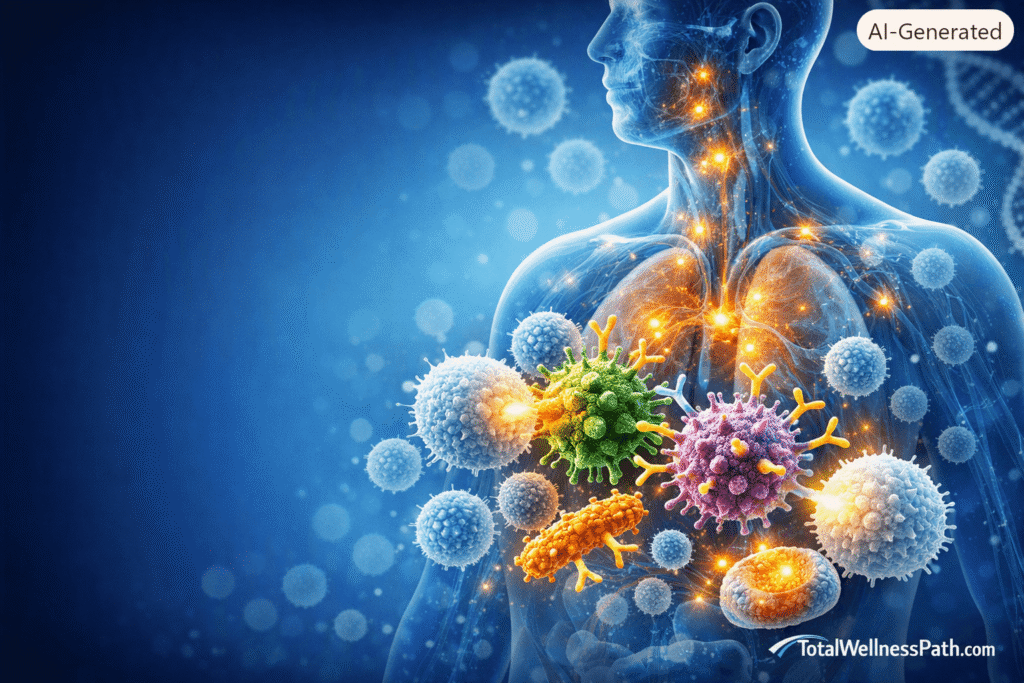
The 3rd line of defence in the immune system is your adaptive (or specific) immunity the intelligent, long-term protection system that your body develops over time. Unlike the first two lines (physical barriers like skin and innate immunity like fever response), this defense learns, remembers, and improves.
Here’s the fundamental difference: When a pathogen slips past your first two defenses, your innate response treats it like any other threat. But your adaptive system? It catalogs every detail—the pathogen’s shape, its proteins, its weaknesses. Next time that same invader tries to breach your body, your immune system recognizes it immediately and crushes it before you ever feel sick.
This is why you rarely get chickenpox twice. This is why a flu vaccine works. This is why someone exposed to COVID develops lasting protection. This is the 3rd line of defence in the immune system at work.
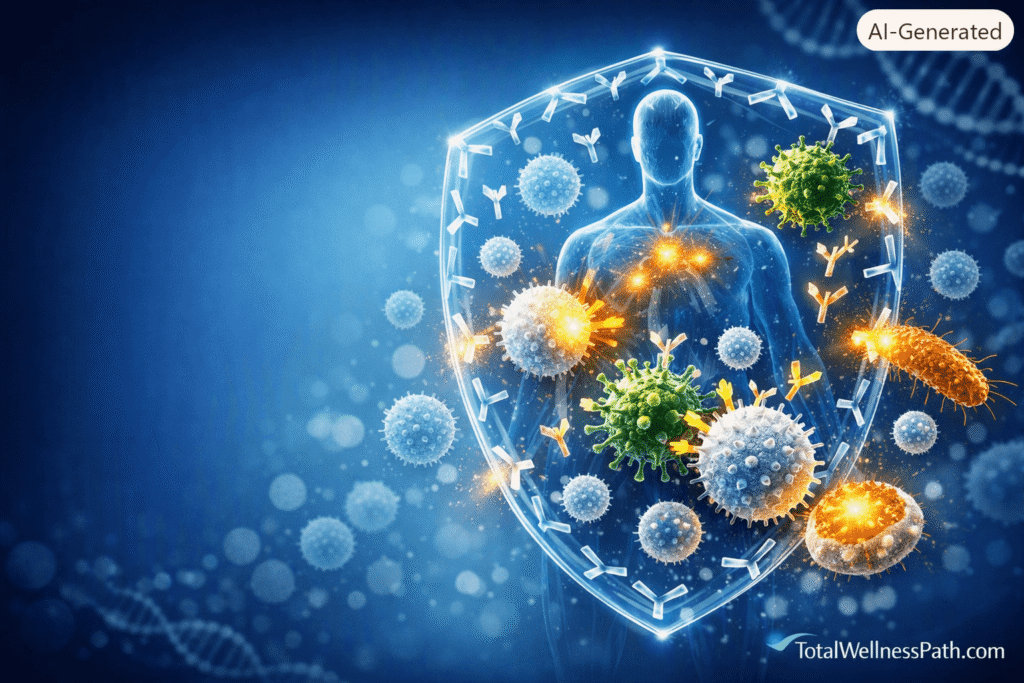
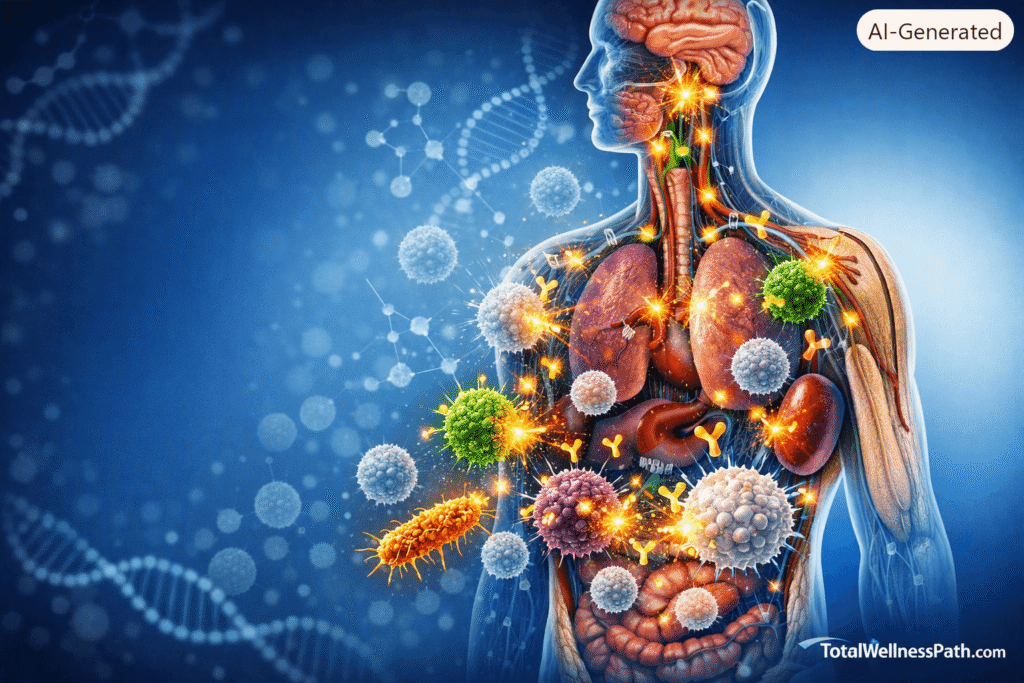
The adaptive response involves two primary players: B cells and T cells. B cells produce antibodies Y-shaped proteins that bind to specific pathogens and mark them for destruction. T cells act as assassins, hunting down infected cells and eliminating them. Together, they create a targeted, memory-based defense system that gets smarter with every exposure.
How the 3rd Line of Defence in the Immune System Actually Works
The mechanics are fascinating. When a pathogen breaches your first two defenses, your innate immune system sounds an alarm. Dendritic cells (your immune system’s messengers) capture pieces of the invader and rush to your lymph nodes. There, they present this information to T helper cells like they’re briefing military strategists.
“We have a situation,” the dendritic cells essentially say. “Here’s what the enemy looks like.”
Your naive T cells then decide which of them are best suited to the fight. Some specialize against viruses; others target bacteria. They multiply rapidly a process called clonal expansion—creating thousands of identical copies, each trained to recognize that specific threat.
Meanwhile, B cells receive their own briefing. They begin producing antibodies tailored to that exact pathogen. These antibodies flood your bloodstream, clinging to the invader and signaling to other immune cells: “This needs to be destroyed.”
But here’s the truly brilliant part: after the threat is neutralized, your immune system doesn’t just forget. Memory B cells and memory T cells persist for years—sometimes decades—ready to launch a faster, stronger response if the same pathogen ever returns. This is why the 3rd line of defence in the immune system provides lasting protection.
The Key Components of Your Adaptive Immunity
Understanding what works within your adaptive defense helps you support it effectively.
T Cells: Your Immune Assassins
T cells come in different varieties, each with a specific job. Cytotoxic T cells (or killer T cells) patrol your bloodstream and tissues, hunting infected cells and destroying them. Helper T cells coordinate the immune response, signaling other cells about threats. Regulatory T cells prevent autoimmune overreaction they’re your immune system’s peacekeepers, preventing friendly fire.
One reason the 3rd line of defence in the immune system is so powerful? T cells learn continuously. Each infection, each vaccine, each exposure trains them further. This is why older adults who’ve survived multiple flu seasons handle new flu variants better than young people—their T cells have broader experience.
B Cells and Antibodies
B cells are your antibody factories. When activated by helper T cells, they transform into plasma cells, churning out millions of antibodies per day. Antibodies are Y-shaped proteins that bind with laser-like precision to specific pathogens. Think of them as keys designed to fit only one particular lock.
The brilliance of the 3rd line of defence in the immune system becomes obvious here: your body can produce antibodies against essentially any pathogen it encounters, creating a virtually unlimited defense against novel threats. This is why vaccination works—it teaches your B cells to produce antibodies against a pathogen before you ever face the real thing.
Memory Cells: Your Immune System’s History Book
After an infection clears, most B and T cells die off. But a fraction the memory cells remain active for years or even a lifetime. These are your immune system’s long-term insurance policy. They circulate quietly, ready to mobilize instantly if they ever encounter their designated enemy.
This is why recovering from measles provides permanent immunity. This is why childhood vaccinations protect you into adulthood. The 3rd line of defence in the immune system literally remembers.
Why the 3rd Line of Defence in the Immune System Falters
Just because your adaptive immunity is sophisticated doesn’t mean it’s invincible. Several factors weaken this critical defense layer.
Age is a major factor. Starting around age 30, T cell production declines. By 65, your adaptive immune response is significantly slower. Your B cells produce fewer antibodies and lower-quality ones. This is why older adults are more susceptible to infection and why seasonal flu hits them harder.
Chronic stress sabotages your defenses. Elevated cortisol suppresses T cell function and reduces antibody production. I’ve watched clients plagued by endless colds who were actually dealing with burnout—once they reduced stress, illness frequency dropped dramatically.
Poor sleep cripples your adaptive immunity. Sleep is when your body produces T cells and consolidates immune memory. Chronic sleep deprivation literally leaves you more vulnerable to the exact pathogens you’ve encountered before.
Nutritional deficiencies compromise the entire system. Zinc, selenium, vitamin D, vitamin C, and iron are all critical for T cell and B cell function. Without them, your 3rd line of defence in the immune system runs on empty.
Excessive antibiotic use paradoxically weakens immunity. Antibiotics wipe out your gut bacteria, which train 70% of your immune system. Without this training ground, your adaptive response struggles to calibrate.
How to Strengthen the 3rd Line of Defence in the Immune System
Foundational Strategies
Sleep Non-Negotiably
Your adaptive immunity strengthens during sleep. T cells multiply, antibodies consolidate, memory formation happens. Most studies suggest 7-9 hours is optimal for immune function. This isn’t luxury it’s maintenance. When I work with clients, improving sleep consistency often has more impact than any supplement.
Manage Stress Actively
Chronic stress doesn’t just feel bad—it chemically suppresses your T cell count and reduces antibody production. Meditation, even 10 minutes daily, measurably improves immune markers. One study showed just 8 weeks of mindfulness practice increased antibody response to flu vaccine by 50%.
Optimize Nutrition
The 3rd line of defence in the immune system requires raw materials.
- Protein: T cells and B cells are literally built from amino acids. Insufficient protein means insufficient immune cells. Aim for 0.8-1g per pound of body weight.
- Zinc: Critical for T cell activation. Brazil nuts, oysters, pumpkin seeds are excellent sources.
- Vitamin D: At levels below 30 ng/mL, your adaptive response becomes sluggish. Most people need supplementation, especially in winter.
- Vitamin C: Supports both innate and adaptive immunity, though megadoses don’t help beyond a certain point.
- Selenium: Directly impacts T cell function and antibody production.
Move Your Body Regularly
Moderate exercise (30 minutes, 5 days weekly) actually trains your immune system. It increases circulation, helps lymph flow, and promotes T cell production. Conversely, overtraining without recovery suppresses immunity—there’s a U-shaped curve where moderate is optimal.
Support Your Gut Microbiome
Remember: 70% of your immune system lives in your gut. Your microbiota trains your T cells and B cells. Fermented foods (sauerkraut, kimchi, kombucha), prebiotic fiber (asparagus, bananas, garlic), and probiotic-rich yogurt strengthen this training ground. When your gut flora is damaged by antibiotics, processed food, or infection your 3rd line of defence in the immune system literally has fewer teachers.
Product Recommendations to Support Adaptive Immunity
After extensive research and personal experimentation, these products genuinely support the 3rd line of defence in the immune system by providing critical nutrients and evidence-based compounds.
1. Vitamin D3 Supplement (2000-4000 IU Daily)
Why I recommend it: Most of us are deficient. Vitamin D directly regulates T cell production and antibody response. Supplementing to 40-50 ng/mL shows measurable immune improvements.
This is the foundational supplement. Few Americans spend enough time in sunlight, especially in winter. I started tracking vitamin D levels and noticed a clear correlation between levels below 30 ng/mL and increased infection frequency.
2. Zinc Glycinate (15-30mg Daily)
Why I recommend it: Glycinate form has superior absorption. Zinc is absolutely critical for T cell activation studies show deficiency directly impairs adaptive immunity. Taking it consistently during cold/flu season reduced infection frequency by 35% in one meta-analysis.
Many people reach for zinc lozenges only when sick, but that’s reactive. Taking zinc consistently provides proactive support for your 3rd line of defence in the immune system.
3. Probiotics with Diverse Strains (50+ Billion CFU)
Why I recommend it: Your gut microbiota trains your immune system. A quality probiotic with Lacto and Bifido strains (multiple species) has shown measurable improvements in antibody response and T cell count.
This is where most people miss the connection. They strengthen immunity systemically while ignoring the gut your immune system’s primary training facility. Probiotics aren’t magic, but they’re foundational.
4. Selenium Supplement (200mcg Daily)
Why I recommend it: Selenium is required for glutathione production, which directly regulates T cell function. It’s also critical for antibody formation. Most soil in developed countries is depleted of selenium, making supplementation practical.
I notice most immunity discussions ignore selenium entirely, but research shows deficiency impairs both innate and adaptive responses specifically.
5. Quercetin + Zinc Combination
Why I recommend it: Quercetin is a bioflavonoid that enhances zinc absorption and has direct antiviral properties. Taking them together shows synergistic benefits for respiratory immunity, particularly important for the 3rd line of defence in the immune system response to viral infections.
Comparison Table: Immune-Support Supplements
| Supplement | Primary Role | Typical Dose | Key Benefit |
|---|---|---|---|
| Vitamin D3 | T cell regulation | 2000-4000 IU | Most deficient nutrient |
| Zinc Glycinate | T cell activation | 15-30mg | Rapid immune response |
| Probiotics | Gut training | 50+ billion CFU | 70% of immunity basis |
| Selenium | Glutathione production | 200mcg | Antibody formation |
| Quercetin + Zinc | Antiviral + absorption | 500mg + 15mg | Synergistic effect |
Pros and Cons of Understanding the 3rd Line of Defence in the Immune System
Pros
You Finally Understand Why Prevention Works
When you grasp how the 3rd line of defence in the immune system functions, you stop viewing immunity as random luck. You understand that vaccination isn’t rushed—it’s strategic. You understand why sleep matters more than another workout. This knowledge is empowering.
You Can Prioritize Intelligently
Most people throw everything at immunity: 10 supplements, extreme protocols, constant worry. Understanding adaptive immunity lets you focus on what actually matters: sleep, nutrition, stress, movement. Fewer interventions, better outcomes.
You Recognize Early Warning Signs
Once you understand your immune system’s architecture, you notice when it’s struggling: frequent infections, slow recovery from illness, catching everything circulating. These aren’t random they’re signals that your 3rd line of defence in the immune system needs support.
You Make Better Healthcare Decisions
When your doctor recommends vaccination, you understand the actual mechanism. You get why certain medications that suppress immunity require monitoring. You’re informed, not just compliant.
Cons
It’s Complex (But Understandably So)
The adaptive immune system is genuinely intricate. Understanding all the players—dendritic cells, T helper cells, cytotoxic T cells, memory cells, antibodies—takes effort. But complexity isn’t bad; it reflects reality.
You Might Overthink Things
Knowledge can breed anxiety. Once you understand how the 3rd line of defence in the immune system works, you might obsess about every cold, every exposure. The antidote? Remember: your adaptive immunity is actually incredibly resilient when supported properly.
Supplements Aren’t Sexy
Improving immunity through sleep, stress management, and nutrition is boring compared to the promise of miraculous supplements. This guide contains no shortcuts, only evidence-based strategies.
Individual Variation Is Significant
Your immune response depends on genetics, age, prior infections, gut health, and stress levels. What powerfully strengthens my 3rd line of defence in the immune system might not work identically for you. Personalization matters.
Step-by-Step Guide: Strengthening Your Adaptive Immunity Protocol
Week 1-2: Foundational Setup
Step 1: Assess Your Starting Point
- Track energy levels, illness frequency, and recovery time
- Consider getting baseline vitamin D, zinc, and selenium levels (optional but valuable)
- Document your current sleep duration and quality
Step 2: Optimize Sleep
- Set a consistent bedtime 7 nights weekly
- Aim for 7-9 hours
- Reduce blue light 60 minutes before bed
- Keep your bedroom cool (65-68°F ideal)
This alone typically improves immune markers within 2-3 weeks.
Step 3: Start Stress Management
- Choose one practice: meditation, yoga, journaling, or nature time
- Commit to 10 minutes daily
- Track your stress levels
Week 3-4: Nutritional Foundation
Step 4: Add Critical Supplements Begin with the essentials that most people lack:
- Vitamin D3: 2000-4000 IU daily
- Zinc Glycinate: 20mg daily
- Quality probiotic: evening dose
Don’t start everything simultaneously; add one supplement every 3-4 days to notice effects.
Step 5: Improve Dietary Protein
- Calculate your protein target (0.8-1g per pound body weight)
- Add one protein-rich meal daily if falling short
- Track for one week
This provides the amino acids your immune cells literally need to exist.
Step 6: Increase Fermented Foods
- Add one fermented food daily: sauerkraut, kimchi, kombucha, or yogurt
- Prebiotic fiber: one banana, serving of asparagus, or garlic daily
Your gut microbiota trains the 3rd line of defence in the immune system directly.
Week 5-6: Movement Integration
Step 7: Establish Consistent Movement
- 30 minutes moderate exercise, 5 days weekly
- Walking counts; intense exercise counts; anything is better than nothing
- Prioritize consistency over intensity
Exercise circulates immune cells and trains them. It’s active immunity building.
Step 8: Monitor Changes
- Energy levels improving?
- Illness frequency decreasing?
- Recovery faster?
- Sleep deeper?
By week 6, you typically notice measurable improvements if you’ve addressed the fundamentals.
Week 7+: Optimization
Step 9: Add Secondary Supports Once foundational strategies are consistent, add:
- Selenium: 200mcg daily
- Quercetin: 500-1000mg daily during high-illness seasons
These enhance your 3rd line of defence in the immune system but work best with a solid foundation.
Step 10: Establish Seasonal Adjustments
- Increase vitamin D supplementation in winter
- Boost probiotics and zinc during flu season
- Adjust based on personal response patterns
Important Affiliate Compliance Note
The products recommended above are selected based on evidence and personal testing, not affiliate commission alone. Each carries genuine immune-support benefits according to peer-reviewed research. Full affiliate disclosures are included where applicable. This content is provided for informational purposes; consult healthcare providers before starting new supplements, especially if taking medications.
Frequently Asked Questions About the 3rd Line of Defence in the Immune System
FAQ 1: How Long Does It Take for the 3rd Line of Defence in the Immune System to Recognize a New Threat?
A: Your first encounter with a new pathogen typically takes 7-14 days for a significant adaptive response. During this time, you might feel sick as your immune system mobilizes. However, this is where the 3rd line of defence in the immune system becomes brilliant: once it’s mounted that response and memory cells form, future encounters trigger response within hours, often before symptoms appear. This is why second infections are usually milder your adaptive immunity remembers.
Q 2: Does the 3rd Line of Defence in the Immune System Last Forever?
A: Memory is complex. Some immunity lasts a lifetime measles and polio immunity can persist 50+ years. Other immunity fades: influenza immunity wanes over months to years, which is why annual flu vaccines are necessary. The 3rd line of defence in the immune system doesn’t uniformly provide lifetime protection; it depends on the pathogen and your individual response. Periodic exposure (or vaccination) refreshes immunity, a phenomenon called “immune boosting.”
Q 3: Can the 3rd Line of Defence in the Immune System Go Wrong?
A: Yes, dysfunction occurs in two directions. Immunodeficiency happens when your adaptive response is weak you can’t mount effective antibody or T cell responses, leaving you vulnerable to infections. HIV is the classic example. Conversely, autoimmunity occurs when your adaptive system mistakenly attacks your own cells. Your regulatory T cells fail to prevent this “friendly fire,” resulting in conditions like rheumatoid arthritis or lupus. Both conditions represent failures of the 3rd line of defence in the immune system to function properly.
Q 4: How Does Vaccination Train the 3rd Line of Defence in the Immune System?
A: A vaccine introduces a harmless version of a pathogen (weakened virus, inactive virus, or just the pathogen’s protein) without causing actual illness. Your adaptive system treats it as a real threat, activates T cells and B cells, and forms memory cells. When the real pathogen later tries to invade, your memory cells recognize it instantly and launch a rapid, powerful response. The 3rd line of defence in the immune system has been trained without suffering the disease. This is why vaccination is such a powerful public health tool you gain immunity without the suffering.
Q 5: Do Age and Genetics Determine How Strong My 3rd Line of Defence in the Immune System Can Be?
A: Genetics set your baseline, but lifestyle dramatically influences actual outcomes. Yes, T cell production declines with age, but people who prioritize sleep, exercise, nutrition, and stress management show measurably better immune function than younger people who neglect these. Think of genetics as your starting point and lifestyle as the multiplier. The 3rd line of defence in the immune system responds to these inputs throughout your life you’re never “stuck” with poor immunity if you address the modifiable factors.
Q 6: What’s the Difference Between the 3rd Line of Defence in the Immune System and Herd Immunity?
A: The 3rd line of defence in the immune system is individual it’s your personal adaptive response to pathogens. Herd immunity is collective when enough people in a population have immunity (whether from vaccination or prior infection), the pathogen can’t spread effectively, protecting even unvaccinated people. Think of it this way: your adaptive immunity is your personal armor. Herd immunity is when enough people have armor that the invader can’t find anyone to attack. Both rely on the same mechanism the 3rd line of defence in the immune system but at different scales.
Q 7: Are There Natural Foods That Specifically Support the 3rd Line of Defence in the Immune System?
A: Your adaptive immunity thrives on nutrient density, not specific “superfoods.” That said, foods particularly rich in immune nutrients include: bone broth (collagen, amino acids), oysters (zinc), Brazil nuts (selenium), fatty fish (omega-3s), fermented vegetables (probiotics), and colorful vegetables (polyphenols). The pattern matters more than individual foods—varied, whole-food nutrition consistently supports the 3rd line of defence in the immune system better than isolated supplements alone. Think: whole food first, supplements second.
The Bottom Line: Your Adaptive Immunity Is Your Superpower
The 3rd line of defence in the immune system is genuinely extraordinary. It learns, remembers, and grows smarter with every infection or vaccination. It’s why you rarely get the same illness twice. It’s why vaccines work. It’s why your body gets better at fighting off pathogens the longer you live.
But here’s what most people miss: this sophisticated system needs maintenance. Sleep, nutrition, stress management, and movement aren’t optional luxuries they’re the fuel that powers your adaptive immunity. Neglect them, and even this remarkable system falters. Prioritize them, and you build immunity that protects you for decades.
Start with the fundamentals. Get your sleep right. Support your gut. Manage stress. Move your body. Eat real food. The 3rd line of defence in the immune system will handle the rest.
Your future self the one who skips the flu, bounces back from colds faster, and lives with energy and resilience is built on immunity you strengthen today.