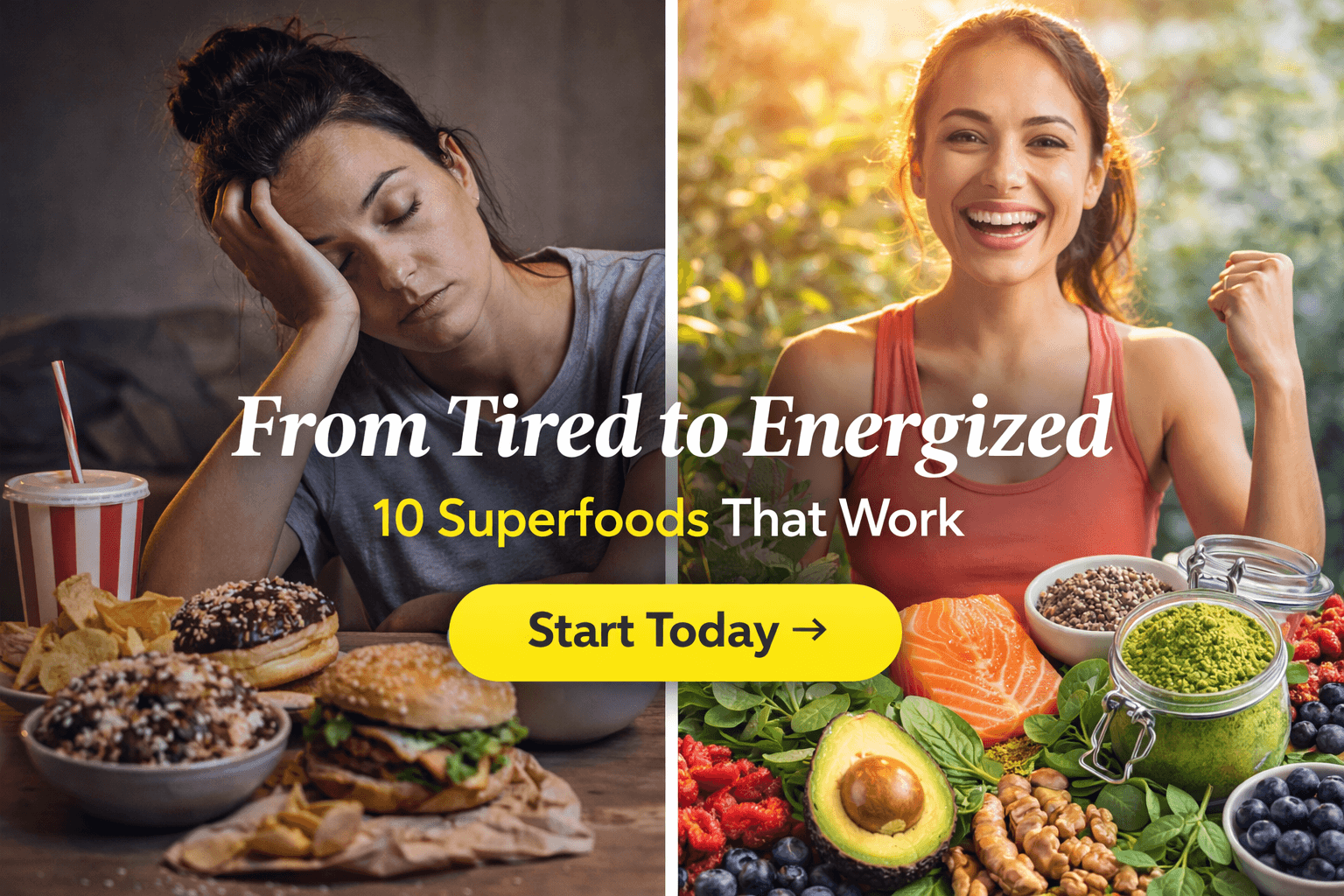
Introduction: Why Your Daily Food Choices Are Your Real Energy Plan
Let me be honest with you I spent years feeling sluggish by 2 PM, reaching for a third cup of coffee and wondering why my body just wouldn’t cooperate. Sound familiar?
The turning point wasn’t some expensive supplement stack or a fancy detox program. It was genuinely understanding which real foods were doing the heavy lifting for my energy, immunity, and long-term health and which ones were just marketing noise dressed up in a green label.
That’s exactly what this article is about. If you’re searching for the 10 best superfoods for daily health and energy, you’ve landed in the right place. I’m not going to throw a random list at you. Instead, you’ll get science-backed insights, practical ways to actually use these foods, and honest product recommendations that I’ve personally found worth the money.
By the end, you’ll have a clear, actionable superfood strategy you can start using tomorrow morning.
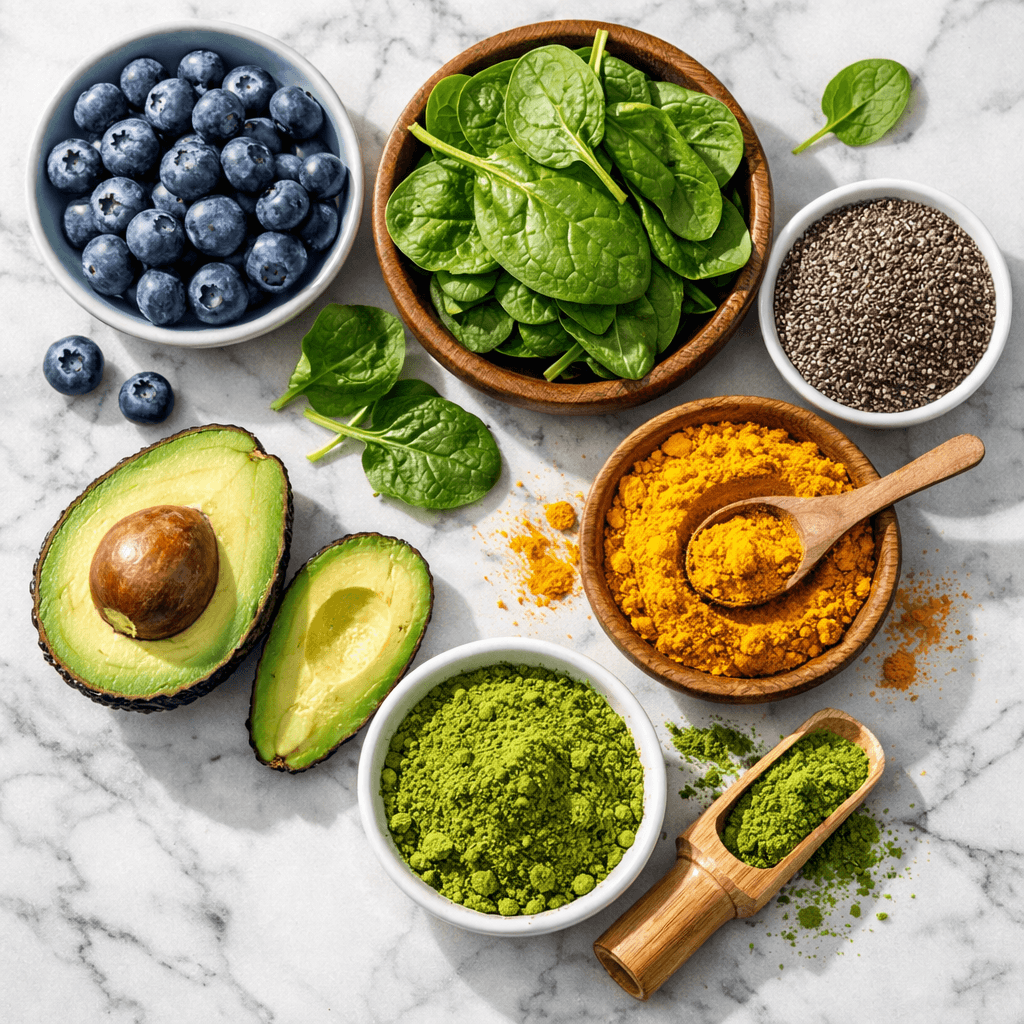
What Makes a Food a “Superfood” : And Why It Matters
The word “superfood” gets thrown around so much it’s almost lost meaning. But here’s a working definition that actually holds up: a superfood delivers an unusually dense concentration of nutrients , vitamins, minerals, antioxidants, healthy fats, or phytochemicals relative to its calorie count.
That ratio matters enormously for daily energy and health because:
- Your mitochondria (your cellular power plants) need specific micronutrients to function
- Chronic inflammation quietly drains your energy reserves every single day
- Gut health directly regulates serotonin production, which affects both mood and stamina
With that framework in mind, here are the ten superfoods that genuinely earn the title.
The 10 Best Superfoods for Daily Health and Energy
1. Blueberries : The Antioxidant Powerhouse
If I had to choose just one fruit to eat every single day, it would be blueberries and the research backs me up hard on this one.
Blueberries are loaded with anthocyanins, the plant compounds responsible for their deep blue color and their remarkable anti-inflammatory properties. A single cup gives you roughly 4 grams of fiber, strong doses of Vitamin C and K, and a manganese boost that supports healthy bone metabolism.
What makes them special for energy? Studies have linked regular blueberry consumption to improved cognitive performance meaning less brain fog, sharper focus, and better mental stamina throughout the day. For anyone working long hours or managing a demanding schedule, that cognitive edge is everything.
How I use them: Frozen wild blueberries blended into a morning smoothie. Wild varieties have been shown to contain higher antioxidant concentrations than cultivated ones.
Product Recommendation: Wild Blueberry Powder (freeze-dried) great for days when fresh berries aren’t available . I recommend this because freeze-drying preserves the anthocyanin content far better than heat-dried alternatives.
2. Spinach : The Quiet Workhorse of Daily Nutrition
Spinach doesn’t get the excitement it deserves because it’s not exotic
but gram for gram, it’s one of the most nutrient-dense foods on earth.
Key nutrients per 100g of raw spinach:
- Iron: 15% of Daily Value
- Magnesium: 20% of Daily Value
- Folate: 49% of Daily Value
- Vitamin K: 460% of Daily Value
Magnesium is the real story here for energy. It’s involved in over 300 enzymatic reactions in the human body, and magnesium deficiency is shockingly common with many researchers estimating that a significant portion of the population in developed countries falls short. Low magnesium = poor sleep, muscle fatigue, and chronic exhaustion.
Practical tip: Lightly sauté spinach in olive oil rather than eating it raw every day. Cooking breaks down oxalates, which can block mineral absorption when consumed in very large quantities raw.
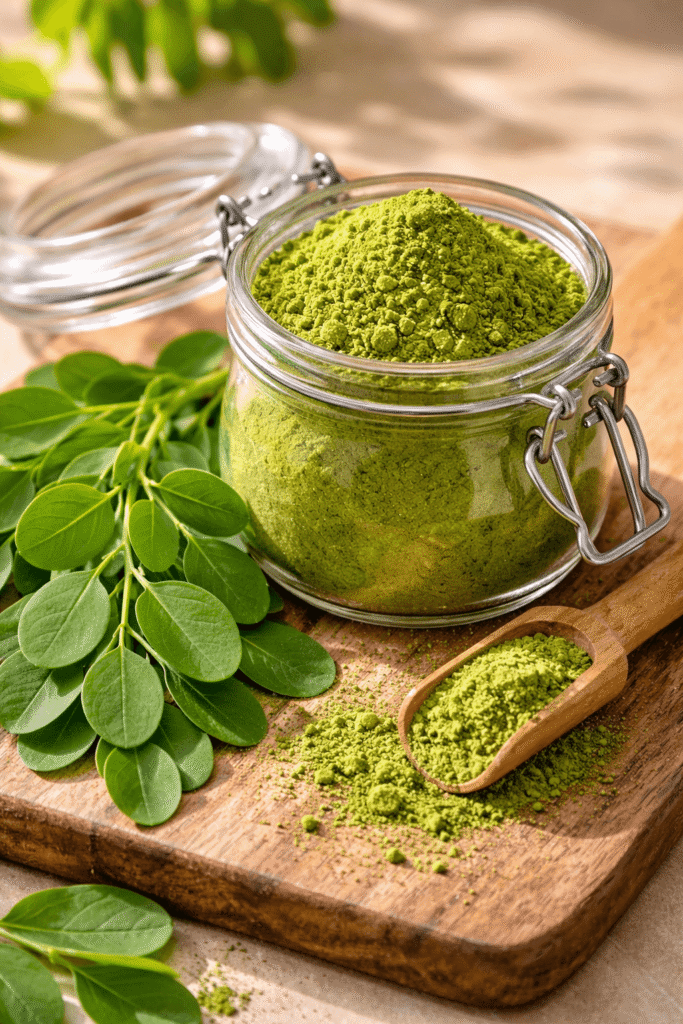
3. Moringa : The Superfood Most People Are Still Sleeping On
This one changed how I think about plant nutrition. Moringa oleifera : sometimes called the “miracle tree” has been used in Ayurvedic medicine for centuries, and Western nutritional science is finally catching up.
Moringa leaves contain:
- 7x the Vitamin C of oranges
- 4x the calcium of milk
- 3x the potassium of bananas
- All 9 essential amino acids (making it a rare complete plant protein)
For daily energy, moringa’s combination of B vitamins, iron, and amino acids creates a sustained, non-jittery energy lift that’s completely different from caffeine. I started adding moringa powder to my afternoon smoothies and noticed a meaningful difference in my 3 PM energy dip within about two weeks.
Product Recommendation: Organic Moringa Powder — look for USDA Certified Organic, single-origin varieties. I specifically recommend Kuli Kuli or Zen Principle brands for quality and sourcing transparency.
4. Wild-Caught Salmon : Your Brain’s Best Friend
Here’s where I’ll push back a little on the strictly plant-based superfood narrative: wild-caught salmon belongs on this list, full stop.
The omega-3 fatty acids in salmon specifically EPA and DHA are not interchangeable with the ALA found in flaxseed or walnuts. Your body converts ALA to EPA/DHA very inefficiently (often less than 10%). Salmon delivers the bioavailable forms directly.
Why it matters for energy and health:
- Reduces systemic inflammation (a key energy drain)
- Supports mitochondrial membrane function
- Linked to significantly reduced depression and anxiety symptoms
- Supports cardiovascular efficiency, meaning your heart pumps blood — and oxygen — more effectively
Two to three servings per week is widely considered the evidence-backed sweet spot.
Practical tip: If fresh wild-caught salmon isn’t accessible or affordable year-round, high-quality canned sockeye salmon is an excellent, budget-friendly alternative with comparable omega-3 content.
5. Chia Seeds : Tiny Seeds, Massive Nutritional Return
Two tablespoons of chia seeds deliver:
- 10 grams of fiber
- 5 grams of protein
- 18% Daily Value of calcium
- Significant amounts of phosphorus and magnesium
That fiber content is the game-changer for sustained energy. Chia seeds form a gel in liquid that slows digestion, preventing the blood sugar spikes and crashes that cause mid-morning and mid-afternoon energy slumps. They essentially turn any meal into a slow-release energy source.
My go-to use: Overnight chia pudding with coconut milk and a handful of berries. Takes 3 minutes to prepare the night before, and it’s a genuinely filling, energizing breakfast.
💡 Product Recommendation: Organic Black Chia Seeds (Bulk) : Buying in bulk significantly reduces cost per serving — chia seeds store well for up to two years in a cool, dry place.
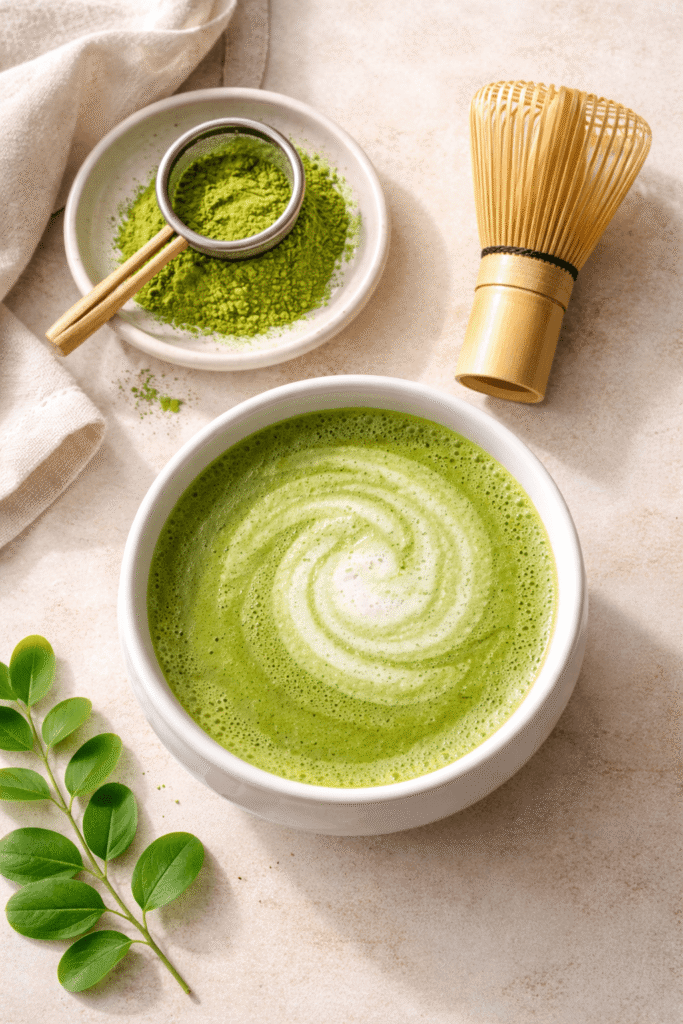
6. Matcha Green Tea : Calm, Focused Energy Without the Crash
If you’ve been relying on coffee for energy and experiencing anxiety, jitteriness, or a hard afternoon crash, matcha deserves a serious look.
Matcha contains L-theanine, an amino acid that promotes calm alertness by modulating how caffeine affects your brain. The combination produces a state that regular coffee simply can’t replicate focused, relaxed energy without the spike-and-crash pattern.
Beyond the energy benefits, matcha is exceptionally rich in EGCG (epigallocatechin gallate), one of the most studied antioxidant compounds in nutritional science, linked to metabolic support, cardiovascular health, and cellular protection.
Quality matters enormously here. Ceremonial-grade matcha from Japan has a noticeably different taste and nutritional profile compared to culinary-grade or blended products.
💡 Product Recommendation: Ceremonial Grade Matcha from Uji, Japan I recommend Jade Leaf for budget-friendly quality and Ippodo for premium ceremonial experience.
7. Avocado : Healthy Fats That Actually Fuel You
Avocados are one of the rare fruits that are rich in fat and that’s precisely why they belong on this list.
The monounsaturated fat in avocados (oleic acid, the same primary fat in olive oil) is exceptional for:
- Reducing LDL cholesterol while maintaining HDL
- Supporting brain cell membrane integrity
- Slowing carbohydrate absorption for steady energy
- Enhancing absorption of fat-soluble vitamins (A, D, E, K) from other foods in your meal
One avocado also delivers about 10 grams of fiber and a meaningful dose of potassium actually more potassium than a banana, without the blood sugar spike.
Practical insight: Adding avocado to a salad increases your absorption of carotenoids from the other vegetables by several times. It’s a nutritional multiplier, not just a standalone food.
8. Quinoa : The Complete Protein Grain
Technically a seed, quinoa is one of the very few plant foods that provides all nine essential amino acids in meaningful quantities, making it a complete protein source.
For energy and health, what sets quinoa apart from other carbohydrate sources:
- Lower glycemic index than most grains → steadier blood sugar
- High magnesium content → better ATP energy production
- Rich in manganese → antioxidant enzyme support
- Substantial iron content → better oxygen transport
It’s also gluten-free, making it accessible for a wide range of dietary needs.
Practical tip: Rinse quinoa thoroughly before cooking to remove saponins (the naturally bitter coating). Cook it in bone broth or vegetable broth instead of water for a significant flavor upgrade.
9. 🫚 Turmeric : The Anti-Inflammatory Cornerstone
Chronic, low-grade inflammation is arguably the single biggest invisible drain on daily energy and long-term health. Turmeric’s active compound, curcumin, is one of the most extensively studied natural anti-inflammatory agents in existence.
The critical caveat most articles miss: curcumin has very low bioavailability on its own. To actually absorb meaningful amounts, you need:
- Black pepper (piperine) : increases absorption by up to 2,000%
- A fat source : curcumin is fat-soluble
- Heat : light cooking improves absorption
A golden milk latte (turmeric + black pepper + coconut milk + a touch of honey) hits all three criteria and is genuinely one of my favorite evening wind-down rituals.
💡 Product Recommendation: High-Potency Curcumin Supplement with BioPerine For therapeutic-level benefits, a quality supplement with enhanced bioavailability outperforms cooking turmeric alone.
10. Walnuts : The Brain-Shaped Nut That Actually Feeds Your Brain
It’s almost poetic that walnuts resemble a human brain because they’re among the best foods you can eat for neurological health and mental energy.
Walnuts are uniquely rich in:
- ALA omega-3s (the highest of any tree nut)
- Polyphenols with strong neuroprotective properties
- Melatonin : supporting sleep quality, which directly impacts daytime energy
- Arginine : an amino acid that supports healthy blood vessel function
Research from multiple long-term studies has linked regular walnut consumption with improved memory, processing speed, and reduced cognitive decline risk.
Optimal dose: 1–1.5 ounces (about a small handful) daily. More isn’t necessarily better walnuts are calorie-dense, and this amount delivers the benefits without excessive caloric load.
Pros & Cons of Building a Superfood-Focused Diet
| Pros | Cons |
|---|---|
| Nutrient density far exceeds standard Western diet foods | Some superfoods (like wild salmon, moringa) can be expensive |
| Natural, sustained energy without stimulant dependency | Requires meal planning and habit change |
| Anti-inflammatory effects compound over time | Marketing hype makes quality control important |
| Most superfoods support multiple body systems simultaneously | Exotic options may not be locally available year-round |
| Long-term health ROI is exceptional | Supplement forms vary wildly in quality |
Practical Step-by-Step: How to Actually Integrate These Superfoods Daily
The biggest mistake people make is trying to overhaul everything at once. Here’s a sustainable approach:
Week 1 : Breakfast Revolution Add chia seeds to overnight oats or yogurt. Swap your second coffee for matcha. Add a handful of blueberries to whatever you’re already eating.
Week 2 : The Lunch Upgrade Build one lunch per day around a quinoa base. Add a handful of raw spinach. Use avocado as your fat source instead of processed dressings.
Week 3 : Dinner Optimization Introduce wild-caught salmon twice this week. Add turmeric + black pepper to sauces, soups, or roasted vegetables. Swap your dessert snack for walnuts.
Week 4 : Stack and Sustain You now have a sustainable framework. Layer in moringa powder where convenient. Evaluate how your energy, sleep, and focus have shifted. Adjust from there.
The compound effect of consistent superfood intake typically becomes clearly noticeable around the 3–4 week mark not overnight, but durably.
Conclusion: Your Energy Starts on Your Plate
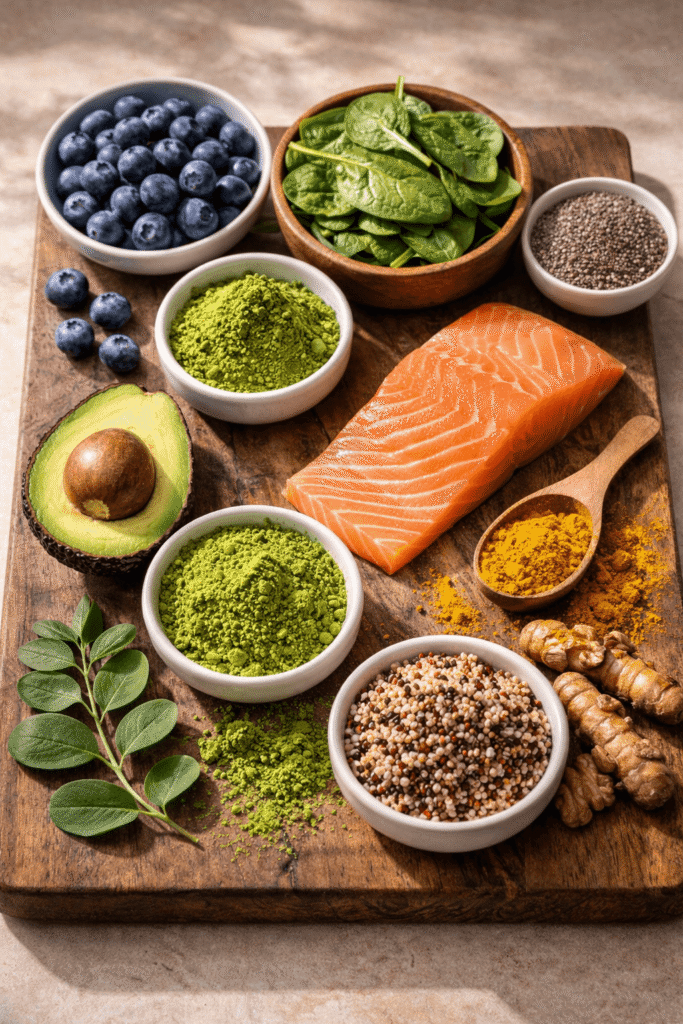
The 10 best superfoods for daily health and energy aren’t a magic cure — they’re a strategic upgrade to the raw materials your body works with every single day. Blueberries, spinach, moringa, wild salmon, chia seeds, matcha, avocado, quinoa, turmeric, and walnuts each bring something irreplaceable to the table.
The best part? You don’t need all ten every day. Even rotating through these consistently will create a meaningfully different baseline for your energy, focus, mood, and long-term health trajectory.
Start with one. Build the habit. Then stack.
If this guide gave you value, bookmark it, share it with someone who’s always complaining about feeling tired, and drop your own superfood experience in the comments. I’d genuinely love to hear what works for you.
FAQ : 10 Best Superfoods for Daily Health and Energy
Q1: What are the best superfoods to eat every day for energy? The most consistently effective daily superfoods for energy are chia seeds (for sustained blood sugar stability), matcha (for calm focus), blueberries and spinach (for magnesium, which directly powers cellular energy production).
Q2: Can superfoods replace energy drinks or coffee? For many people, yes particularly matcha (which contains L-theanine for smooth energy without crashes) and moringa (which provides B vitamins and iron for natural stamina). The transition takes 2–3 weeks as your body adjusts.
Q3: Are superfood supplements as effective as whole foods? For some nutrients like curcumin (turmeric) and omega-3s, well-formulated supplements with enhanced bioavailability can actually outperform whole food sources. For most other superfoods, whole or minimally processed forms are preferable.
Q4: What superfoods are best for fighting fatigue and brain fog? Wild-caught salmon (DHA for brain function), walnuts (neuroprotective polyphenols), matcha (L-theanine + caffeine synergy), and blueberries (anthocyanins for cognitive performance) are the most evidence-backed options for mental fatigue.
Q5: How long does it take to feel the effects of superfoods? Most people notice meaningful changes in energy, sleep quality, and mental clarity within 3–4 weeks of consistent daily superfood consumption. Anti-inflammatory effects from turmeric and omega-3s can take 6–8 weeks to fully manifest.
Q6: What are the cheapest superfoods for daily health? Frozen spinach, canned wild salmon, bulk chia seeds, frozen blueberries, and eggs (a superfood in their own right) are all highly nutrient-dense and extremely affordable — often under $2 per serving.
Q7: Are superfoods safe for everyone? Most whole food superfoods are safe for the general population. However, individuals on blood thinners should be cautious with high-dose turmeric and omega-3 supplements. Those with kidney issues should moderate high-oxalate foods like raw spinach. Always consult a healthcare provider if you have existing conditions.
Disclosure: This article contains affiliate link placeholders. If you purchase through those links, I may earn a small commission at no extra cost to you. I only recommend products I’ve personally vetted or would genuinely use myself.