I’ve spent years diving deep into the health and wellness niche testing products, reading clinical studies, interviewing nutritionists, and honestly, watching my own father go through a cardiac event that changed how our entire family thinks about food. So when I write about nutrition diet for heart health adults, I’m not just recycling information from WebMD. I’m telling you what I’ve seen work in real life, what’s overhyped, and where the science actually lands.
Why Heart Health Nutrition Deserves Your Full Attention Right Now
Cardiovascular disease remains the number one killer of adults globally. In India alone, heart disease accounts for nearly 28% of all deaths and a significant chunk of that is preventable through diet. I say this not to scare you, but because after watching thousands of people in health communities I’m part of make genuine dietary changes and reverse early-stage markers like high LDL cholesterol, high triglycerides, and elevated blood pressure I know the food you eat is medicine.
The problem? Most “heart-healthy diet” content online is vague. “Eat more vegetables.” “Reduce sodium.” Great. But which vegetables? How much sodium? And what about everything else on your plate?
That’s what this guide is actually going to answer.
Before I break down specific foods, you need to understand one thing: no single food saves your heart, but your overall dietary pattern absolutely does Nutrition Diet for Heart Health Adults.
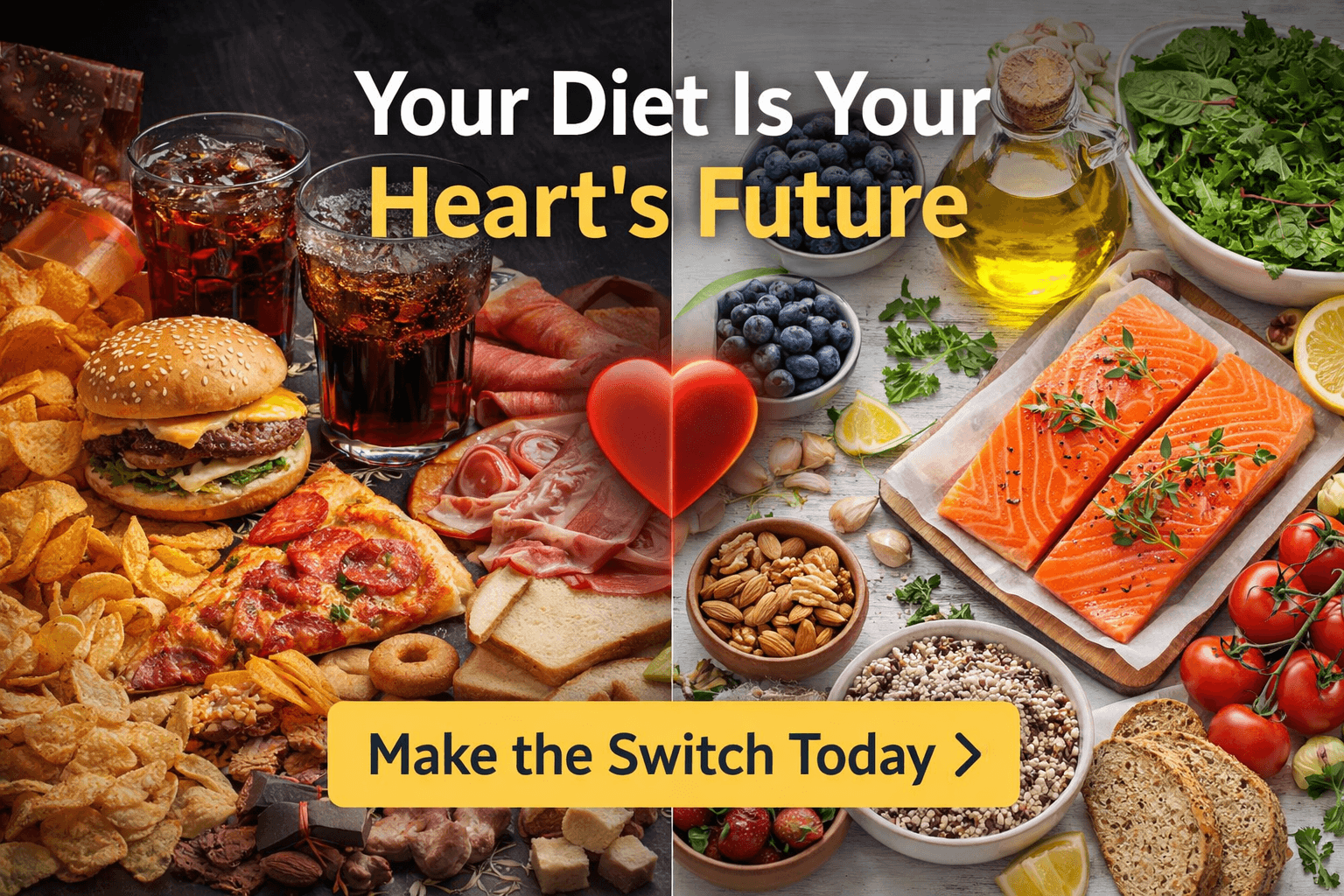
The two dietary frameworks that have the most robust clinical backing are the Mediterranean Diet and the DASH Diet (Dietary Approaches to Stop Hypertension). I’ve seen both recommended by cardiologists consistently, and the data backs them up. What’s interesting is they share a lot of DNA.
Here’s what both emphasize:
Eat More Of:
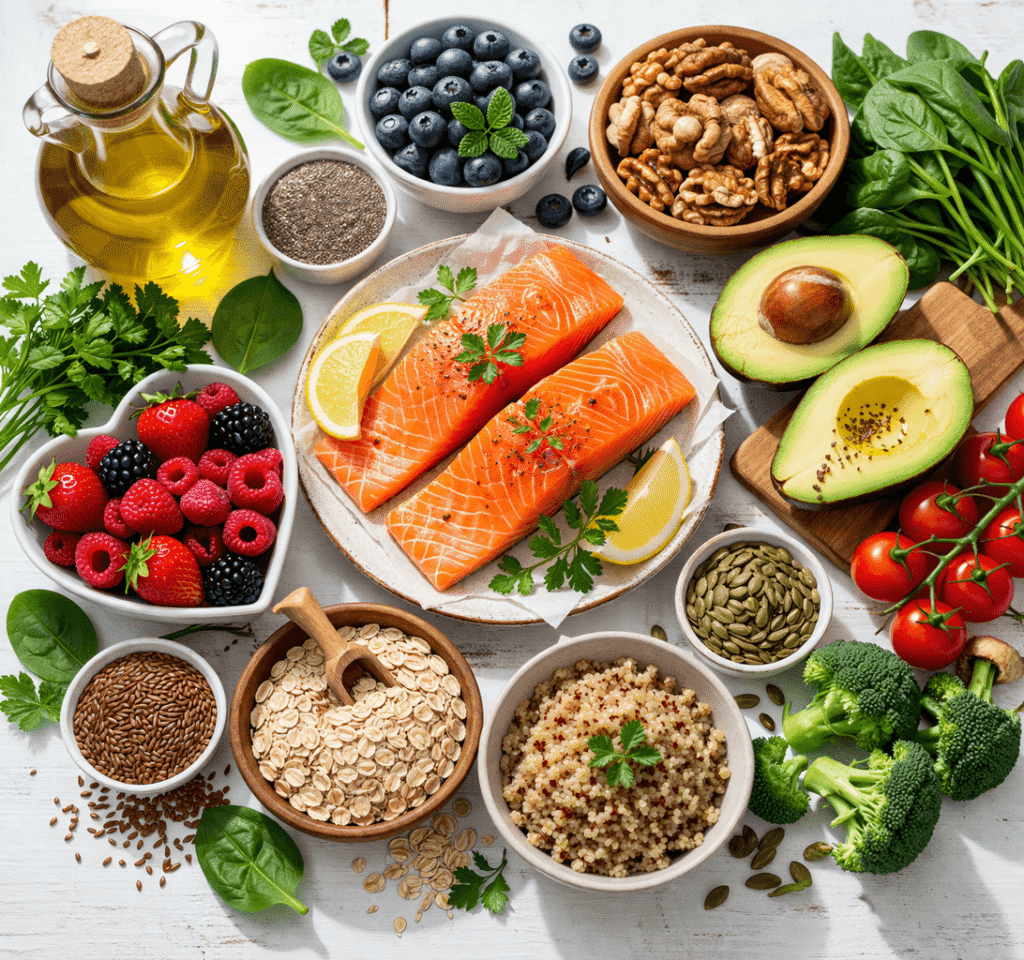
- Fatty fish (salmon, mackerel, sardines, tuna)
- Leafy green vegetables (spinach, kale, methi/fenugreek leaves)
- Whole grains (oats, brown rice, barley, millets)
- Legumes (lentils, chickpeas, kidney beans)
- Nuts and seeds (walnuts, flaxseeds, chia seeds, almonds)
- Fruits (especially berries, pomegranate, citrus)
- Healthy fats (extra virgin olive oil, avocado)
Cut Back On:
- Trans fats (vanaspati, partially hydrogenated oils, most packaged biscuits and snacks)
- Refined carbohydrates (white bread, maida, sugary cereals)
- Excess sodium (processed foods, pickles, papad consumed in large quantities)
- Red and processed meats
- Sugary beverages
That’s the broad strokes. Now let me go deeper — because this is where most articles stop and where the real value begins.
The Best Foods for Heart Health Adults
1. Fatty Fish — Your Omega-3 Superstar
If I could pick one food category that’s had the most consistent research backing for cardiovascular health, it’s fatty fish. Salmon, mackerel, hilsa (especially beloved in Bengali households), and sardines are loaded with EPA and DHA — two forms of omega-3 fatty acids that directly reduce triglycerides, lower inflammation, and have been shown to reduce the risk of arrhythmia.
The American Heart Association recommends at least two servings of fatty fish per week. If you’re vegetarian or vegan, flaxseeds, walnuts, and chia seeds offer ALA the plant-based omega-3. The conversion to EPA/DHA isn’t as efficient, but it still contributes meaningfully to heart protection.
I’ve personally recommended algae-based omega-3 supplements to people who don’t eat fish, and the feedback has been positive especially for those with high triglycerides.
2. Oats and Whole Grains — Soluble Fiber is Your LDL Enemy
Here’s something I drill into people constantly: soluble fiber is one of the most underrated tools for lowering LDL (“bad”) cholesterol. Oats contain beta-glucan, a soluble fiber that forms a gel-like substance in your gut that literally binds to cholesterol and carries it out of the body before it gets absorbed.
A bowl of oatmeal every morning is not a grandpa thing — it’s a clinically proven cholesterol intervention. Studies show 3 grams of beta-glucan daily (about 1.5 cups of cooked oats) can reduce LDL by 5–10%. That’s meaningful.
Other solid whole grain options: barley, brown rice, jowar (sorghum), bajra (pearl millet), and ragi. If you’re in India, our traditional grain basket is actually a goldmine for heart health.
3. Leafy Greens — The Nitrate Advantage

Spinach, kale, arugula — these are high in dietary nitrates, which the body converts to nitric oxide. Nitric oxide relaxes and dilates blood vessels, which directly helps lower blood pressure. This is the same mechanism behind beet juice being popular in the athletic community for performance.
Beyond nitrates, leafy greens are also rich in Vitamin K, which helps with arterial calcification regulation, folate, and potassium — all cardiovascular-protective nutrients.
If you’re not big on salads, sauté them with garlic and olive oil. Throw them into dal or soups. There’s no excuse to avoid them.
4. Nuts and Seeds — Calorie-Dense, But Worth It
Walnuts specifically have a unique ratio of omega-3 to omega-6 fatty acids that makes them genuinely heart-protective. A handful a day (about 28 grams) has been linked to improved cholesterol markers in multiple trials.
Almonds are great for LDL reduction. Flaxseeds and chia seeds bring in lignan phytoestrogens and soluble fiber. Sunflower seeds and pumpkin seeds provide magnesium — a mineral that’s chronically low in most Indian adults and directly involved in blood pressure regulation.
One honest note: nuts are calorie-dense. If you’re watching weight (which, yes, also matters for heart health), keep it to a handful and don’t go overboard.
5. Berries and Pomegranate — Polyphenol Powerhouses
Blueberries, strawberries, and in our context — jamun (Indian blackberry), amla (Indian gooseberry), and pomegranate — are incredibly high in polyphenols and antioxidants.
Amla in particular deserves a spotlight in any India-centric heart health conversation. Studies show amla can reduce LDL oxidation (oxidized LDL is what actually damages your arteries), lower total cholesterol, and even show anti-platelet activity similar in some studies to aspirin. I’ve been recommending amla powder to people for years.
Pomegranate juice has shown in clinical studies to reduce carotid artery thickness and lower blood pressure. Just don’t confuse this with the sugary pomegranate drinks at the store — fresh pressed only.
6. Olive Oil — The Fat That Protects
Extra virgin olive oil (EVOO) is the cornerstone of the Mediterranean diet for a reason. It’s rich in oleocanthal (a natural anti-inflammatory compound that mimics ibuprofen in mechanism) and oleic acid — a monounsaturated fat that supports healthy HDL (“good”) cholesterol.
For cooking at medium heat, EVOO is excellent. For high-heat cooking , cold-pressed mustard oil or light olive oil holds up better. Mustard oil, interestingly, is high in ALA omega-3s and erucic acid — though the research on erucic acid is mixed, traditionally Indian populations using mustard oil have not shown worse cardiovascular outcomes.
What to Actually Avoid
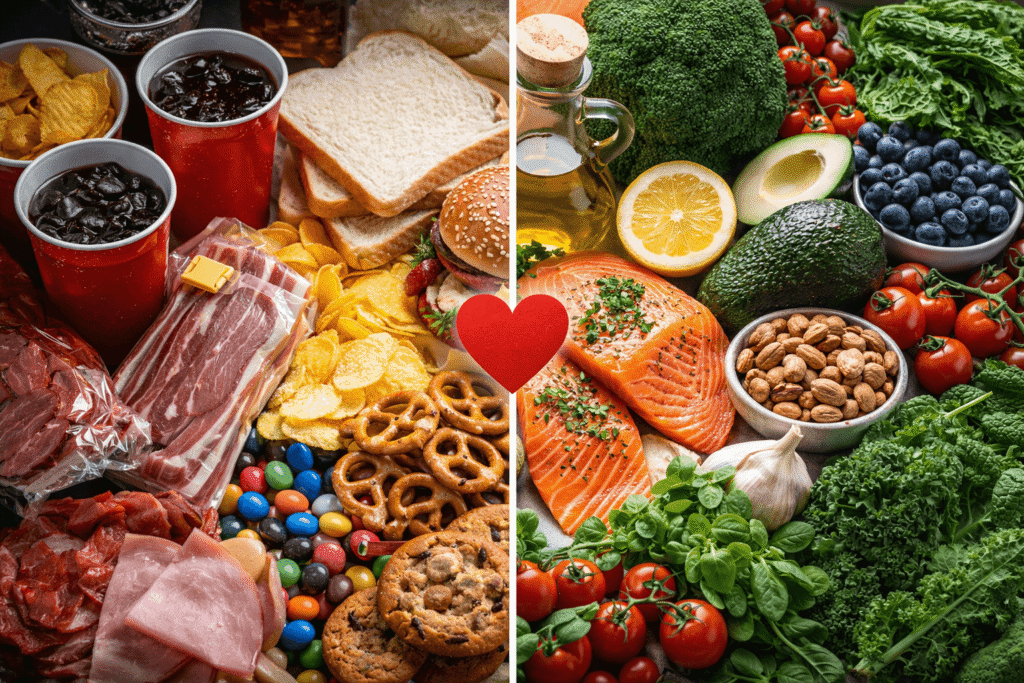
I’ll be honest — I’ve seen more confusion in this area than anywhere else. People demonize eggs while eating packets of namkeen every evening. They avoid ghee while cooking everything in refined sunflower oil that’s been oxidized from repeated heating.
Let me straighten this out:
Trans Fats are your #1 enemy. Vanaspati, dalda, anything that says “partially hydrogenated” on the label. These raise LDL AND lower HDL simultaneously. There’s no safe amount.
Refined carbs spike triglycerides. This is the underappreciated link. If your triglycerides are high, look at your sugar and refined carb intake before blaming dietary fat. White bread, maida-based foods, sugary drinks, packaged snacks — these are the real drivers of high triglycerides in most of the people I’ve advised.
Excess sodium drives blood pressure up. The average Indian eats way more sodium than recommended, largely through pickles, papad, processed foods, and restaurant eating. The target is under 2,300mg per day (ideally 1,500mg if you already have hypertension).
Processed meats — sausages, hot dogs, deli meats — have consistent association with cardiovascular risk. Even independent of their sodium content.
Supplements Worth Considering
In my years of work in the affiliate space, I’ve reviewed hundreds of supplements. Most are noise. Here are the ones with genuine, replicable evidence for heart health:
Omega-3 Fish Oil — particularly useful if you don’t eat fatty fish regularly. Look for products with at least 1,000mg combined EPA+DHA per capsule. Enteric-coated ones are easier on the stomach.
Coenzyme Q10 (CoQ10) — particularly relevant if you’re on statins, which deplete CoQ10. Evidence for direct cardiovascular benefit is growing.
Magnesium Glycinate — deficiency is extremely common and linked to arrhythmia and hypertension. Most people don’t get enough through diet alone.
Berberine — gaining serious traction as a natural LDL-lowering compound. Multiple studies show effects comparable to low-dose statins. Worth discussing with your doctor.
Psyllium Husk (Isabgol) — a soluble fiber supplement that lowers LDL. Already widely used in India. Highly underrated and dirt cheap.
A Sample 1-Day Heart-Healthy Meal Plan
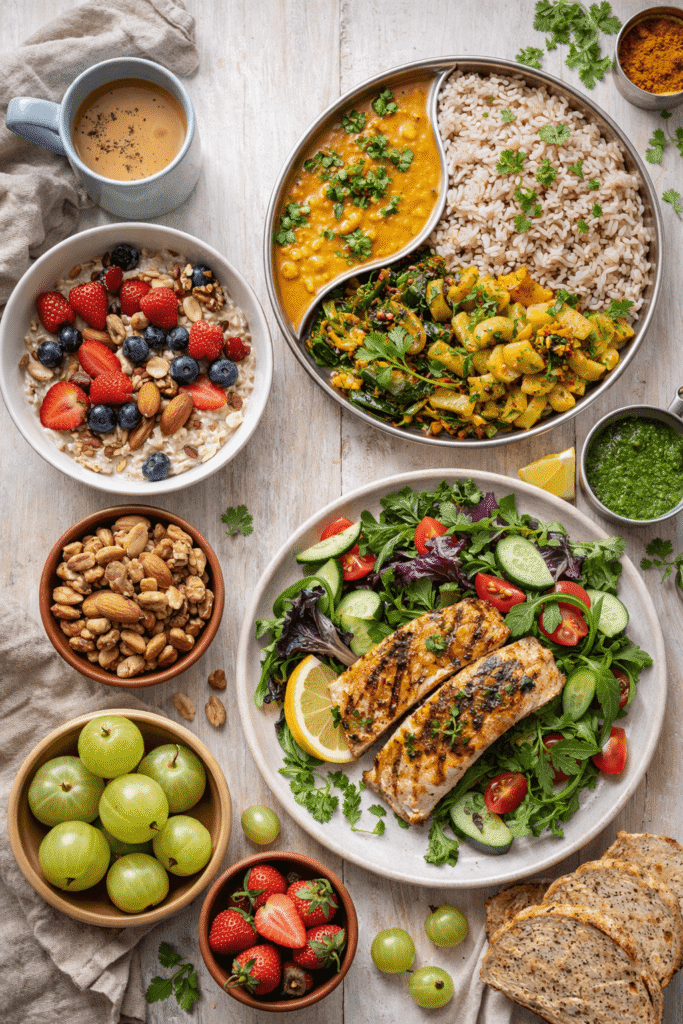
Morning: Steel-cut oats with a tablespoon of flaxseeds, chopped walnuts, fresh berries or banana, and a sprinkle of cinnamon. A glass of amla juice or fresh lime water.
Mid-Morning Snack: A small handful of mixed nuts (walnuts + almonds) or a small cup of sprouts chaat.
Lunch: Brown rice or jowar roti with a lentil dal (masoor or moong), a vegetable sabzi cooked in mustard oil, and a side salad with cucumber, tomato, and a squeeze of lemon.
Evening Snack: A cup of green tea or hibiscus tea. Roasted makhana (fox nuts) or a small piece of dark chocolate (70%+ cocoa).
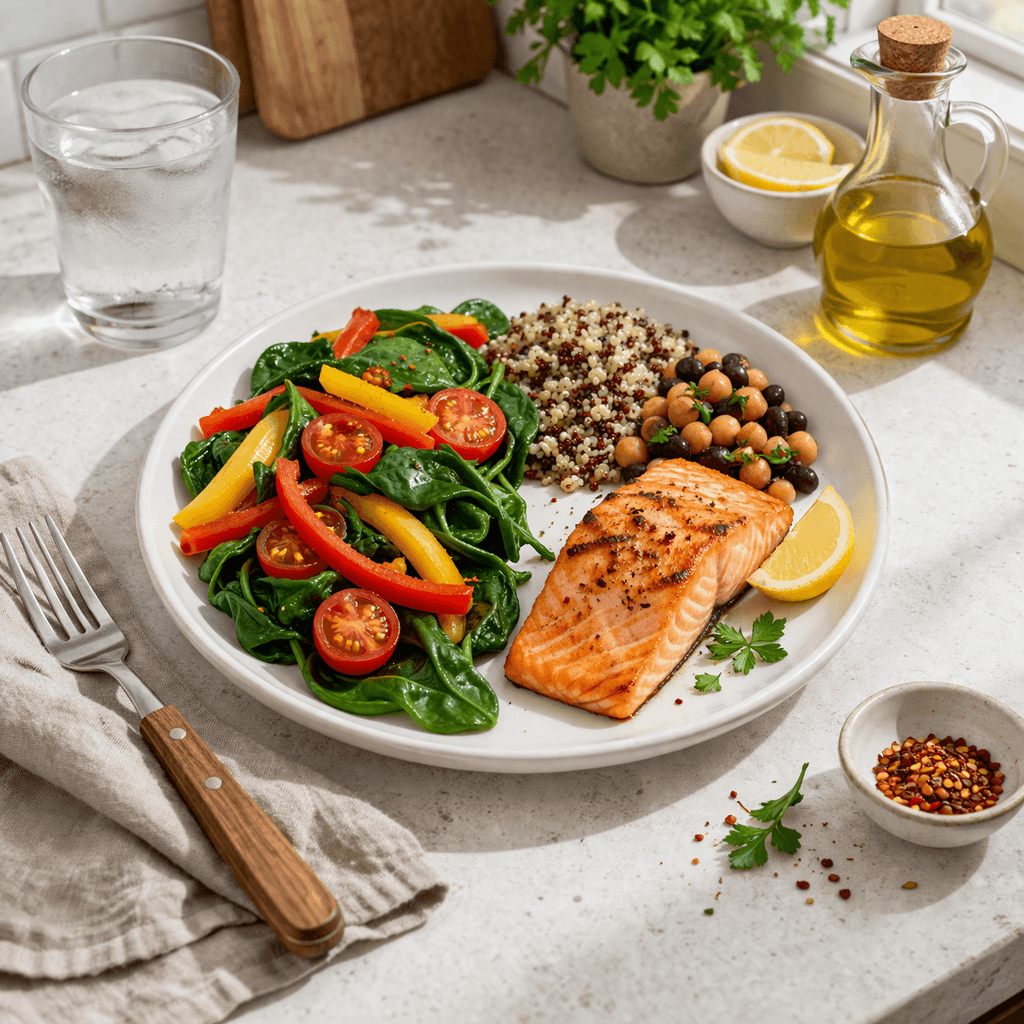
Dinner: Grilled or baked fish (hilsa, rohu, or salmon) with sautéed leafy greens and a small serving of quinoa or barley khichdi. Alternatively, a tofu-based stir fry for vegetarians.
Before Bed (Optional): A small glass of warm turmeric milk with a pinch of black pepper (enhances curcumin absorption).
Lifestyle Factors That Make or Break Your Heart Diet
The nutrition diet for heart health adults doesn’t work in isolation. I’ve seen people eat perfectly and still have cardiovascular issues because they were sleeping 5 hours a night and under chronic stress.
Sleep — 7–9 hours is the target. Sleep deprivation increases cortisol, which drives inflammation and insulin resistance — both cardiovascular risk factors.
Physical activity — Even 30 minutes of brisk walking 5 days a week has meaningful impact on blood pressure and lipid profiles. You don’t need a gym.
Stress management — Chronic stress elevates cortisol and inflammatory markers. Meditation, yoga (pranayama specifically has evidence for blood pressure), or simply taking regular breaks matters.
Alcohol — If you drink, moderation is the operative word. Heavy drinking raises triglycerides and blood pressure. There’s no evidence that you should start drinking for heart health if you don’t already.
FAQ: Nutrition Diet for Heart Health Adults
Q1. Is ghee bad for heart health?Not necessarily. Pure desi ghee in moderate amounts (1–2 teaspoons/day) contains butyrate and fat-soluble vitamins. The evidence is more nuanced than the old “all saturated fat is evil” narrative. The problem is excessive consumption, not ghee itself.
Q2. Can a vegetarian diet be heart-healthy? Absolutely. A well-planned plant-based diet can be extremely heart-protective. Focus on legumes, whole grains, nuts, seeds, and plenty of produce. Supplement with B12 and an algae-based omega-3.
Q3. How quickly can diet changes improve heart markers? You can see measurable improvements in LDL, triglycerides, and blood pressure within 6–12 weeks of consistent dietary changes. Some people see meaningful changes in as little as 4 weeks.
Q4. Is coffee good or bad for heart health? Moderate coffee consumption (2–3 cups/day) is associated with reduced cardiovascular risk in most large population studies. The issue is with adding excessive sugar, cream, or drinking more than 5 cups a day.
Q5. Should heart patients avoid all fat? No. This is outdated thinking. Healthy fats from olive oil, nuts, seeds, avocado, and fatty fish are protective. It’s trans fats and excessive refined carbohydrates that cause the most damage.
Q6. Are eggs safe for adults with heart concerns? For most people, yes — 1 egg per day is considered safe by most cardiology bodies. The cholesterol in eggs has less impact on blood cholesterol in most people compared to saturated and trans fats.
Q7. What’s the single best dietary change for heart health? If I had to pick one: eliminate ultra-processed foods and trans fats. It’s not glamorous advice, but it’s the move with the highest return for most people.
Final Thoughts: Small Consistent Choices Win
After years in this space, I’ll tell you the truth about what I’ve observed: the people who make dramatic overnight changes usually relapse. The people who make small, sustainable swaps — switch from white to brown rice, add a handful of walnuts to breakfast, replace one sugary drink with water, cook at home three more nights a week — those are the people whose lipid panels genuinely improve over months and years.
A nutrition diet for heart health adults isn’t a 30-day challenge. It’s a framework you build your life around. Start with one change this week. Then add another. Give it 90 days and get your bloodwork done. The numbers don’t lie.
Your heart has been working for you every second of your life without a break. It deserves the effort.
Disclaimer: This article is for informational purposes only and does not constitute medical advice. Please consult your doctor or a qualified cardiologist before making significant changes to your diet, especially if you have an existing heart condition or are on medication.