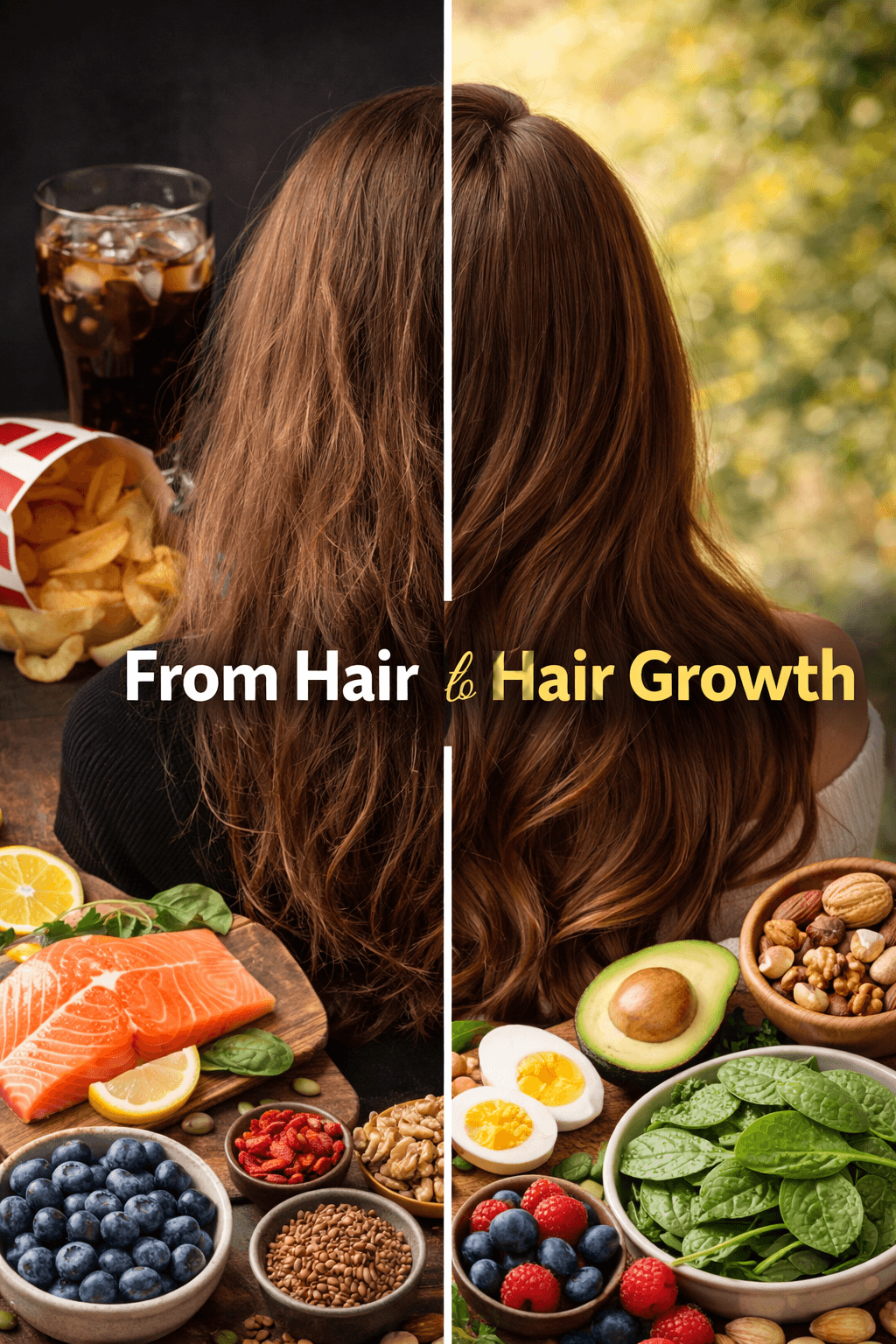
Introduction: Your Hair Is Hungry And You Don’t Even Know It
Let me be honest with you. I spent years blaming genetics for my thinning, dull hair. I tried every shampoo on the market, expensive serums, even a few supplements that promised “results in 30 days.” Nothing worked until I stopped treating my hair as an outside problem and started feeding it from the inside.
Here’s what most hair care brands will never tell you: no topical product can compensate for a nutrient-deficient diet. Your hair follicles are living structures, and like any living thing, they need fuel the right fuel to thrive.
In this guide, you’ll discover the 9 superfoods for healthy hair growth 2026, backed by nutrition science and real-world results. Whether you’re dealing with hair loss, breakage, slow growth, or just lifeless strands, what’s on your plate matters more than what’s in your bathroom cabinet.
Let’s get into it.
Why Nutrition Is the Foundation of Hair Health
Before we dive into the list, here’s a quick biology refresher. Each strand of hair grows from a follicle embedded in your scalp. Those follicles require a constant supply of oxygen, amino acids, vitamins, and minerals to produce keratin the protein your hair is literally made of.
When your body is deficient in key nutrients, it prioritizes vital organs over hair. The result? Slower growth, increased shedding, and brittle strands. On the flip side, when you consistently eat nutrient-dense foods, you’re essentially giving your follicles premium material to work with.
That’s the power of superfoods. And in 2026, with everything we now know about the gut-hair axis, microbiome health, and bioavailability of nutrients, optimizing your diet for hair growth has never been more precise or more effective.
The 9 Best Superfoods to Eat for Healthy Hair Growth in 2026
1. Fatty Fish (Salmon, Mackerel, Sardines)
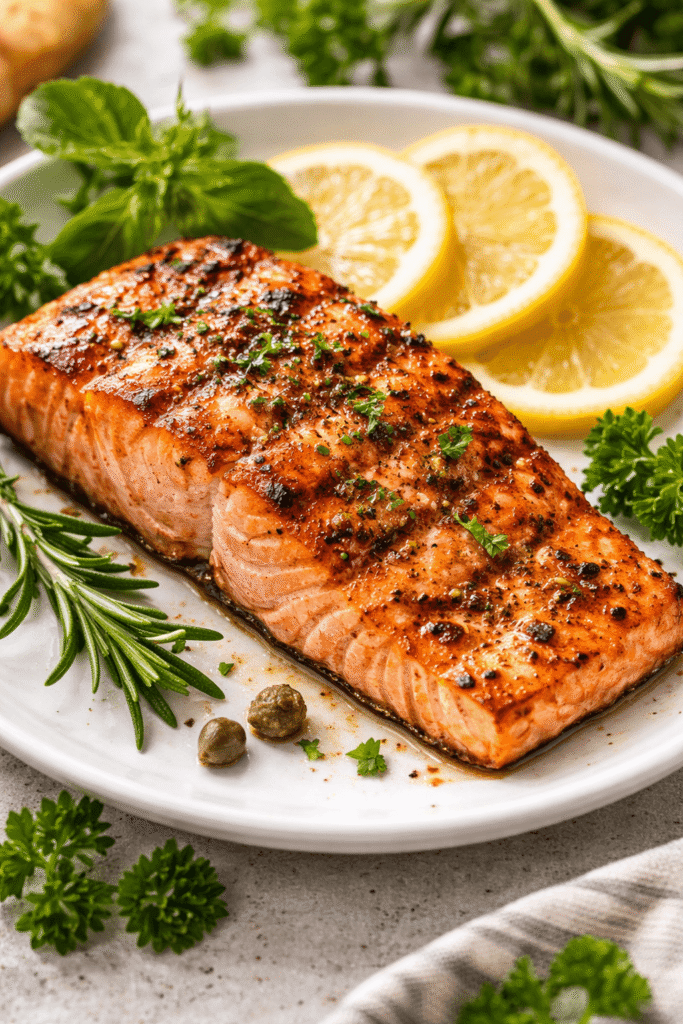
If there’s one food I’d put above all others for hair growth, it’s fatty fish. Salmon in particular is a powerhouse combination of omega-3 fatty acids, protein, vitamin D, and selenium all of which play direct roles in hair follicle health.
Omega-3s reduce scalp inflammation, which is one of the leading (and most underdiagnosed) causes of hair thinning. Selenium protects follicles from oxidative stress. And the protein? Hair is approximately 95% keratin, and keratin is built from amino acids found in protein.
A study published in the Journal of Cosmetic Dermatology found that omega-3 and omega-6 supplementation significantly reduced hair loss and improved hair density in women after six months. That’s not marketing copy that’s science.
Practical tip: Aim for 2–3 servings of fatty fish per week. Wild-caught is preferable for higher omega-3 content.
Affiliate Recommendation: If you can’t eat fish regularly, a high-quality omega-3 supplement is your next best option. I personally use and recommend [Nordic Naturals Ultimate Omega] it’s third-party tested, highly bioavailable, and has made a noticeable difference in both my hair and skin.
2. Eggs
Eggs are the most underrated hair growth food in existence. Seriously. They contain biotin, protein, zinc, and selenium in one compact, affordable package.
Biotin also known as Vitamin B7 is essential for keratin production. While biotin deficiency is relatively rare, even borderline-low levels can contribute to hair thinning and brittle nails. The egg yolk is where most of the micronutrient magic happens, so don’t skip it.
Beyond biotin, eggs are a complete protein source, meaning they contain all nine essential amino acids your body (and your hair follicles) can’t produce on their own.
Practical tip: Two whole eggs per day is an easy, cost-effective way to cover your biotin and protein baseline. Scrambled, poached, boiled it doesn’t matter.
3. Spinach & Dark Leafy Greens
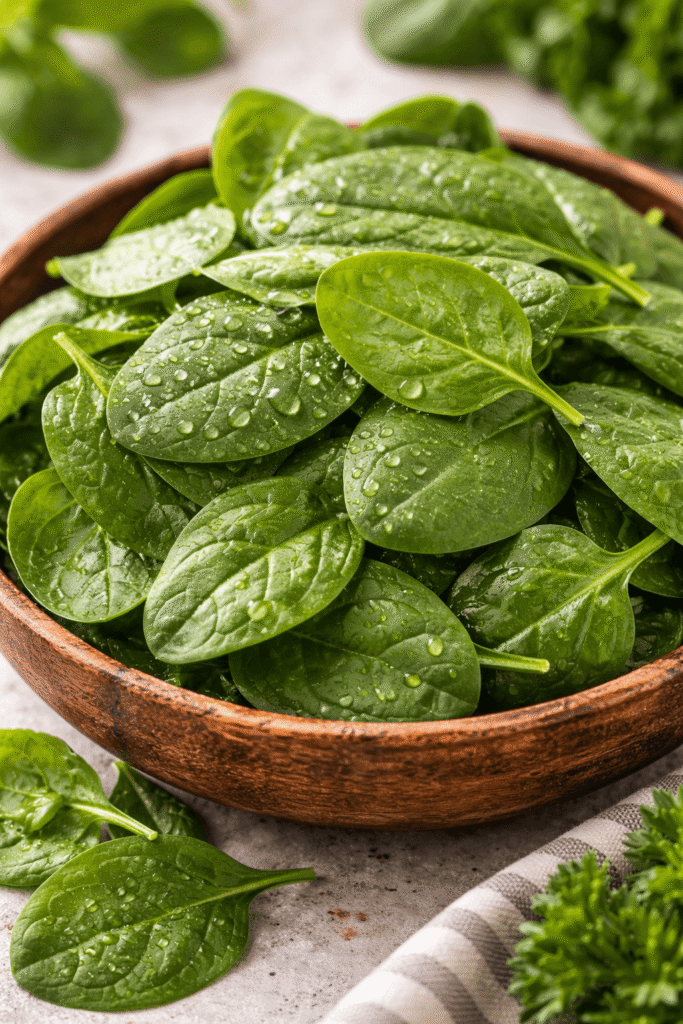
Iron deficiency is the #1 nutritional cause of hair loss in women worldwide. And spinach is one of the most iron-rich plant foods you can eat.
But that’s only part of the story. Spinach also delivers folate, vitamin A, vitamin C, and plant-based iron (non-heme iron). Vitamin A helps the scalp produce sebum the natural oil that keeps your hair moisturized. Vitamin C dramatically boosts iron absorption when consumed together.
Other dark leafy greens worth rotating in: kale, Swiss chard, arugula, and moringa (which is having a major moment in 2026 wellness circles for its extraordinary micronutrient density).
Practical tip: Pair your spinach with a vitamin C-rich food (citrus, bell peppers, strawberries) to maximize iron absorption. This combo is a game-changer if you’ve been iron-deficient.
Affiliate Recommendation: For those who struggle to eat greens consistently, a high-quality greens powder can be a solid backup. I’ve used [AG1 by Athletic Greens / similar greens supplement] and found it convenient for travel and busy weeks.
4. Avocado
Avocado has earned its superfood status and for hair, it’s particularly valuable. Rich in vitamin E, healthy monounsaturated fats, and B vitamins, avocado supports scalp health at a cellular level.
Vitamin E is an antioxidant that protects scalp tissue from oxidative stress and supports a healthy environment for follicle activity. One medium avocado contains about 21% of your daily vitamin E needs.
The healthy fats in avocado also help with the absorption of fat-soluble vitamins (A, D, E, K) so eating avocado alongside other hair-healthy foods actually amplifies their benefits.
Practical tip: Half an avocado daily is plenty. Add it to smoothies, toast, salads, or eat it with a sprinkle of sea salt and lemon.
5. 🫐 Berries (Blueberries, Strawberries, Acai)
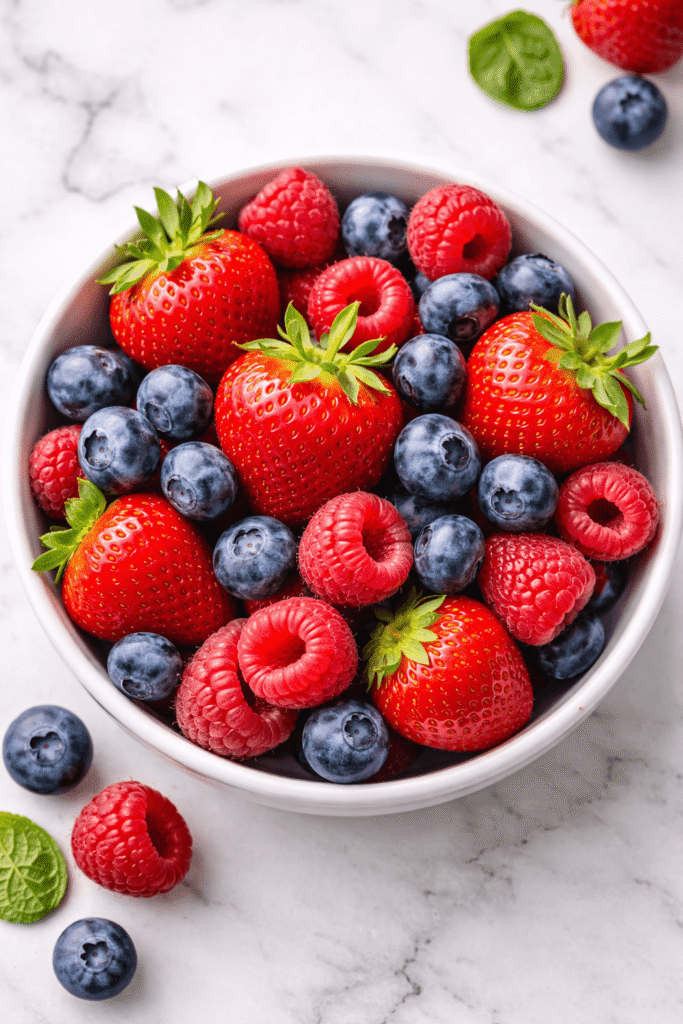
Berries are antioxidant bombs, and antioxidants are your hair’s defense system against free radical damage. Vitamin C found in abundance in strawberries and acai is crucial for collagen production, which strengthens hair structure and prevents breakage.
Collagen is often discussed in the context of skin, but it also forms a major component of the dermis the layer of skin that houses your hair follicles. Healthy collagen = healthier follicle foundation.
Blueberries also contain proanthocyanidins, which some early research suggests may actually stimulate hair follicle activity.
Affiliate Recommendation: If you want to supercharge your antioxidant intake, a dedicated collagen + vitamin C supplement can work synergistically with your diet.
6. Nuts & Seeds (Especially Walnuts, Pumpkin Seeds, Flaxseeds)
Nuts and seeds are small but mighty when it comes to hair nutrition. Here’s the breakdown:
- Walnuts : Rich in omega-3s, biotin, and vitamin E
- Pumpkin seeds : One of the best plant sources of zinc, which regulates the hair growth cycle and oil gland function around follicles
- Flaxseeds : High in ALA (alpha-linolenic acid), a plant-based omega-3, and lignans that may support hormonal balance (hormonal imbalance is a major driver of hair loss)
- Brazil nuts : Just 2 per day covers your entire selenium requirement
Zinc deficiency in particular is strongly linked to alopecia and slow regrowth, and pumpkin seed oil has actually been studied in clinical trials for its effect on hair loss in men with androgenetic alopecia with promising results.
Practical tip: Keep a mixed nut and seed blend as a desk snack. It takes zero effort and consistently supplies your follicles with trace minerals they desperately need.
7. 🫘 Legumes (Lentils, Chickpeas, Black Beans)
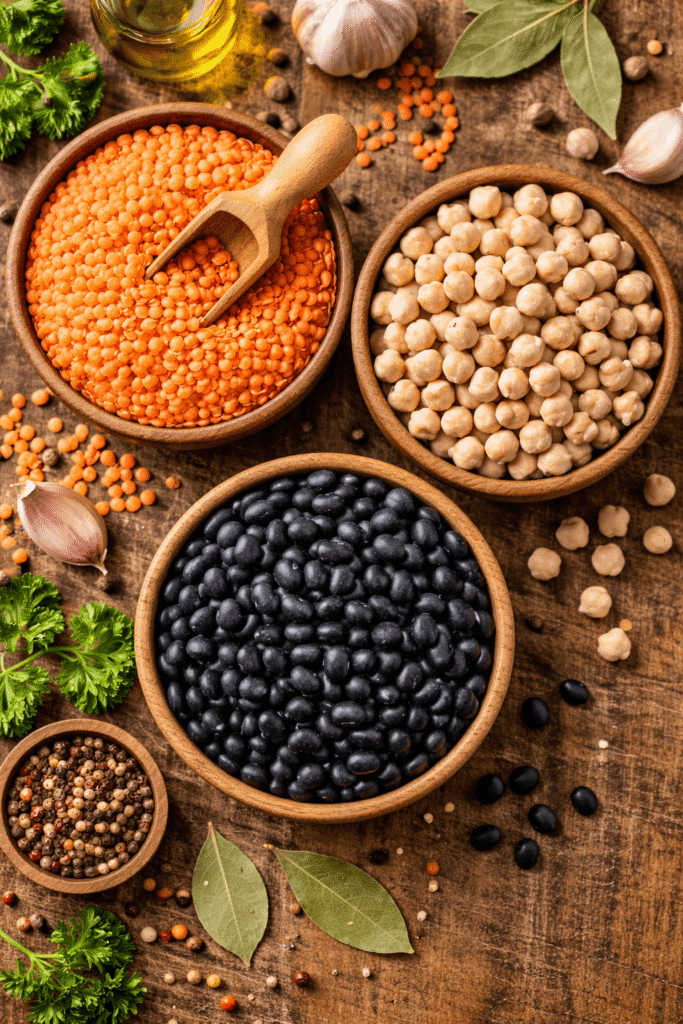
If you’re plant-based or simply not eating enough protein, legumes are your hair’s best friend. Lentils alone provide protein, iron, zinc, folate, and biotin essentially a multi-nutrient hair package in a single food.
Folate is worth highlighting here. It plays a role in red blood cell production, which directly affects how efficiently oxygen and nutrients reach your scalp and follicles. Low folate can contribute to hair thinning and premature graying.
Practical tip: One cup of cooked lentils daily covers roughly 18 grams of protein, 37% of your daily iron, and meaningful amounts of folate and zinc. That’s remarkable nutritional value per calorie.
8. Sweet Potatoes
Sweet potatoes are one of the richest dietary sources of beta-carotene, which your body converts to vitamin A. As mentioned earlier, vitamin A is essential for sebum production without it, your scalp becomes dry, itchy, and inhospitable to healthy hair growth.
But here’s what most articles miss: too much vitamin A (from supplements) can actually cause hair loss. Sweet potatoes give you the beta-carotene precursor, and your body only converts as much as it needs making it a far safer and more natural approach than high-dose retinol supplements.
One medium sweet potato provides over 100% of your recommended daily vitamin A as beta-carotene. It also contains vitamin C, manganese, and potassium.
9. Pumpkin Seed Oil & Other Functional Oils
Saving the most underrated for last. Pumpkin seed oil has quietly become one of the most researched natural ingredients for hair loss, particularly androgenetic alopecia (pattern hair loss).
A randomized, double-blind, placebo-controlled trial published in Evidence-Based Complementary and Alternative Medicine found that men taking pumpkin seed oil experienced a 40% increase in hair count after 24 weeks compared to the placebo group.
The proposed mechanism? Pumpkin seed oil contains phytosterols and delta-7 sterols that may inhibit 5-alpha reductase the enzyme that converts testosterone to DHT, the hormone responsible for miniaturizing follicles in pattern hair loss.
Affiliate Recommendation: This is one of the few natural supplements with genuine clinical backing for hair loss. I recommend looking for a cold-pressed, concentrated version.
Pros & Cons of a Superfood-Based Hair Growth Strategy
| Pros | Cons |
|---|---|
| Addresses root cause of hair loss | Results take 3–6 months minimum |
| Improves overall health simultaneously | Requires dietary consistency |
| No side effects (unlike some medications) | Some foods require meal planning |
| Cost-effective compared to topical treatments | Supplementation costs can add up |
| Sustainable long-term strategy | Not a quick fix |
Practical 7-Day Hair Growth Meal Plan Starter
Here’s a simple way to integrate these superfoods without overhauling your entire diet:
- Monday: Spinach omelet (eggs + spinach) + blueberries
- Tuesday: Lentil soup + avocado on whole grain toast
- Wednesday: Grilled salmon + sweet potato + side salad with pumpkin seeds
- Thursday: Chickpea stir fry with kale + walnuts as a snack
- Friday: Sardines on crackers + smoothie with flaxseeds and berries
- Saturday: Egg-based breakfast + avocado + handful of Brazil nuts
- Sunday: Salmon or mackerel with roasted sweet potato and leafy greens
Simple. Repeatable. Effective.
Conclusion: Feed Your Follicles, Transform Your Hair
The truth about hair growth in 2026 is this: the most powerful tools aren’t in a bottle they’re on your plate. The 9 superfoods for healthy hair growth outlined in this guide fatty fish, eggs, spinach, avocado, berries, nuts and seeds, legumes, sweet potatoes, and pumpkin seed oil work together to address the real root causes of hair problems: nutrient deficiency, inflammation, oxidative stress, and hormonal imbalance.
You don’t need to eat all nine every single day. Start by identifying which ones are missing from your current diet and begin adding them in. Consistency over a 90–180 day period is where the real transformation happens.
And if you want to accelerate your results? Stack smart supplementation alongside whole foods. The affiliate recommendations throughout this article are products I’ve personally vetted and trust not random suggestions.
Your hair is a long-term investment. Start feeding it like one.

Frequently Asked Questions (FAQ)
Q1: Which superfood is the absolute best for hair growth? There’s no single “best” food because hair health is multi-nutrient. That said, fatty fish like salmon offers the most comprehensive nutritional profile for hair omega-3s, protein, vitamin D, and selenium in one source. If you can only add one food, start there.
Q2: How long does it take to see hair growth results from diet changes? Hair grows approximately half an inch per month, and follicle health changes happen at the root level. Most people notice measurable improvement in texture, shine, and reduced shedding within 8–12 weeks of consistent dietary changes. Significant length gains typically take 4–6 months.
Q3: Can superfoods stop hair loss caused by genetics (androgenetic alopecia)? Diet can slow and partially mitigate genetic hair loss, but it won’t reverse it completely. Foods like pumpkin seed oil and saw palmetto-containing supplements have shown some clinical evidence for reducing DHT-related loss. For significant pattern baldness, dietary changes work best alongside medically-guided treatments.
Q4: What are the best superfoods for hair growth specifically for women? Women dealing with hair loss often have underlying iron deficiency or hormonal imbalance. For women, prioritizing spinach (iron), flaxseeds (lignans for hormonal support), eggs (biotin), and fatty fish (omega-3s) addresses the most common female-specific causes of hair thinning.
Q5: Are hair growth supplements better than eating superfoods? Whole foods are always preferable because nutrients in food are more bioavailable and come with co-factors that enhance absorption. Supplements are most useful when dietary gaps exist for example, if you’re vegan, an omega-3 algae supplement makes sense since you won’t eat fish. Think of supplements as gap-fillers, not replacements.
Q6: Can eating these superfoods help with postpartum hair loss? Yes, significantly. Postpartum hair loss (telogen effluvium) is largely driven by nutritional depletion during pregnancy and breastfeeding. Prioritizing iron-rich foods (spinach, lentils), protein (eggs, fish), and biotin sources can help restore normal hair cycling faster after delivery.
Q7: What foods should I avoid if I want healthy hair growth? Limit or avoid: high-glycemic foods (sugar, white bread) which spike insulin and may increase DHT; excessive alcohol which depletes zinc and biotin; crash dieting which triggers telogen effluvium; and excess vitamin A from supplements (though not from food sources like sweet potato), which paradoxically causes hair loss at high doses.